Emotional First Aid: Simple Practices for Everyday Emotional Health
25 June 2026
Let’s face it—we all get bumps and bruises in life. Not always the physical kind, but those emotional scrapes that can sting just as bad. Whether it's a breakup, an embarrassing moment at work, or just that nagging voice of self-doubt, emotional pain is part of being human.
But here’s the problem: we’ve been trained to put a Band-Aid on a paper cut, but when it comes to emotional wounds? We tend to bottle it up or brush it off. That doesn't cut it anymore. Just like physical health, emotional health needs regular care. Enter emotional first aid—your personal toolkit for handling life’s psychological curveballs.
In this guide, we're diving into simple, science-backed, everyday practices that can help you take control of your emotional well-being and bounce back stronger. So grab your metaphorical first aid kit, and let’s patch things up.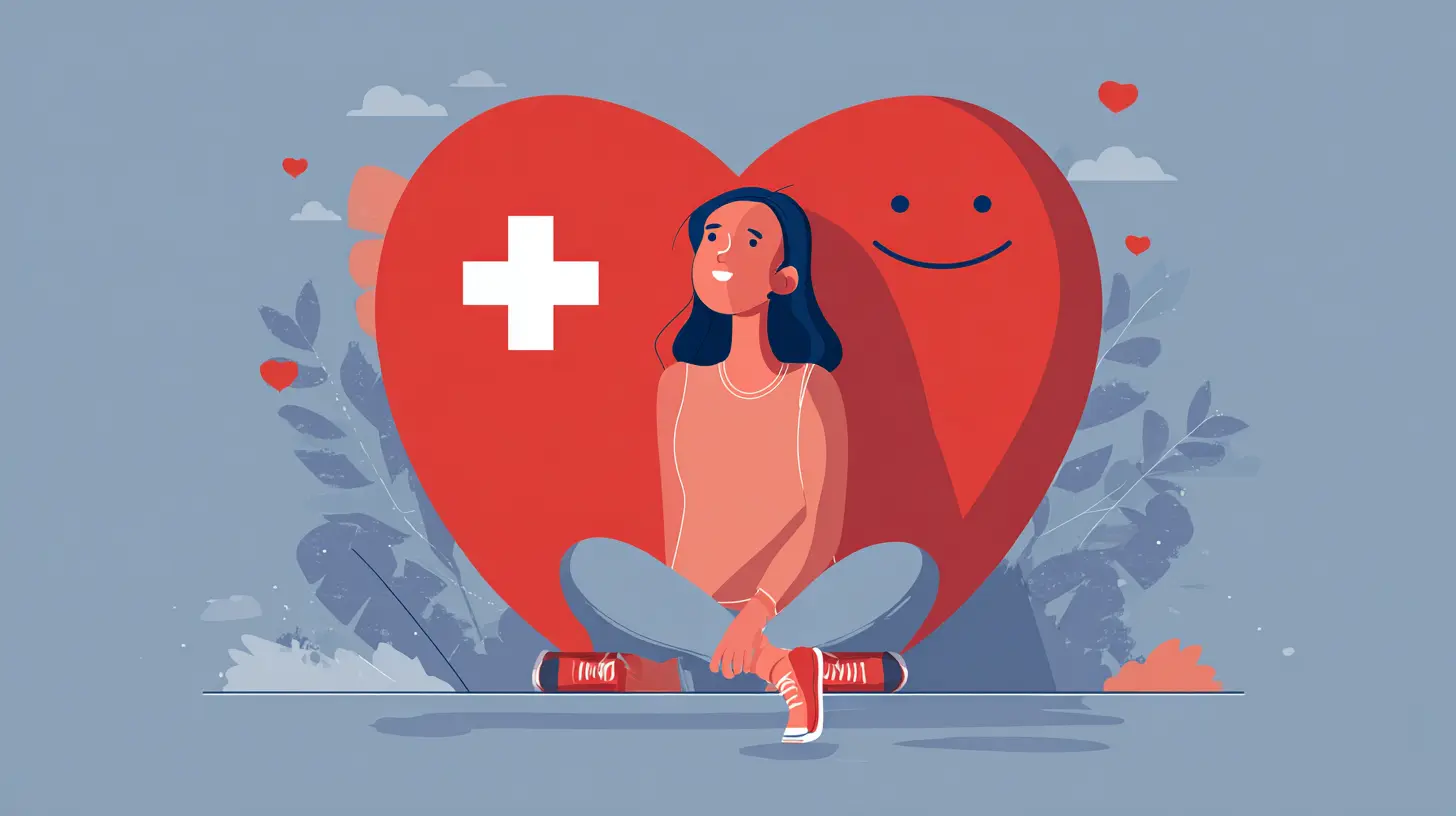
What the Heck Is Emotional First Aid?
Ever twisted your ankle and had to rest, ice it, compress it, and elevate it? That’s R.I.C.E—standard physical first aid. Emotional first aid isn’t any different—it’s the process of recognizing emotional pain and taking proactive steps to treat it before it becomes something more serious like chronic anxiety or depression.Think of it as hygiene for your mind. We brush our teeth daily to prevent cavities, right? Emotional first aid is brushing your brain to keep emotional plaque from building up.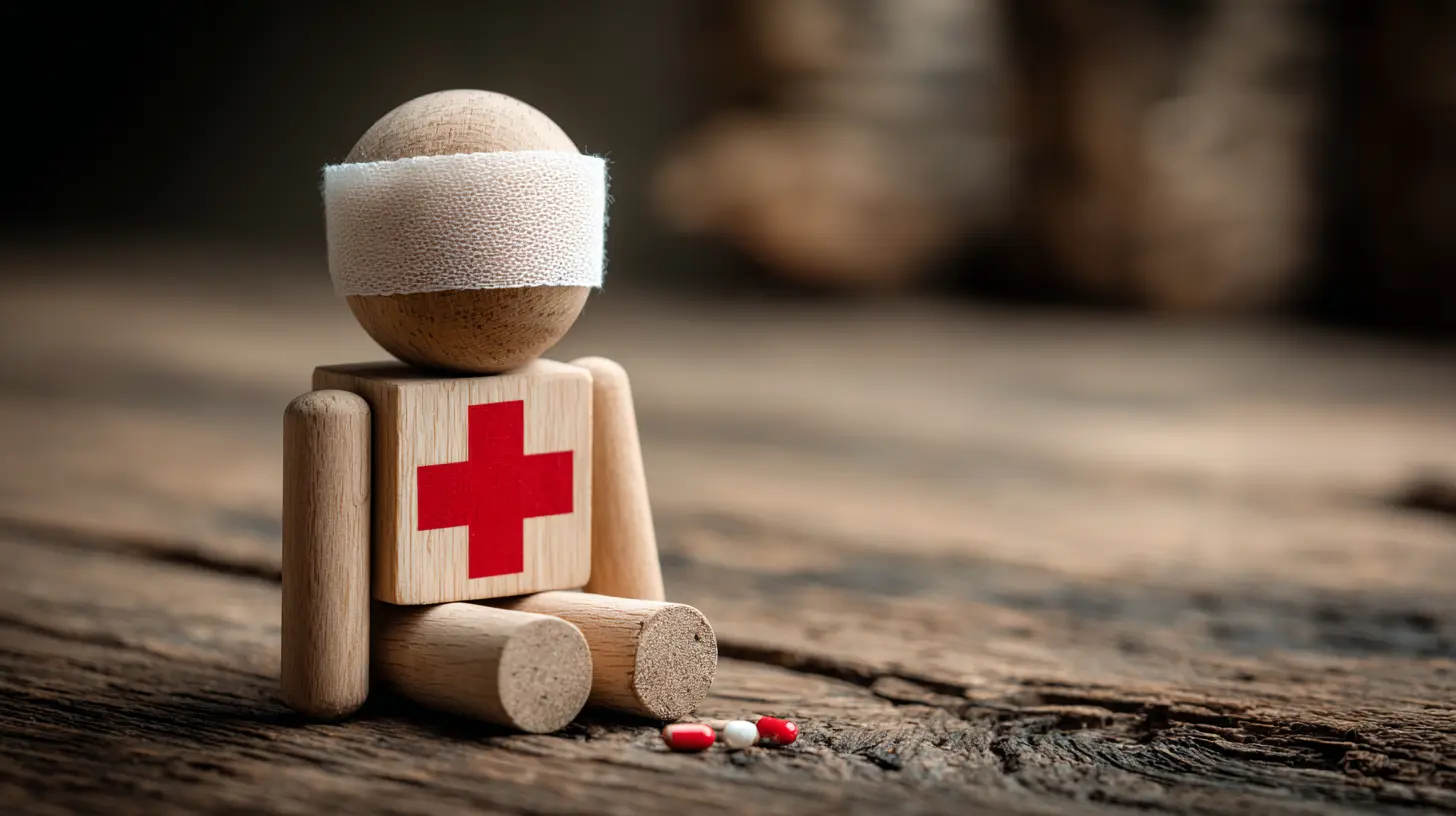
Why We Suck at Taking Care of Our Emotional Health
Let’s be real. If someone told you they broke their arm, you wouldn’t say, “Just get over it.” But when someone’s emotionally hurt, that’s often the response they get—sometimes even from themselves.We live in a culture that praises mental toughness and undervalues vulnerability. Crying is seen as weakness. Talking about your feelings? Taboo. But ignoring emotional pain doesn’t make it go away—it makes it worse. Emotional neglect is like ignoring a ticking time bomb.
The Danger of Untreated Emotional Wounds
Unattended emotional wounds don’t just sit quietly in the background. They morph. They cut deeper. And they often show up in sneaky ways, like:- Chronic stress or burnout
- Low self-esteem
- Difficulty forming or maintaining relationships
- Anxiety and depression
- Unhealthy habits like overeating, isolation, or substance abuse
Your emotional injuries are just as deserving of attention as the physical ones. Period.
Spotting the Signs: When You Need Emotional First Aid
So, how do you know when to grab your emotional first aid kit? Here are some red flags:- You’ve been replaying a mistake over and over again like a bad remix
- A rejection or failure still stings days (or weeks) later
- You catch yourself isolating when you’re down
- You’re overwhelmed and don’t know where to even start
- Negative self-talk has become your internal narrator
Recognizing the signs is step one. Step two? Actually doing something about it.
Simple Practices That Act Like Emotional Band-Aids
Let’s get practical. You don’t need a therapy degree or a shelf of self-help books to take care of your emotional health. These simple, tried-and-true practices are your go-to emotional first aid techniques.1. Name It to Tame It
Ever feel better just after saying out loud, “I’m stressed” or “I feel like crap”? That’s not just drama—it’s science. Labeling emotions reduces their intensity by engaging the rational parts of your brain.🧠 Pro Tip: Practice emotional vocabulary. Instead of saying “I feel bad,” be specific: “I’m frustrated because I feel ignored.” The more precise you are, the more power you have over the emotion.
2. Treat Yourself Like You’d Treat a Friend
Imagine your best friend just got dumped. Would you say, “Well, maybe they weren’t good enough anyway”? Of course not! You’d offer compassion and support.So why do we beat ourselves up when we’re hurting? Practicing self-compassion is one of the fastest ways to ease emotional pain.
🧠 Pro Tip: Write a letter to yourself as if you were writing to a friend going through the same struggle. Don’t filter it. Just kindness, honesty, and encouragement.
3. Fight the Negativity Bias
Our brains are wired like Velcro for bad news and Teflon for the good stuff. It's a survival thing—but emotional first aid means challenging that bias.🧠 Pro Tip: Create a “Victory Jar.” Every time something good happens (no matter how tiny), jot it down and toss it in. When you're feeling low, dig in and remind yourself of the wins.
4. Reframe the Story
Our minds love to narrate stories. Problem is, those stories are often one-sided and overly dramatic.“I failed that interview because I suck.” No. Maybe it just wasn’t a good fit.
Reframing helps you look at the same situation from a healthier perspective.
🧠 Pro Tip: Ask yourself: “What would a neutral observer say about this?” or “What other explanation could there be?”
5. Set Boundaries Like a Boss
Emotional pain often comes from letting people walk all over our feelings. Boundaries are not walls—they’re fences with gates. They let the good stuff in and keep the crappy stuff out.🧠 Pro Tip: Practice saying “no” without apologies or explanations. You don’t owe anyone your burnout.
6. Get Moving—Literally
Your mind and body are BFFs. What you do with your body affects how your brain feels. Exercise boosts mood, reduces stress, and gives your brain a chance to reset.🧠 Pro Tip: You don't need a gym membership. A 10-minute walk outside can be a game-changer.
7. Write It Out
Journaling is emotional first aid you can do anywhere. When you write, you untangle the emotional mess in your mind and pin down what’s really bothering you.🧠 Pro Tip: Try the “brain dump” method. Set a timer for 10 minutes and write whatever comes out—no grammar police allowed.
8. Social Connection Is Like Oxygen
Isolation is emotional quicksand. The more you sink into it, the harder it gets to climb out. Staying connected is key, even if it’s just a “Hey, how are you?” text.🧠 Pro Tip: Identify your “emotional 911s”—the people you can call when you’re really down. Save their contact info under an emoji so you don’t hesitate to reach out.
The Emotional First Aid Kit: Essentials to Keep Handy
Want to build your own emotional first aid kit? Here are some tools to stash for a rainy day:- Comfort playlist – Songs that light you up or calm you down
- Feel-good file – Screenshots of compliments, thank-you notes, or good memories
- A grounding object – Something small that reminds you of who you are
- A list of SOS coping tools – Think: deep breathing, calling a friend, journaling, going outside
Preparing ahead makes it easier to act when the emotional storm hits.
When to Call in Reinforcements
Emotional first aid is powerful, but it’s not a replacement for professional help. If you’ve been feeling off for weeks, if daily tasks feel overwhelming, or you’re stuck in a loop of sadness, anxiety, or hopelessness—it’s time to bring in the pros.Seeing a therapist isn’t weakness. It’s taking your mental health as seriously as your physical health. And you deserve that level of care.
Practicing Emotional First Aid Isn’t Selfish—It’s Essential
Taking care of your emotional health isn’t self-indulgent. It’s survival. It’s resilience. And it’s a radical act of self-respect in a world that often tells us to “get over it” and keep pushing forward.You wouldn’t keep running on a sprained ankle, right? So why keep pushing through emotional pain without stopping to heal?
The truth is, emotional wounds don’t make you weak. Ignoring them does.
Final Thoughts: Build the Habit, Not Just the Reaction
Here’s your takeaway: emotional first aid isn’t just for emergencies. It’s a habit. A mindset. A small but powerful set of daily and weekly practices that strengthen your emotional immune system before life knocks you down.Start small. Pick one technique and try it this week. Not when you’re having a crisis—now. Right now.
Because caring for your emotional health today is the best investment in a stronger, more balanced you tomorrow.
You’ve got this.
all images in this post were generated using AI tools
Category:
Emotional Well BeingAuthor:

Eliana Burton
Discussion
rate this article
1 comments
Etta McClintock
Great insights! Simple practices can make a big difference.
July 3, 2026 at 3:50 PM
Eliana Burton
Thanks for your kind words! I'm glad you found the practices helpful.