The Psychology Behind Body Image and Self-Worth
21 May 2026
Have you ever looked in the mirror and felt dissatisfied with what you saw? You're not alone. Body image and self-worth are deeply intertwined aspects of human psychology, shaping how we see ourselves and how we feel about our value in the world.
The way we perceive our bodies isn't just about appearance; it's tied to emotions, experiences, and societal influences. In this article, we’ll unpack the psychology behind body image and self-worth, understand where negative perceptions come from, and explore ways to build a healthier relationship with ourselves.
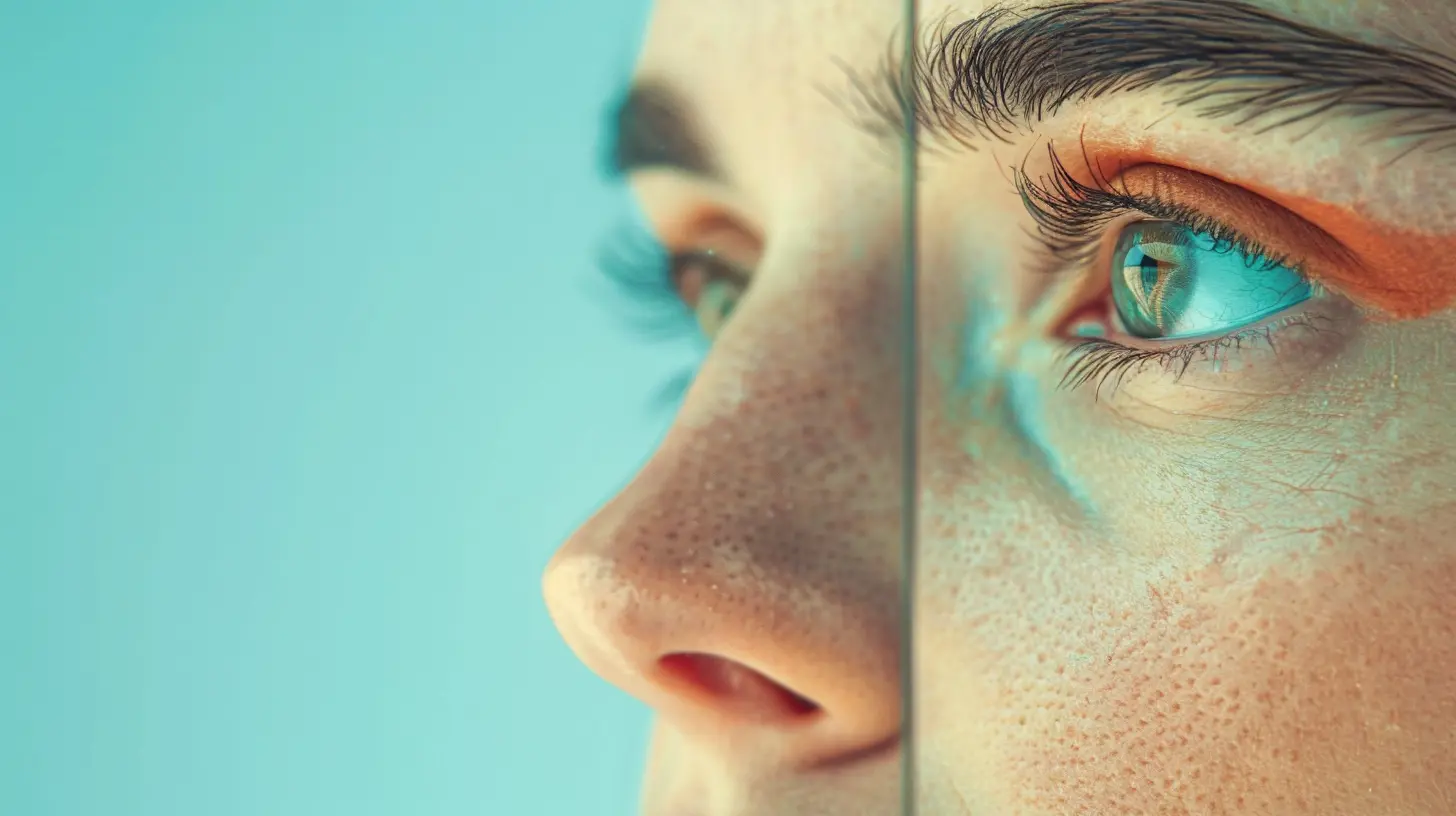
What is Body Image?
Body image refers to how we see, think, and feel about our physical selves. It’s not just about what we look like but also about how we believe we look. This perception is influenced by personal experiences, cultural messages, and the expectations we absorb from the world around us.There are generally four aspects to body image:
1. Perceptual – How you see yourself (which may not always match reality).
2. Affective – How you feel about the way you look.
3. Cognitive – What you think about your appearance.
4. Behavioral – The actions you take as a result of your body image (e.g., dieting, excessive exercising, or avoiding social events).
When a person has a positive body image, they accept and appreciate their body as it is. But when body image becomes distorted or negative, it can seriously impact self-worth and mental health.
How Body Image Affects Self-Worth
Self-worth is the value and respect we assign to ourselves. While self-worth should ideally come from intrinsic qualities—like kindness, intelligence, or creativity—many people tie their self-esteem directly to their physical appearance.When body image is negative, self-worth often takes a hit. Thoughts like "I’d be happier if I lost weight" or "No one will love me if I don’t look a certain way" can create a toxic mindset. This can lead to:
- Low Self-Esteem – Feeling inadequate compared to unrealistic beauty standards.
- Anxiety and Depression – Constantly worrying about appearance or feeling like you’re not good enough.
- Disordered Eating – Engaging in restrictive diets, binge eating, or excessive exercise in an attempt to "fix" oneself.
- Social Withdrawal – Isolating yourself because of self-consciousness over your looks.
The truth is, your worth isn’t measured by your waistline or skin texture. Yet, the pressure to meet unrealistic beauty ideals can be overwhelming.
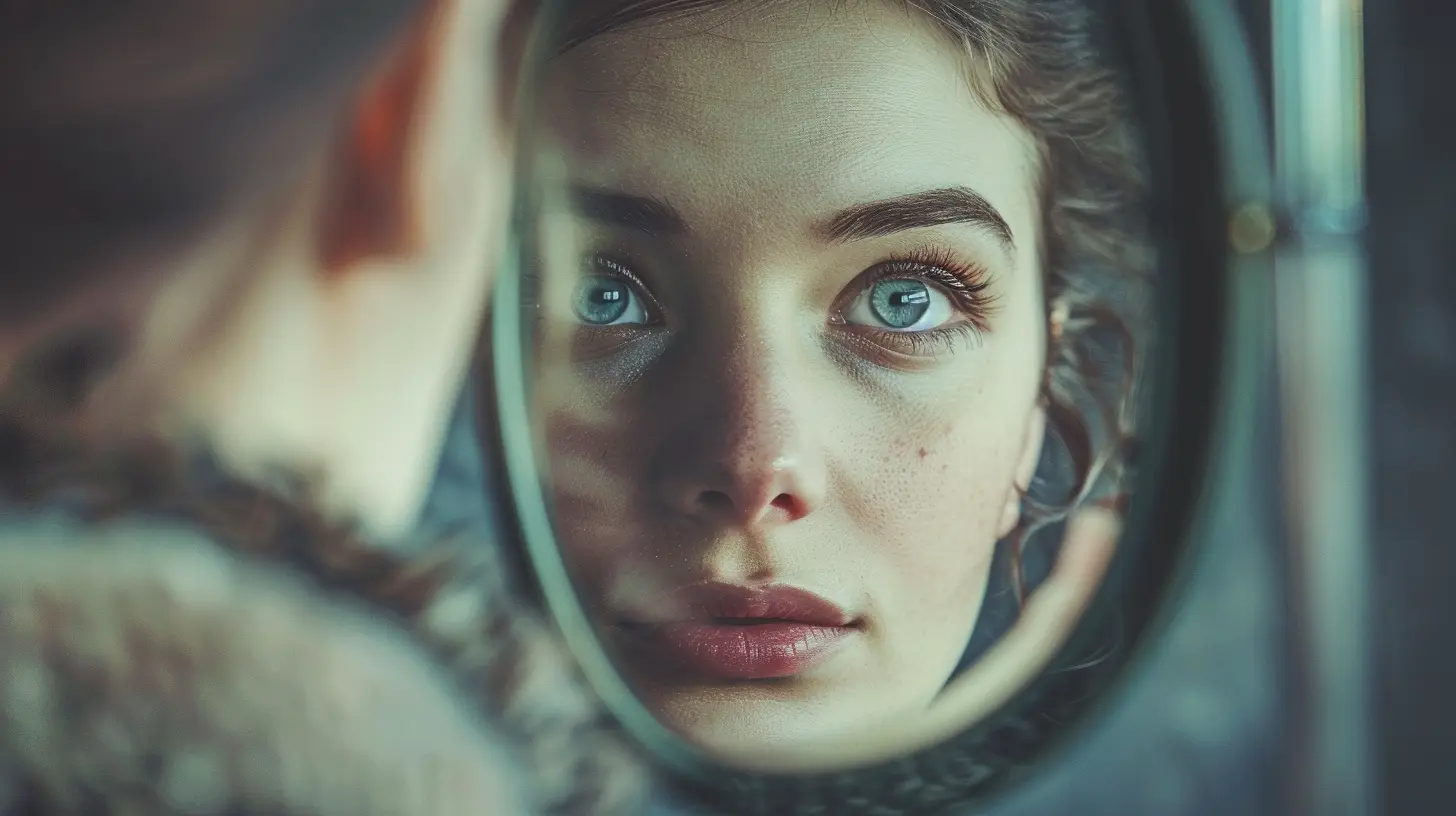
Where Do Negative Body Image Issues Come From?
1. Societal Standards and Media Influence
The media bombards us with airbrushed, filtered, and often impossible beauty ideals. Social media platforms fill our feeds with seemingly "perfect" bodies, setting unrealistic expectations. When people constantly compare themselves to these altered images, dissatisfaction with one's own appearance skyrockets.2. Childhood and Upbringing
Believe it or not, body image issues often start early. Comments from parents, peers, or even teachers—whether intentional or not—can plant the seeds of insecurity. A simple remark like "Should you be eating that?" can stay with someone for years.3. Peer Pressure
Friends and social circles influence body perception more than we realize. If you're surrounded by people who obsess over diets, weight, and appearance, it's easy to adopt the same mindset.4. Cultural and Gender Expectations
Different cultures have varying standards of beauty, and these can shape how individuals perceive themselves. Additionally, men and women experience body image issues in different ways—men may feel pressure to appear muscular, while women often face pressure to be thin.5. Psychological Factors
Underlying mental health issues, like anxiety or perfectionism, can amplify body dissatisfaction. If someone already struggles with feeling "not good enough," they’re more likely to be critical of their physical appearance.
Breaking Free from Negative Body Image
So, how do we reshape how we see ourselves? Changing our deep-rooted perceptions takes time, but it’s absolutely possible. Here are some steps to help shift toward a healthier mindset:1. Challenge Negative Thoughts
Next time you catch yourself thinking, "I wish I looked different," pause and ask: Would I say this to a friend? Chances are, you wouldn’t. Be kind to yourself—your body hears everything your mind says.2. Surround Yourself with Positivity
Follow people on social media who promote body positivity and diversity. Unfollow accounts that make you feel bad about yourself. Engage with content that encourages self-acceptance instead of comparison.3. Shift the Focus from Appearance to Function
Instead of fixating on how your body looks, appreciate what it does for you. Your legs carry you through your day, your heart keeps you alive, and your hands allow you to create, touch, and feel.4. Practice Self-Care
Engage in activities that make you feel good—whether that’s yoga, dancing, painting, or wearing clothes that make you feel comfortable and confident. Taking care of yourself can improve both body image and self-worth.5. Reframe Your Self-Worth
Your value isn’t determined by numbers on a scale or the reflection in the mirror. Focus on your kindness, intelligence, uniqueness, and the way you make others feel.6. Seek Professional Support if Needed
If body image issues are affecting your daily life, therapy can be a powerful tool. Cognitive Behavioral Therapy (CBT), for example, helps individuals challenge unhealthy thought patterns and develop a more positive self-view.The Importance of Self-Compassion
At the end of the day, your relationship with yourself is the most important one you'll ever have. Cultivating self-compassion—not just accepting, but truly loving yourself—is key to breaking free from the cycle of self-doubt.Give yourself the same kindness you’d give a friend. Speak to yourself with encouragement. Celebrate the things you love about yourself rather than tearing yourself down over perceived imperfections.
Final Thoughts
Body image and self-worth are complex, deeply personal experiences shaped by a mix of psychological, social, and cultural influences. The good news? You can take control of the narrative. By recognizing where negative thoughts come from and actively working to reshape them, you can build a healthier, more affirming relationship with yourself.You are more than your body. You are worthy—just as you are.
all images in this post were generated using AI tools
Category:
Body ImageAuthor:

Eliana Burton
Discussion
rate this article
1 comments
Mateo McCullough
Feeling like a Picasso in a world of selfies-embrace your unique masterpiece!
May 22, 2026 at 3:09 AM
Eliana Burton
That's a beautiful perspective! Embracing our uniqueness is essential for true self-worth.