The Emotional Impact of ‘Before and After’ Transformation Photos
28 March 2026
Let’s be real — we’ve all been hypnotized by those striking “before and after” transformation photos. Whether it’s a jaw-dropping fitness journey, an incredible skincare makeover, or a stunning home renovation, these side-by-side snapshots are everywhere. They flood our social media feeds, invade commercials, and even pop up on self-help websites. But have you ever stopped to think about the emotional impact these photos have on us?
Sure, they’re meant to motivate and inspire, but truth be told, they stir up a whole cocktail of emotions that aren’t always so uplifting. Let's dive deep into the psychological pool and see what’s really going on behind those two deceptively simple images.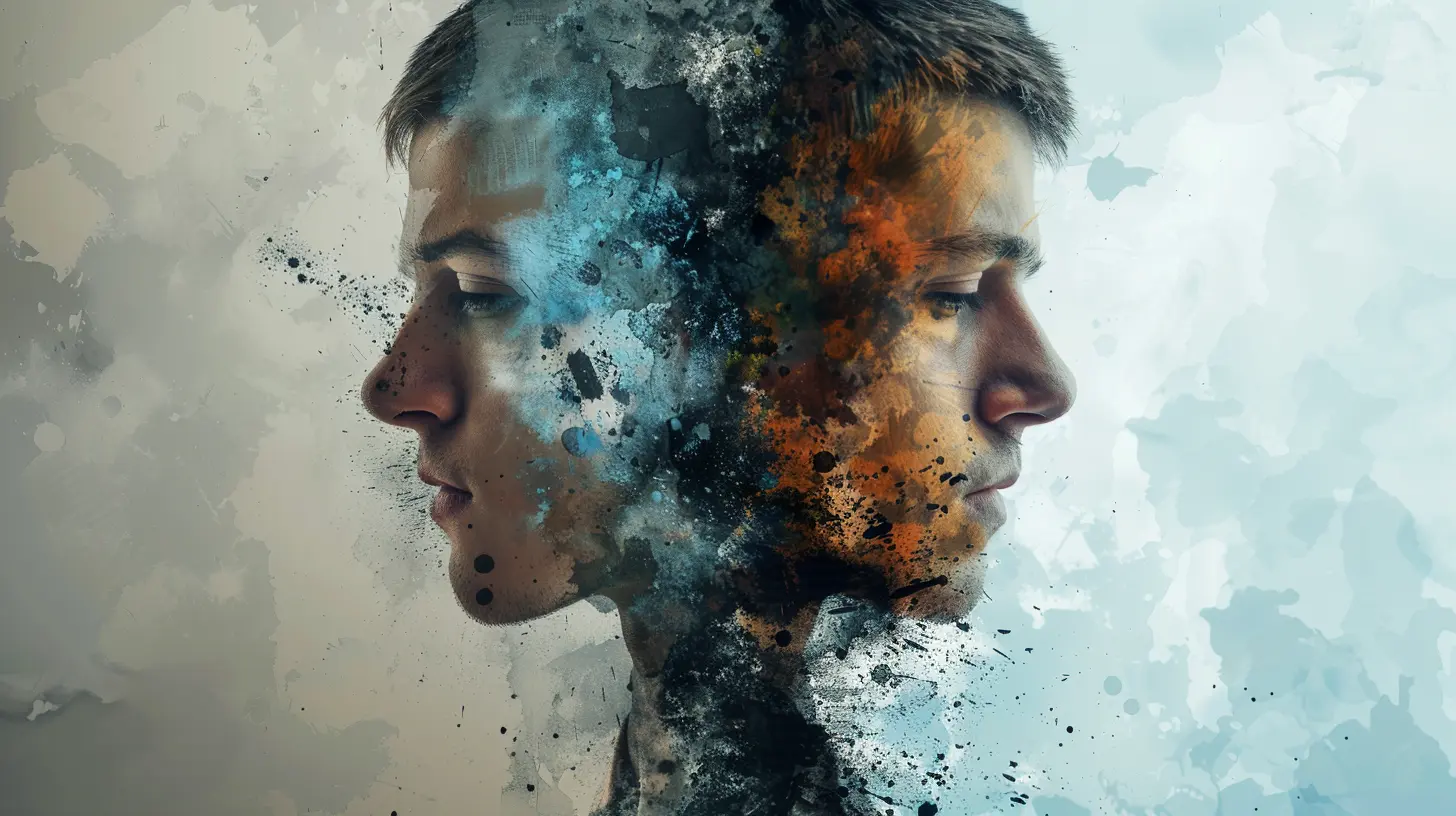
Why Are ‘Before and After’ Photos So Captivating?
Let’s start with the obvious: transformation photos are satisfying. Super satisfying.It’s like watching the climax of a good movie — the plot unfolds in two panels. You see a struggle and then the triumph. It taps into one of our most basic psychological needs: the desire for progress and improvement.
Our brains love stories, especially ones with a clear beginning, middle, and end. And these photos? They serve it up in a single glance. You don’t need a whole TED talk to feel something. A comparison shot is enough to tell a complete tale of change.
But here’s the kicker — while the story looks simple, the emotions it awakens in us are anything but.
The Uplifting Side: Inspiration, Hope, and Motivation
Let’s give credit where it’s due. Sometimes these transformation photos truly are the kick in the pants we need. They can be deeply inspiring, and here’s why:1. They Show That Change Is Possible
When you're feeling stuck, it helps to see proof that others have made it out of the same rut. A before-and-after might just be the spark of hope someone needs — a reminder that progress can happen, and that they’re not doomed to stay in the “before” forever.2. They Humanize the Journey
Seeing someone else’s ‘before’ makes you realize they weren’t always where they are now. It puts things into perspective. That Instagram fitness guru wasn’t always shredded — they had a messy, imperfect starting point too.3. They Stoke Motivation
Let’s face it, visuals are powerful. A dramatic transformation photo can be more motivating than a whole book on self-improvement. It invites people to take action — to start something, to change, to move.But while all of this sounds great on paper… it’s only one side of the story.
The Dark Side: Shame, Comparison, and Unrealistic Expectations
Here’s what people don’t talk about enough: those same photos that are meant to uplift can also do the exact opposite.1. They Feed the Comparison Trap
We’re human — comparing ourselves to others is practically hardwired into our brains. But when we scroll through picture-perfect transformations, it’s easy to fall into the trap of thinking, “Why don’t I look like that?”Instead of feeling inspired, we might feel inadequate. Like we’re not doing enough, not trying hard enough, or just not good enough.
Let’s be honest — ever looked at someone’s “after” photo and immediately felt worse about your own “before?” Yeah. That’s the trap.
2. They Can Spark Shame and Guilt
People battling body image issues, mental health struggles, or low self-esteem might interpret transformation images as proof that they’re failing. “If they could do it, why can’t I?”Rather than serving as motivation, the images can deepen feelings of shame — especially when there's an implication (intentional or not) that the "before" was unacceptable or even disgraceful.
3. They Promote Unrealistic Standards
Let’s not overlook the filters, the lighting tricks, and the strategic poses. Many “after” photos are curated to perfection, and the journey between the two photos is often condensed into a single moment. But life doesn’t work like that.Real transformation is slow, messy, and nonlinear. These photos rarely show the skipped workouts, the moments of doubt, the emotional toll, or the behind-the-scenes setbacks.
That’s the emotional whiplash — celebrating progress while also quietly suggesting that anything less than a total makeover is a failure.
The Psychological Mechanics Behind It All
To really understand the emotional weight of transformation photos, let’s peek at what’s going on in our brains.Dopamine and the Reward System
Here’s where it gets science-y (but stick with me). Our brains are reward-hungry. When we see a transformation photo, the visual difference triggers a dopamine response — the same feel-good chemical that lights up when we eat chocolate or hear our favorite song.That’s why we keep scrolling. We’re looking for more hits of “Wow! Look at that change!” It’s addictive.
The Ideal-Self vs. Actual-Self Conflict
Transformation photos show us someone else’s “ideal self.” But here's the catch — they remind us of what we're not. This creates a psychological tension between our actual self and our ideal self. When this gap feels too big, it can lead to frustration, self-criticism, and even depression.It's kind of like seeing a happily-ever-after ending when you're still stuck in Chapter Two.
The Impact on Mental Health
Let’s talk real consequences. While one or two photos might not ruin your day, an ongoing flood of them can slowly chip away at your self-worth.Body Dysmorphia and Self-Image Issues
For people prone to body image struggles, constant exposure to transformation content can be triggering. It reinforces the message that your body is only worthy when it changes — preferably into something smaller, tighter, or more “ideal.”Over time, this can contribute to body dysmorphia, anxiety, disordered eating, and obsessive behaviors.
Pressure to Perform and Document Everything
Ever feel like if you don’t have a side-by-side photo, your progress “doesn’t count”? That’s the pressure talking.We live in a documentation culture, where worth is measured in likes and shares. The transformation narrative often prioritizes the visual result over emotional growth or personal development — which, frankly, sucks the joy out of real progress.
How to Consume Transformation Photos in a Healthy Way
Look, we’re not saying you should totally avoid transformation content. But like anything on the internet, you’ve got to consume it mindfully. Here’s how:1. Check in With Yourself
Ask, “How is this making me feel?” Do you feel inspired, or do you feel like crap? If it’s the latter, it might be time to take a break and unfollow a few accounts.2. Remember the Nuance
A picture doesn’t tell the whole story. There are weeks, months, sometimes years sandwiched between those two photos. And we don’t see the emotional ups and downs that come with it.3. Celebrate Non-Visual Progress
Not all change shows up in pictures. Emotional resilience, healthier habits, better mental health — these don’t always make for eye-catching “after” photos, but they count just as much. Sometimes even more.4. Curate Your Feed
Follow people who share authentic journeys — the highs and the lows. Bonus points if they talk about mental health, self-compassion, and progress beyond aesthetics.When to Seek Help
If you find yourself constantly comparing, feeling triggered, or battling your self-worth because of transformation photos, please know it’s okay to speak with a mental health professional. These are not shallow concerns — they’re deeply valid and worth addressing.Changing the Narrative: More Than Just Looks
What if we flipped the script on transformation photos?What if “before and after” wasn’t just about weight loss, or clear skin, or a six-pack? What if it included emotional growth? Mental strength? Healing?
Imagine a slide that says:
- Before: Anxious, overwhelmed, disconnected
- After: More self-compassionate, calmer, emotionally aware
Now that’s a transformation worth celebrating.
Final Thoughts: It's Okay To Be a Work in Progress
In a world obsessed with transformation, it’s easy to feel like your “before” isn’t enough. But here’s the truth: every single person is a work in progress, and no photo can capture the full depth of your journey.Next time you see a before-and-after, take it with a grain of salt. Appreciate the effort, but don’t let it define your worth or dictate your pace.
Because the only transformation that truly matters? It’s the one that feels good on the inside.
all images in this post were generated using AI tools
Category:
Body ImageAuthor:

Eliana Burton
Discussion
rate this article
2 comments
Thornefield Stone
Transformation photos can inspire profound emotional journeys! They remind us that change is possible and growth is beautiful. Celebrate every step forward, no matter how small, and embrace the incredible power of resilience!
April 25, 2026 at 3:12 PM
Eliana Burton
Absolutely! Transformation photos capture more than just change; they highlight the strength and resilience within us. Each step is a testament to our journey and growth.
Jacqueline Summers
Transformation photos can evoke a complex mix of inspiration and pressure. They highlight personal journeys but may also foster unrealistic expectations, emphasizing the need for a balanced perspective on self-image and growth.
March 30, 2026 at 2:30 AM
Eliana Burton
You make a great point. While these photos can inspire, it's crucial to remember that everyone's journey is unique. Balancing inspiration with realistic expectations is key to healthy self-image.