Study Challenges Use of Exaggerated Facial Expressions in Baby Emotion Research
November 18, 2026 - 05:33

A recent study published in Communications Psychology raises important questions about the effectiveness of exaggerated facial expressions in research aimed at understanding infants' emotional responses. Conducted by a team at a prominent university, the research suggests that babies are seldom exposed to these heightened expressions in their everyday lives.
The researchers argue that this discrepancy could impact the validity of findings related to how infants interpret emotions. They emphasize that babies learn to read facial cues from their caregivers and social environments, which typically feature more subtle expressions. The study calls for a reevaluation of methodologies used in emotional research with infants, advocating for approaches that better reflect the nuanced ways in which emotions are conveyed in real-world interactions.
This shift could lead to a deeper understanding of emotional development in early childhood, ultimately benefiting both research and practical applications in parenting and education.
MORE NEWS

November 17, 2026 - 04:57
The Burden of Visibility in Nigerian PoliticsAn African proverb notes that a fruit-bearing tree inevitably attracts stones. In Nigerian public life, this saying captures a familiar reality: political visibility and influence rarely draw quiet...

November 16, 2026 - 01:13
A Good Deed Does Not Have to Be Selfless to MatterRecent research challenges the common belief that kindness must be entirely selfless to be meaningful. The study highlights that the motivations behind acts of kindness can vary significantly, and...
November 15, 2026 - 11:33
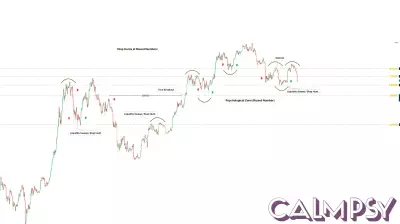
The Fascination with Round Numbers in Crypto TradingHave you ever noticed how prices in the crypto market often stall at round numbers like 50,000, 60,000, or 80,000? While newcomers might dismiss this as mere chance or basic math, seasoned traders...

November 14, 2026 - 22:03
The Lingering Impact of Humiliation on HappinessHumiliation can leave memories that are hard to shake. A new study suggests that people who have felt humiliated tend to be less happy, and that repetitive negative thinking may be part of the...