Why Some Lies Might Actually Help Your Relationship Survive
May 17, 2026 - 20:55
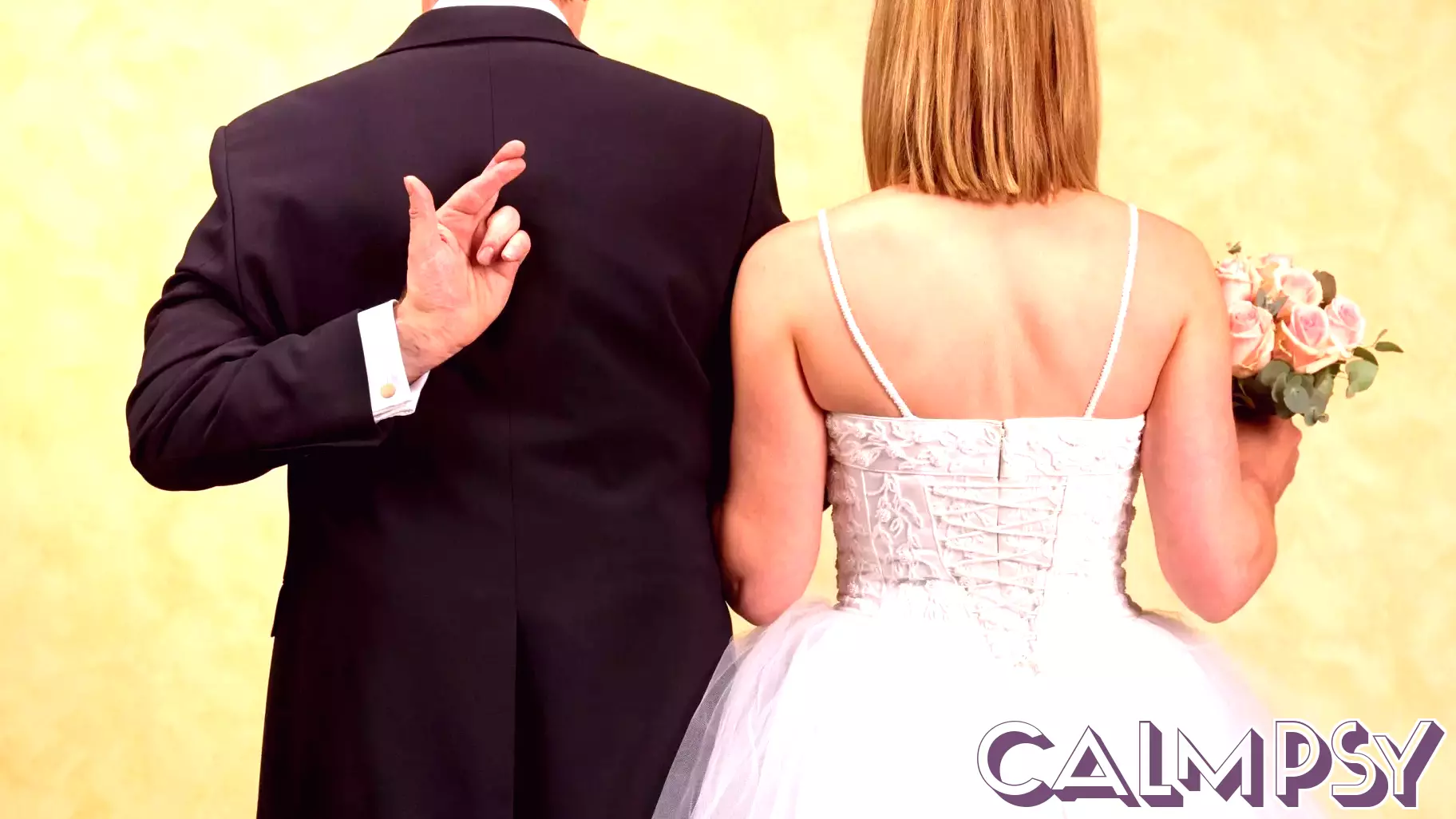
Most people assume that honesty is the only foundation for a lasting relationship. But recent psychological research suggests that not all lies are created equal. In fact, certain types of deception may play a surprisingly positive role in keeping couples connected.
A psychologist's analysis of relationship dynamics reveals two specific kinds of lies that, when used carefully, can actually strengthen bonds rather than break them. These are not the big betrayals or hidden affairs. They are what researchers call "necessary lies" -- small, intentional omissions or adjustments that protect a partner's feelings or preserve harmony.
The first type involves protecting your partner's self-esteem. If your spouse asks how they look before a big meeting, and their outfit is not your favorite, saying "you look great" might feel dishonest. But research shows that partners who offer gentle, supportive feedback in these moments tend to build more trust over time. The key is that the lie serves the relationship, not selfish interests.
The second type is about managing your own emotions in a way that prevents unnecessary conflict. For example, if you are annoyed by a minor habit but know that mentioning it will start a fight you both regret, choosing to stay quiet is not the same as lying. It is a form of emotional intelligence. Studies indicate that couples who pick their battles and let small irritations slide report higher satisfaction years later.
Of course, the line between a protective lie and a destructive one is thin. The research emphasizes that these lies must be motivated by care, not control. When deception is used to avoid accountability or hide real problems, it backfires. But when it is used to cushion a partner from unnecessary hurt, it can be a tool for long-term love.
The takeaway is not that you should lie more. It is that absolute honesty, without compassion, can sometimes be cruel. Relationships thrive not on perfect truth, but on kindness wrapped in truth.
MORE NEWS

September 29, 2026 - 20:44
The psychology behind 'dopamine sites'Digital platforms known as dopamine sites allow users to mimic the experience of purchasing high-end fashion, ordering midnight snacks, or even taking a virtual cigarette break, all without any...
September 29, 2026 - 07:23
Psychology Assistant Role Plan Dropped After BacklashThe Australian Health Practitioner Regulation Agency has confirmed it will not move forward with a proposed psychology assistant workforce role, at least for the time being. The decision follows...
September 28, 2026 - 21:51
Psychology says people who carry a charger everywhere may hate one feeling more than a dead phoneA dead phone can create problems that barely existed a few decades ago. Smartphones now help people find their way around and stay connected to work. Many also keep tickets and payment apps on...

September 28, 2026 - 11:01
Why Children Thrive With Clear Boundaries Instead of Endless FreedomA child asks for one more episode before bed. The parent says yes. Then comes another request, and another, until the evening dissolves into a negotiation that nobody wins. Moments like this are...