When Fake Supplements Work
March 28, 2026 - 04:53
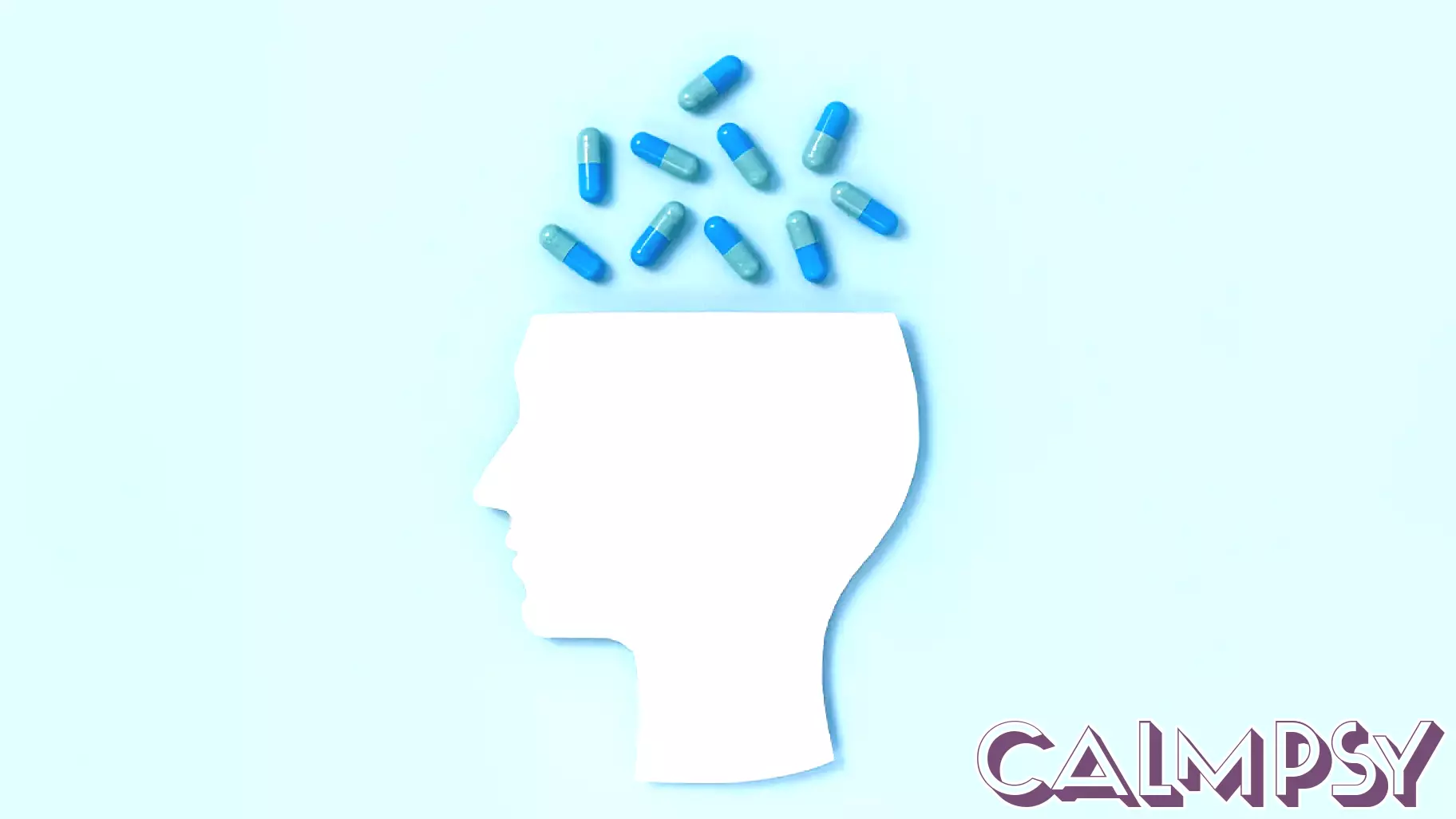
A fascinating new perspective is emerging in the world of health and wellness, challenging our understanding of how supplements affect us. It centers on a potent, yet often misunderstood, force: the placebo effect. This psychological phenomenon occurs when a person experiences a real improvement in their condition after taking a treatment with no active therapeutic ingredient, simply because they believe it will work.
Traditionally, the placebo effect has been seen as a benchmark to beat in clinical trials. However, some researchers are now asking a provocative question: if a harmless, inert supplement makes someone feel better, is that outcome not still valuable? The experience of relief, increased energy, or reduced pain is undeniably real to the individual, even if the pill itself is "fake." This effect is powered by a complex interplay of expectation, conditioning, and the brain's own capacity to release natural pain-relieving chemicals like endorphins.
This insight forces a reevaluation of the supplement industry and our approach to well-being. It suggests that the ritual of taking a pill, the trust in a brand, and the positive expectation of benefit can themselves be powerful catalysts for change. While this does not excuse fraudulent products making false claims, it highlights that the mind-body connection is a critical component of any healing process. The lesson may be that belief, when harnessed ethically, is itself a potent supplement.
MORE NEWS

September 24, 2026 - 11:16
Psychology says people who arrive three hours early at the airport are not just 'early birds', there is a surprising childhood reason behind itMost travelers know at least one person who insists on reaching the airport hours before a flight. They sit calmly near the gate while everyone else rushes through security. This behavior often...

September 23, 2026 - 21:28
Psychology says people who cancel plans at the last minute may be fighting a battle no one else can seeWhen someone makes dinner plans on Monday for Friday night, Friday still feels comfortably far away. By the time the day actually comes around, the plan has to compete with everything that wasn`t...

September 23, 2026 - 00:55
Antagonistic narcissism is linked to cold feelings toward psychologistsPeople who display high levels of antagonistic narcissism tend to hold psychologists and psychiatrists in low regard, according to new research. The findings suggest that individuals with this...

September 22, 2026 - 19:43
Roanoke makes list of best psychology programs in U.S. News & World ReportThe psychology program at Roanoke College has secured a place among the top programs in the country, according to the latest rankings released by U.S. News & World Report. This national recognition...