Psychology says the person who appears totally fine after a devastating loss and the person who falls apart are not as different as you'd think, and the truly resilient one is rarely who you'd guess.
August 9, 2026 - 02:40
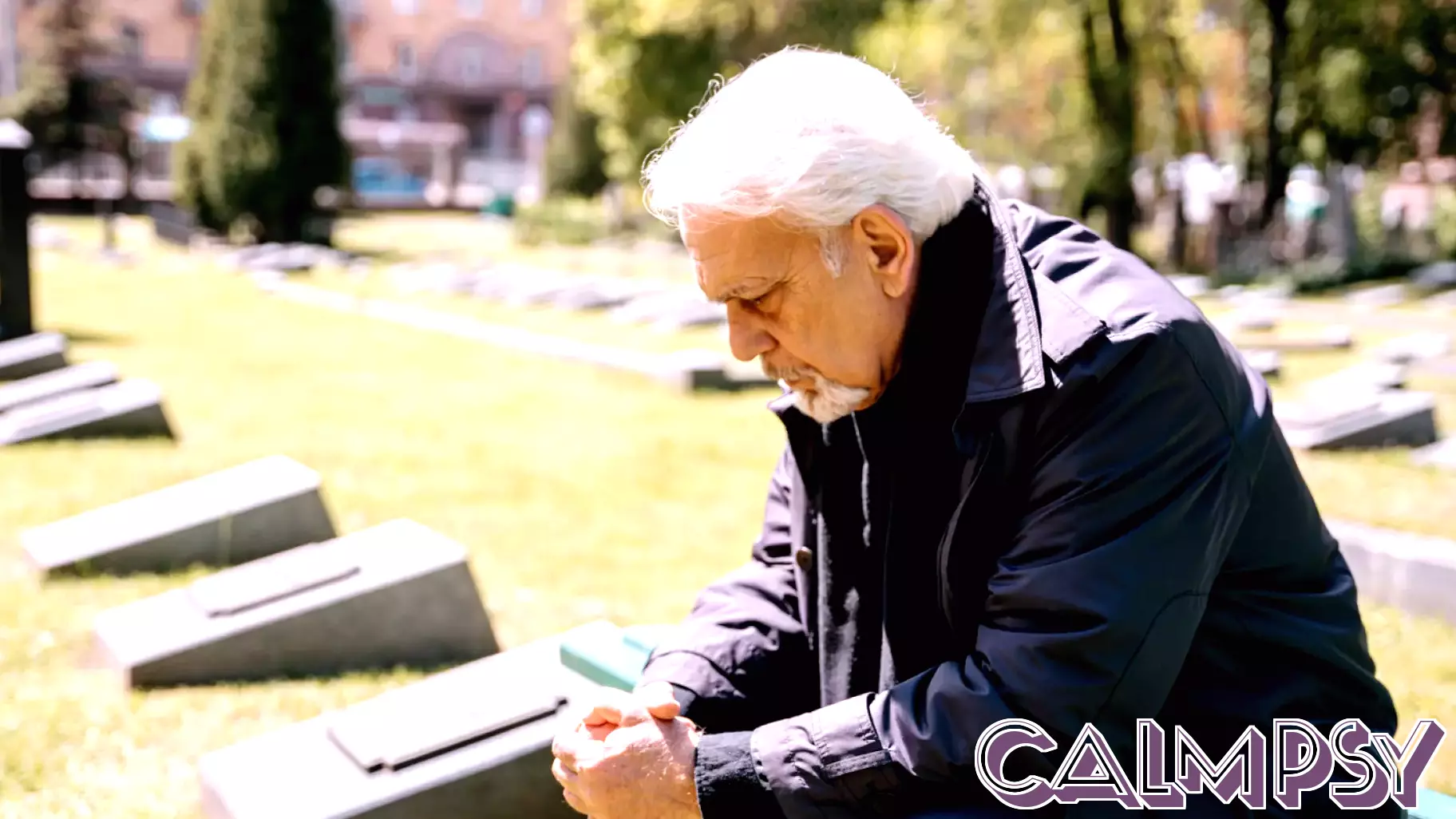
Psychologists who study grief have long noticed a strange pattern. The friend who cries for weeks, cancels plans, and talks about the deceased constantly is often seen as fragile. The one who returns to work on Monday, cracks jokes by Friday, and never mentions the loss is labeled "strong" or "handling it well." But research suggests that outward composure after a devastating loss is not a sign of shallow feeling. It can be a sign of deep, active coping that happens internally.
The key difference is not whether someone cries or stays dry-eyed. It is whether they can eventually integrate the loss into their life story. The person who appears fine may be doing something called "adaptive denial" - a temporary buffer that lets them function while their brain slowly absorbs the shock. This is different from true avoidance, where the person never revisits the pain and builds a wall around it.
The truly resilient person, studies show, is the one who can move between both states. They can cry when needed, but also laugh. They can sit with the pain, but also take a break from it. The person who falls apart completely and the person who stays perfectly composed are often doing the same work, just on different timetables. The danger comes when someone gets stuck in one mode - either drowning in grief forever or refusing to ever touch it.
So the next time you see someone who seems "too fine" after a loss, resist the urge to judge. They may be fighting a quiet battle that looks nothing like the one you would fight. And the person sobbing in the corner may be further along than the one offering tissues. Grief has no uniform, and resilience is not a performance.
MORE NEWS

September 23, 2026 - 00:55
Antagonistic narcissism is linked to cold feelings toward psychologistsPeople who display high levels of antagonistic narcissism tend to hold psychologists and psychiatrists in low regard, according to new research. The findings suggest that individuals with this...
September 22, 2026 - 19:43
Roanoke makes list of best psychology programs in U.S. News & World ReportThe psychology program at Roanoke College has secured a place among the top programs in the country, according to the latest rankings released by U.S. News & World Report. This national recognition...

September 22, 2026 - 01:11
AI, Consumer Psychology and the End of the 7-Year Boat DesignThe marine industry is facing a shift in how customers judge the pace of change. For decades, boat design followed a slow rhythm. A hull shape or interior layout could stay competitive for seven...

September 21, 2026 - 00:20
8 Signs Your Child Is Growing Into a Resilient, Emotionally Mature PersonA psychologist has outlined eight signs that suggest a child is developing resilience and emotional maturity. According to Lindsay C. Gibson, these traits shape how children grow into adults. `They...