What Can Be Done for Children With Psychopathic Traits
July 28, 2026 - 10:13
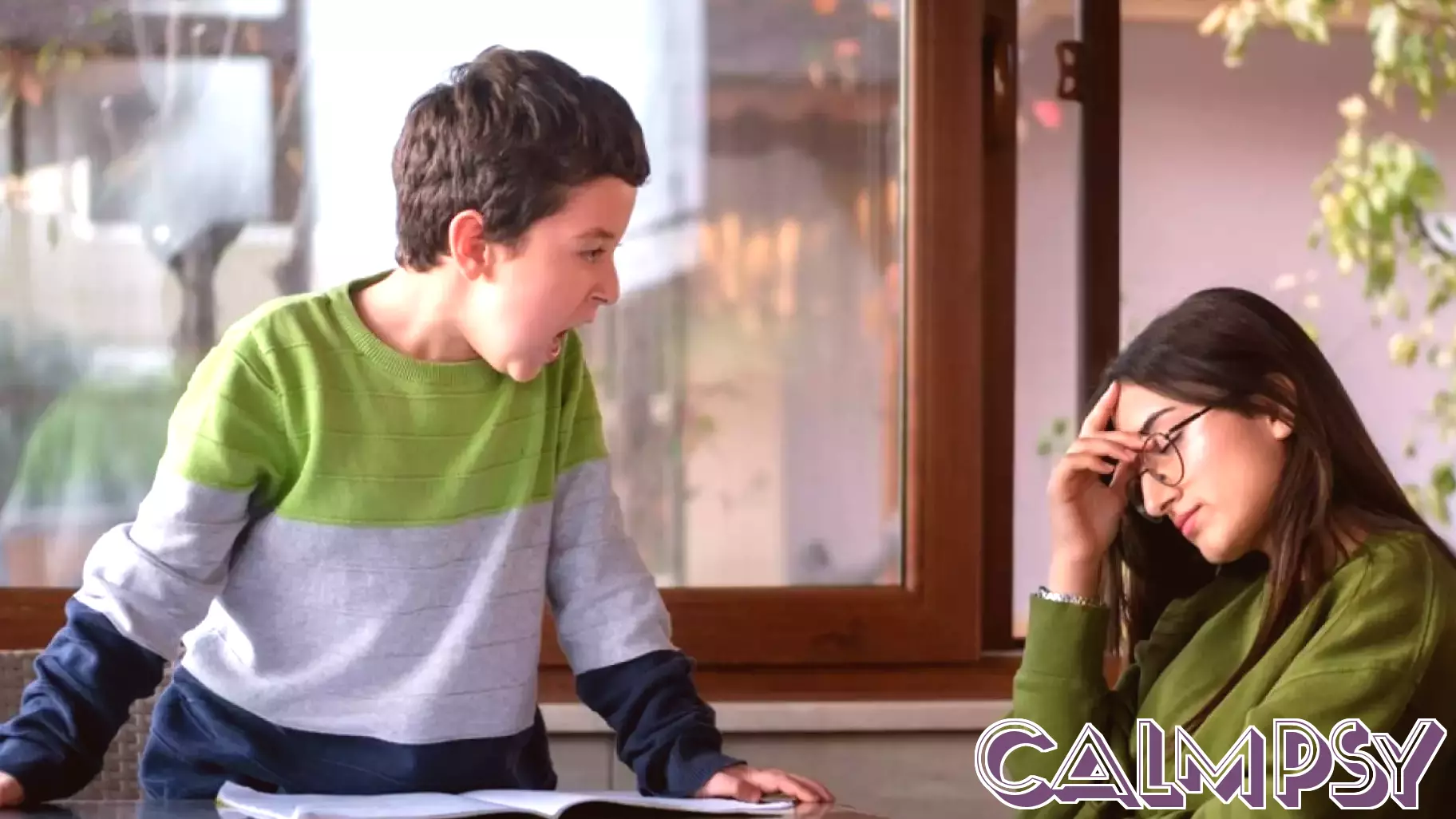
For years, the term "psychopath" has been used almost exclusively to describe dangerous adults. But a growing body of research shows that the traits associated with this condition, such as a lack of empathy, shallow emotions, and a tendency toward manipulation, can appear in childhood. The question is no longer whether these children exist, but what can be done to help them before the patterns become fixed.
Experts emphasize that early diagnosis is the single most important factor. Identifying a child with callous-unemotional traits, the clinical term often used, allows for targeted intervention during the years when the brain is still developing. Traditional discipline, like timeouts or lectures, rarely works with these children. They are often immune to punishment and do not respond to the emotional cues that guide most kids.
Instead, therapists recommend reward-based systems that focus on what the child wants, such as privileges or specific activities. The goal is to teach them that prosocial behavior, like sharing or showing concern, has tangible benefits. This is not about making them "feel bad" but about training them to recognize that cooperation is in their own self-interest.
Schools also play a crucial role. Teachers can be trained to spot warning signs, such as a child who lies without remorse, bullies without emotion, or seems indifferent to praise or punishment. Classroom environments that provide structure, clear expectations, and consistent rewards for positive behavior can make a significant difference. Some programs even use mentoring, pairing the child with a calm, patient adult who models empathy and reinforces small acts of kindness.
Critics worry that labeling a child as "psychopathic" is harmful and could lead to stigma. But researchers argue that ignoring the problem is far worse. Without intervention, these children are at high risk for conduct disorder, substance abuse, and criminal behavior in adolescence and adulthood. The goal is not to change their core personality, but to give them the tools to navigate a social world they do not naturally understand. With the right support, many can learn to manage their impulses and build a life that does not harm others.
MORE NEWS

October 26, 2026 - 03:21
Fear of Rejection Linked to Greater Fear of Death in Young AdultsYoung adults who are highly sensitive to rejection often report a stronger fear of death, according to a study of 640 Italian participants. The research suggests that the connection between social...

October 25, 2026 - 09:15
When Office Friendliness May Be Hiding EnvyAlmost every workplace has that one person who seems almost aggressively nice. They greet you with an oversized smile every morning, ask about your weekend, drop warm compliments by your desk, and...

October 24, 2026 - 22:21
How Fan Psychology Drives Taylor Swift's Billion-Dollar SuccessThe intense, one-sided connections fans feel toward Taylor Swift and their fear of missing out strongly predict whether they will attend her concerts and movies, highlighting how the psychological...
October 24, 2026 - 07:08
Psychology says people who always arrive early may have a distinct way of dealing with uncertainty; what punctuality reveals about control, responsibility and stressThere is always someone who reaches the airport hours before departure, arrives at a restaurant before the rest of the group or leaves home early enough to account for traffic, parking and an...