Psychology says people who always arrive early may have a distinct way of dealing with uncertainty; what punctuality reveals about control, responsibility and stress
October 24, 2026 - 07:08
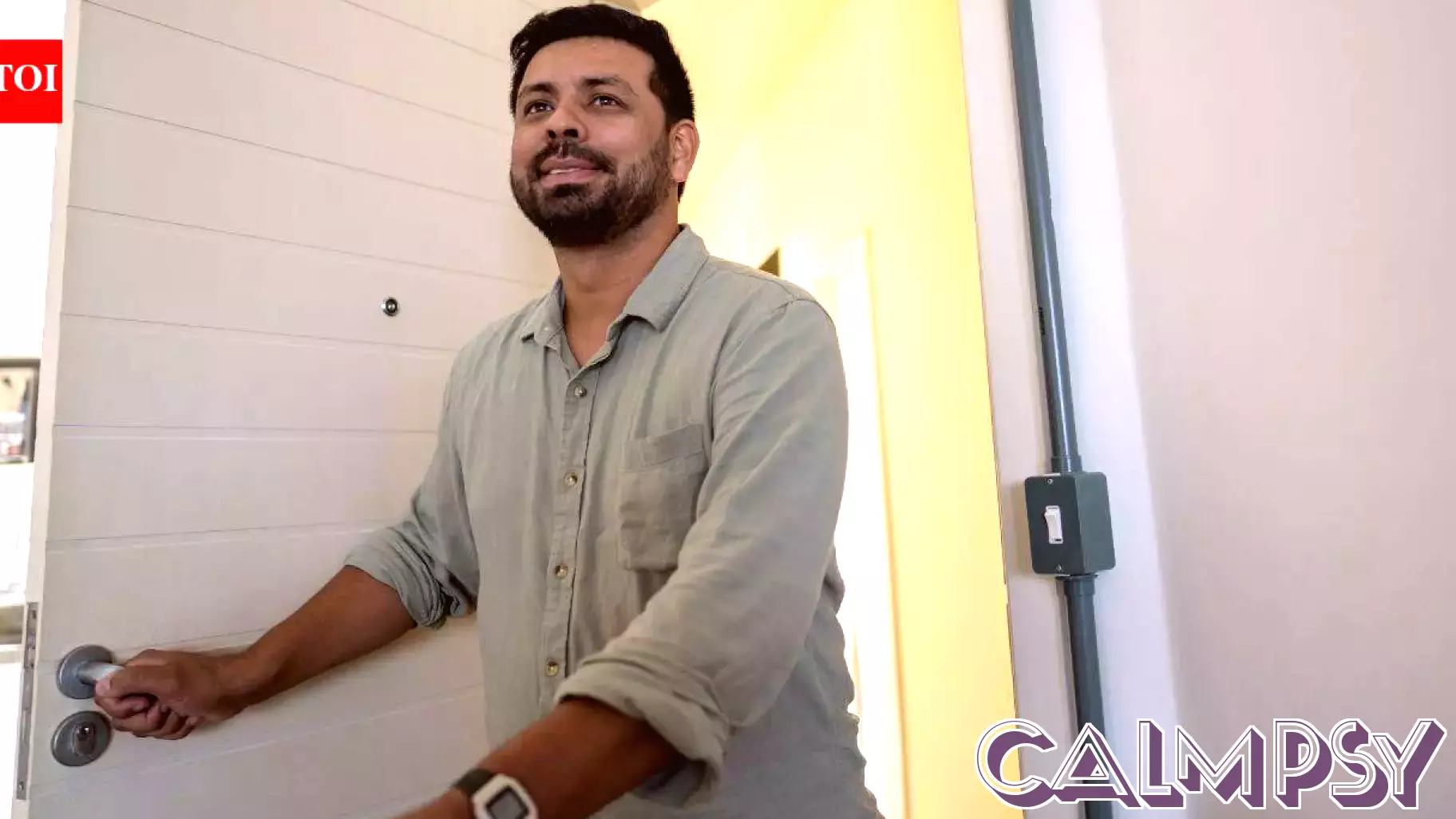
There is always someone who reaches the airport hours before departure, arrives at a restaurant before the rest of the group or leaves home early enough to account for traffic, parking and an unexpected delay. While others are watching the clock, this person is already there, waiting.
Psychologists suggest this habit is not simply about good manners or an obsession with time. Arriving early can be a way of managing uncertainty. People who build in extra minutes are often trying to reduce the chance of being caught off guard, whether by a delayed train, a wrong turn or a last minute problem. For them, punctuality is less about the clock and more about creating a buffer against the unexpected.
The pattern also says something about how a person handles responsibility. Those who consistently show up early tend to feel a strong sense of duty toward others. They do not want to keep anyone waiting or appear unreliable, and they often imagine how their lateness would affect the people around them. This awareness can make them thoughtful colleagues and friends, though it can also leave them feeling anxious when plans are out of their hands.
Stress plays a complicated role. Arriving early may ease anxiety for some, giving them a sense of control over the day. For others, the habit itself can become a source of tension, especially when they cannot predict traffic, weather or other people's behavior. The person who always leaves extra time may still sit in the car worrying about the minutes passing.
What looks like simple punctuality is often a small window into how someone copes with uncertainty, responsibility and pressure. The early arriver is not just organized. They are quietly negotiating with a world that rarely runs exactly on schedule.
MORE NEWS

October 23, 2026 - 22:50
Halloween means scary fun. But what's the psychology behind the joy of fearA USF psychology doctoral student is researching how fear can bring people together, using haunted houses as a key part of her studies. Tara Perreault studies the way shared scary experiences...

October 23, 2026 - 15:25
Psychology says parents who read bedtime stories every night may be building more than a love of books, language skills and healthy routinesFor many families, bedtime follows a familiar pattern. Teeth are brushed, a favourite book comes out, and a child settles beside a parent to hear a story they may already know by heart. According...

October 22, 2026 - 19:28
Three Psychological Thrillers to Stream on Netflix This WeekendIf you want a weekend that gets under your skin, Netflix has a solid lineup of psychological thrillers that trade jump scares for slow-building dread. These films focus on twisted minds, unsettling...

October 22, 2026 - 00:01
Psychologist Access Is Becoming More Unequal, and the Gap Is WideningMedicare rebates are meant to make psychologist visits cheaper and more accessible. But data shows those on the lowest incomes are missing out. New analysis reveals a growing divide in who can...