Unveiling the Disturbing Mindset Behind Antisemitic Hatred
January 7, 2025 - 21:03

A recent interview with Leila Khaled, a prominent figure in the Popular Front for the Liberation of Palestine (PFLP) and known for her involvement in airplane hijackings, has stirred significant controversy. Published by a platform notorious for its anti-Israel rhetoric, the piece presents Khaled’s views in a manner that many critics argue romanticizes her violent past.
In the interview, Khaled reflects on her actions and ideology, revealing a chilling detachment from the consequences of her actions. This portrayal raises critical questions about the normalization of extremist views and the psychology behind self-defeating antisemitic hatred. By providing a platform for such narratives, there is a risk of perpetuating a cycle of violence and intolerance that undermines efforts for peace and understanding in the region.
The glorification of figures like Khaled not only distorts historical realities but also emboldens extremist sentiments. It is essential to critically examine such narratives and confront the underlying ideologies that fuel hatred, fostering a dialogue rooted in empathy and mutual respect.
MORE NEWS

October 4, 2026 - 22:51
Why the Most Tender-Hearted People Go Completely Silent When You Hurt Them, According to PsychologyYou know that moment when someone you care about just disappears? Not physically, but emotionally. One second you were mid conversation, maybe mid argument, and now there is nothing. No yelling, no...
October 4, 2026 - 06:43
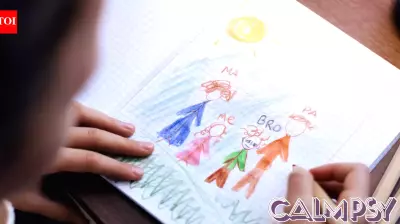
Why Some Children Restart Drawings Until They Look RightA child sits down with a sheet of paper and starts drawing. The first attempt does not look quite the way they imagined it. So they flip the page and begin again. Then again. To a parent watching...

October 3, 2026 - 20:42
Trump's 'stroke' pathways are now 'crossing the brain': psychologistA widely cited psychologist raised concerns on Friday evening about a series of unusual behaviors displayed by President Donald Trump. Dr. John Garrision pointed to what he described as strange and...

October 3, 2026 - 09:31
Psychology says children who turn household objects into toys may have stronger imaginations than parents realiseA banana held to the ear. A saucepan worn as a helmet. A cardboard box turned into a rocket ship. Children everywhere transform ordinary household objects into toys, and parents often brush it off...