Why We Collect: The Hidden Psychology Behind Our Obsession With Objects
May 22, 2026 - 15:28

From rare watches to contemporary art, the urge to collect seems to be a deeply human trait. But what drives someone to spend years hunting for a single vintage baseball card or a specific edition of a book? Collectors and psychologists alike have long tried to understand this behavior, and their findings reveal more about us than we might expect.
At its core, collecting is about identity. The objects we choose to accumulate often reflect who we want to be. A collector of vintage cameras may see themselves as a historian of visual culture. Someone who buys contemporary art might be signaling sophistication or a connection to the creative world. The collection becomes a mirror, showing not just taste but aspirations.
Status also plays a major role. Rare items are scarce by design, and owning them can signal wealth, knowledge, or access. A first-edition novel or a limited-run watch is not just an object; it is a badge. It says, "I belong to a group that understands value."
But there is also a quieter, more personal side to collecting. Many collectors describe a sense of stewardship. They feel responsible for preserving these objects for the future. A vintage car restorer might spend years bringing a rusted chassis back to life, not for profit but for the joy of saving something from decay. This act of preservation can feel almost sacred.
Desire, of course, is the engine. The hunt for a missing piece, the thrill of an auction win, the satisfaction of completing a set - these moments release dopamine in the brain. Collecting can become addictive for this reason. The pleasure is not just in owning but in the chase itself.
collecting is a way to impose order on a chaotic world. It gives us small universes we can control. And in those universes, every object has a story, and every story is a piece of ourselves.
MORE NEWS
October 4, 2026 - 06:43
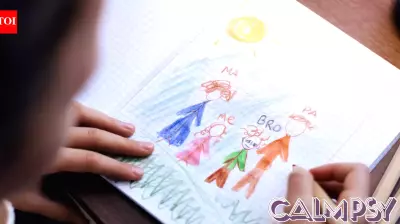
Why Some Children Restart Drawings Until They Look RightA child sits down with a sheet of paper and starts drawing. The first attempt does not look quite the way they imagined it. So they flip the page and begin again. Then again. To a parent watching...

October 3, 2026 - 20:42
Trump's 'stroke' pathways are now 'crossing the brain': psychologistA widely cited psychologist raised concerns on Friday evening about a series of unusual behaviors displayed by President Donald Trump. Dr. John Garrision pointed to what he described as strange and...
October 3, 2026 - 09:31
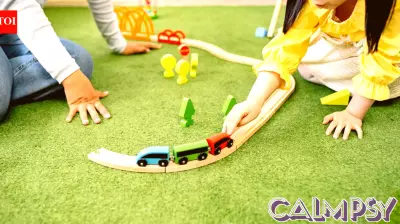
Psychology says children who turn household objects into toys may have stronger imaginations than parents realiseA banana held to the ear. A saucepan worn as a helmet. A cardboard box turned into a rocket ship. Children everywhere transform ordinary household objects into toys, and parents often brush it off...

October 2, 2026 - 19:11
Small Daily Practice May Improve Wellbeing in SecondsPsychologist Eli Susman researched different techniques for improving wellbeing and discovered it doesn`t take long to feel better. His findings suggest that a brief daily practice, sometimes...