Unique Brain Cake Captivates Wedding Guests, Celebrating Bride's Love for Psychology
October 24, 2025 - 07:06
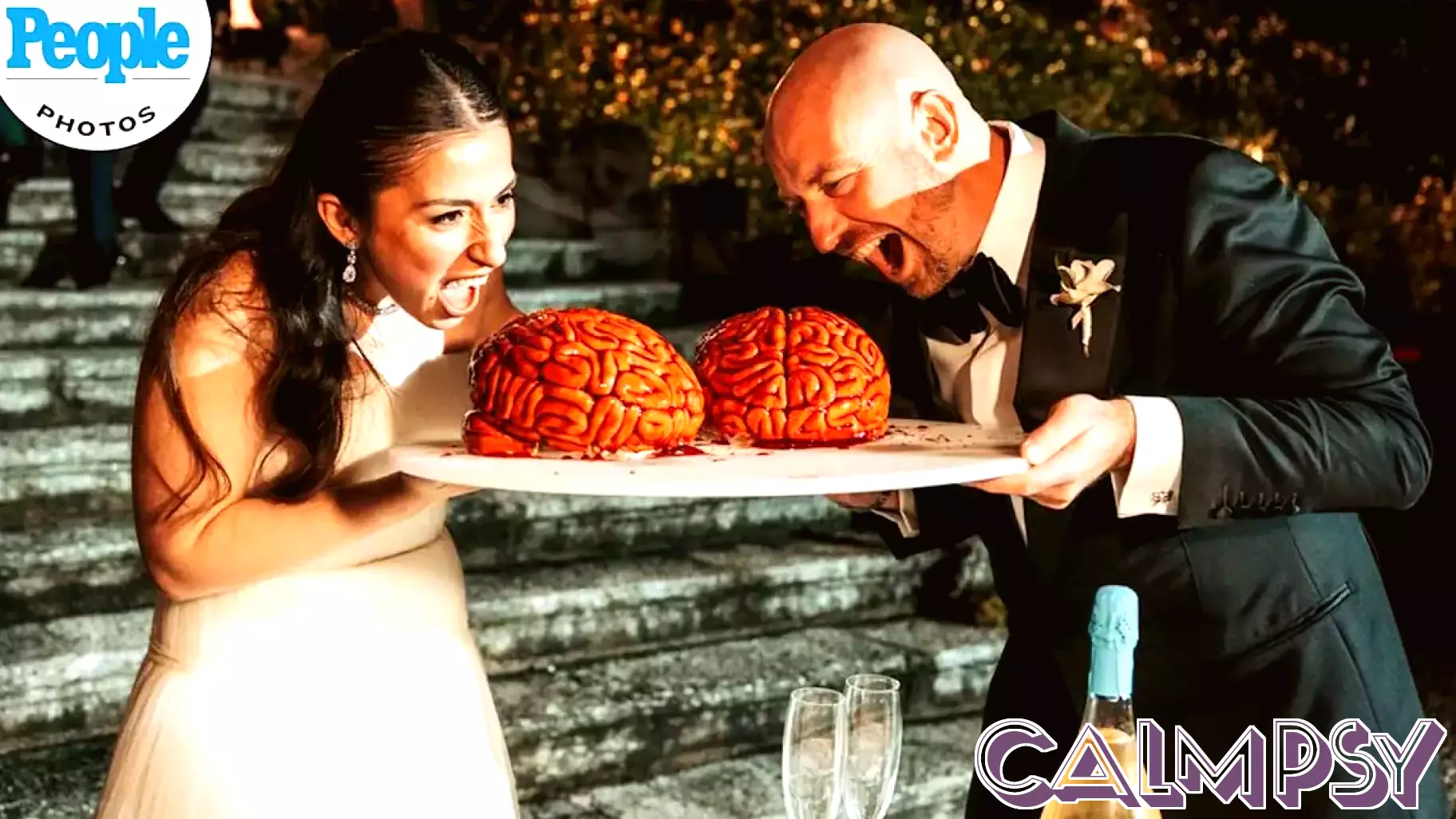
In a delightful twist at a recent wedding, bride Lizania Borrayo wowed her guests with a stunningly realistic brain-shaped cake, a tribute to her passion for psychology. The cake, intricately designed to resemble a human brain, became a talking point among attendees, leaving a lasting impression on everyone present.
Lizania shared her excitement about the cake, stating, "They became a memorable part of our wedding, not just for us but for everyone there." The unique dessert perfectly encapsulated her interests while adding a fun and unconventional element to the celebration. Guests were not only impressed by the cake's appearance but also by its delicious flavor, making it a highlight of the reception.
This creative choice reflects a growing trend among couples who seek to personalize their weddings with unique elements that tell their stories. Lizania's brain cake is a perfect example of how a thoughtful detail can enhance the overall experience of a special day, creating cherished memories for all involved.
MORE NEWS

September 19, 2026 - 15:46
Psychology explains why people turn down the music when looking for an address and how the brain respondsDrivers often reach for the volume knob when they are searching for an unfamiliar address, turning the music down even though the sound has nothing to do with reading street signs. Psychology...

September 18, 2026 - 22:57
Psychology says parents who continue their own parents’ traditions with their children may be passing downFamily rituals can give everyday life a reassuring sense of continuity. A birthday might always begin with the same special breakfast, Friday evenings may revolve around a favorite meal, and every...

September 18, 2026 - 04:47
Why You Shed Years the Moment You Walk Into Your Parents' HouseYou drive hours to visit family, step through the front door, and within minutes something shifts. Your posture changes. Your voice takes on an old cadence. You argue about chores, roll your eyes...

September 17, 2026 - 12:31
Revisiting Power and Cruelty: The Stanford Prison Experiment Under New ScrutinyIn 1971, a basement corridor at Stanford University became the stage for one of psychology`s most infamous studies. Researchers divided male students into two groups: guards and prisoners. Within...