Understanding the Roots of Bullying Behavior
November 28, 2024 - 21:10

No matter your age, if you’re being bullied − there’s help out there. Bullying remains a pervasive issue affecting individuals across various demographics, and it often leaves deep emotional scars. Experts in youth psychology emphasize that bullying behavior can stem from a variety of underlying factors.
Many bullies exhibit their harmful behavior as a means of asserting power or control, often due to their own insecurities. They may have experienced trauma, neglect, or a lack of positive role models, leading them to replicate aggressive behaviors they’ve observed. Furthermore, societal influences, including peer pressure and cultural norms, can exacerbate these tendencies.
It’s essential for victims of bullying to understand that they are not alone and there are resources available to support them. Schools, community organizations, and mental health professionals are equipped to provide guidance and intervention. Encouraging open conversations about bullying can foster a more supportive environment, helping to break the cycle of aggression and promote empathy among peers.
MORE NEWS

October 4, 2026 - 22:51
Why the Most Tender-Hearted People Go Completely Silent When You Hurt Them, According to PsychologyYou know that moment when someone you care about just disappears? Not physically, but emotionally. One second you were mid conversation, maybe mid argument, and now there is nothing. No yelling, no...
October 4, 2026 - 06:43
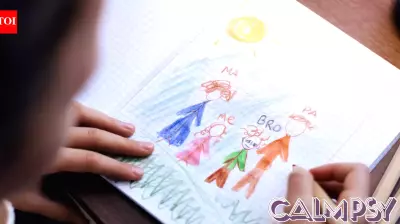
Why Some Children Restart Drawings Until They Look RightA child sits down with a sheet of paper and starts drawing. The first attempt does not look quite the way they imagined it. So they flip the page and begin again. Then again. To a parent watching...

October 3, 2026 - 20:42
Trump's 'stroke' pathways are now 'crossing the brain': psychologistA widely cited psychologist raised concerns on Friday evening about a series of unusual behaviors displayed by President Donald Trump. Dr. John Garrision pointed to what he described as strange and...
October 3, 2026 - 09:31
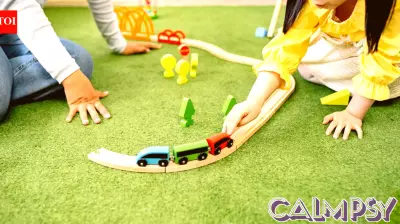
Psychology says children who turn household objects into toys may have stronger imaginations than parents realiseA banana held to the ear. A saucepan worn as a helmet. A cardboard box turned into a rocket ship. Children everywhere transform ordinary household objects into toys, and parents often brush it off...