Understanding the Psychology of Winning and Losing
June 6, 2025 - 08:57

The thrill of victory and the agony of defeat are phrases that resonate deeply in the world of sports. Yet, these clichés only scratch the surface of what it truly means to adopt a winning mindset. In a recent exploration of sports psychology, several thought leaders shared insights on the mental aspects that define success and failure.
Among the speakers was Abby Wambach, a former professional soccer player renowned for her achievements on the field. She, alongside cognitive scientist Sian Leah Beilock, journalist Kate Fagan, and art historian Sarah Lewis, delved into the intricate relationship between mindset and performance. Their discussions highlighted how understanding one's mental state can influence outcomes, not just in sports but in everyday life.
By examining the psychology behind winning and losing, these experts aim to equip individuals with the tools to foster resilience and enhance their overall performance, regardless of the arena. The insights shared during this hour serve as a reminder that mental preparation is just as crucial as physical training in achieving success.
MORE NEWS

October 4, 2026 - 22:51
Why the Most Tender-Hearted People Go Completely Silent When You Hurt Them, According to PsychologyYou know that moment when someone you care about just disappears? Not physically, but emotionally. One second you were mid conversation, maybe mid argument, and now there is nothing. No yelling, no...
October 4, 2026 - 06:43
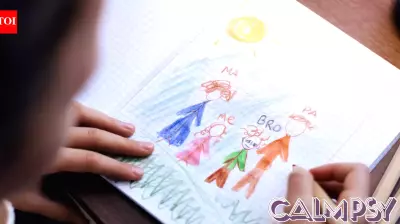
Why Some Children Restart Drawings Until They Look RightA child sits down with a sheet of paper and starts drawing. The first attempt does not look quite the way they imagined it. So they flip the page and begin again. Then again. To a parent watching...

October 3, 2026 - 20:42
Trump's 'stroke' pathways are now 'crossing the brain': psychologistA widely cited psychologist raised concerns on Friday evening about a series of unusual behaviors displayed by President Donald Trump. Dr. John Garrision pointed to what he described as strange and...
October 3, 2026 - 09:31
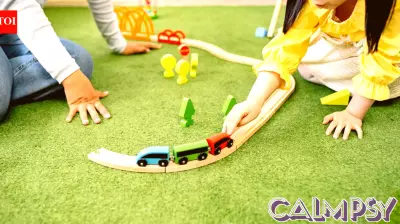
Psychology says children who turn household objects into toys may have stronger imaginations than parents realiseA banana held to the ear. A saucepan worn as a helmet. A cardboard box turned into a rocket ship. Children everywhere transform ordinary household objects into toys, and parents often brush it off...