Understanding the Psychology of New Year’s Resolutions and Lasting Change
January 8, 2026 - 15:50
By Kelsey Kendall
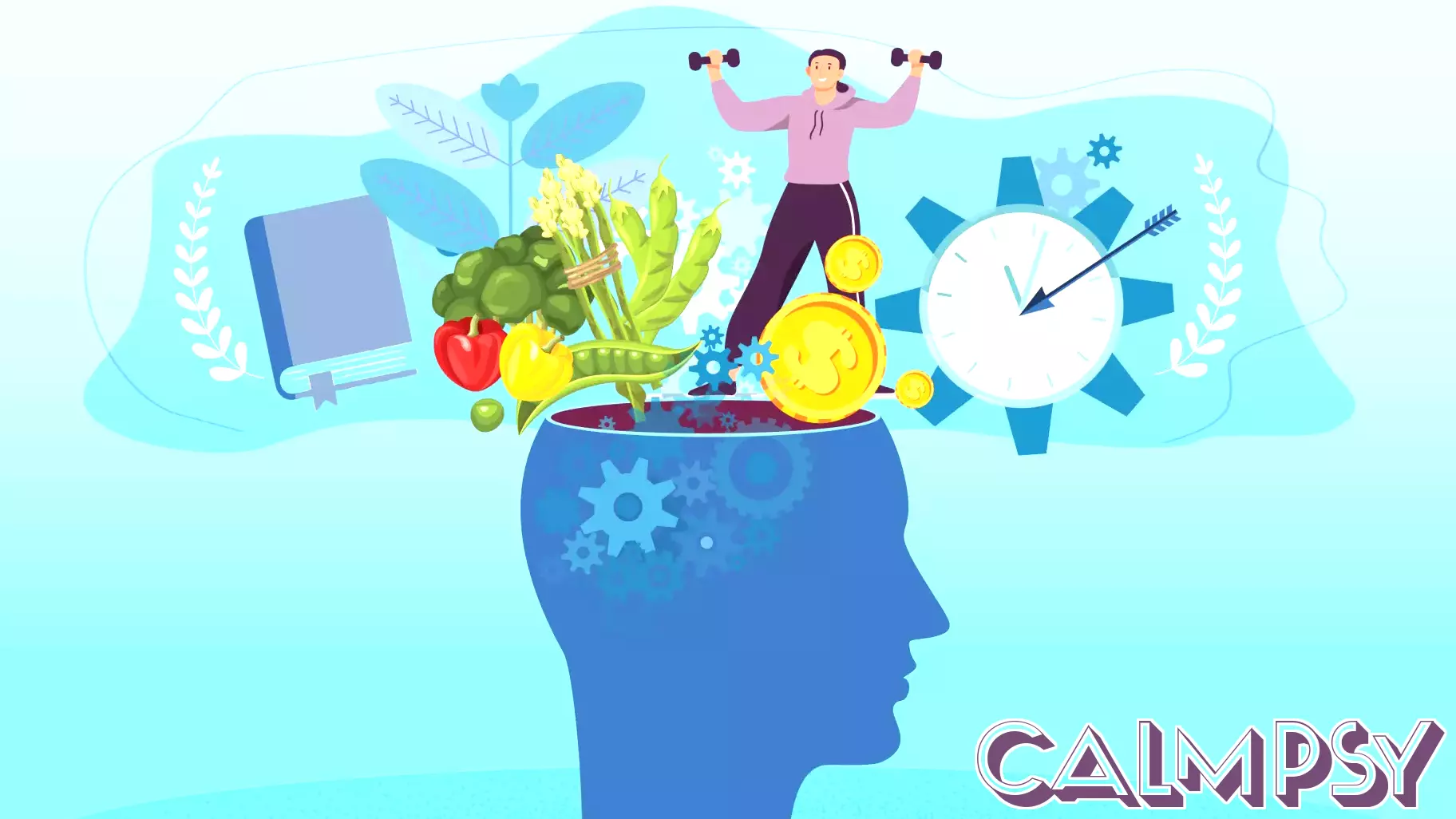
As 2026 unfolds, many individuals flock to gyms and fill their shopping carts with nutritious foods, eager to embrace healthier lifestyles. However, history shows that within weeks, a significant number of these resolute individuals will revert to their old habits. The frequent failure of New Year’s resolutions can often be attributed not to a lack of willpower but rather to a fundamental misunderstanding of how the brain processes goals.
Research indicates that traditional goal-setting methods may not resonate with the brain's natural tendencies. Instead of focusing solely on willpower and discipline, experts suggest that a more nuanced approach is necessary for meaningful change. This includes setting specific, achievable goals, fostering a supportive environment, and understanding the emotional drivers behind behaviors. By aligning resolutions with psychological principles, individuals may find a greater chance of success in their quest for lasting transformation. As the new year progresses, it’s crucial to rethink how we approach our aspirations for a healthier, more fulfilling life.
MORE NEWS

October 7, 2026 - 00:41
Nike's Jordan Supply Cut Risks Repeating a Classic Marketing ErrorNike CEO Elliott Hill has decided to limit the supply of Jordan brand sneakers in an effort to reverse declining sales. The move echoes a familiar playbook: when demand weakens, tighten...

October 6, 2026 - 08:34
Why Office Gossip Is So Hard to IgnoreA colleague whispers that someone may be leaving. Another says a manager is unhappy with the team. Within minutes, a quiet office can suddenly feel full of invisible signals. Office gossip has a...

October 5, 2026 - 17:14
Psychologists Say People Who Get Along With Everyone Share These 8 Phrases — Are You Using Them Yet?You know that person at the rooftop launch who drifts from the PR girl to the CFO to the DJ and somehow has a real conversation with every single one. She is not necessarily the funniest, or in...

October 5, 2026 - 07:00
Why Your Ghost Still Watches Your StoriesYou posted a photo of your coffee. Within an hour, there it is: the name of the person who stopped replying to your texts three weeks ago, sitting quietly in your story viewers list. No message...