Psychology suggests the reason people feel more isolated as they get older isn't because they've become less likable — it's because most human connection is built on proximity and shared obligation, and retirement quietly removes both at once
April 8, 2026 - 04:53
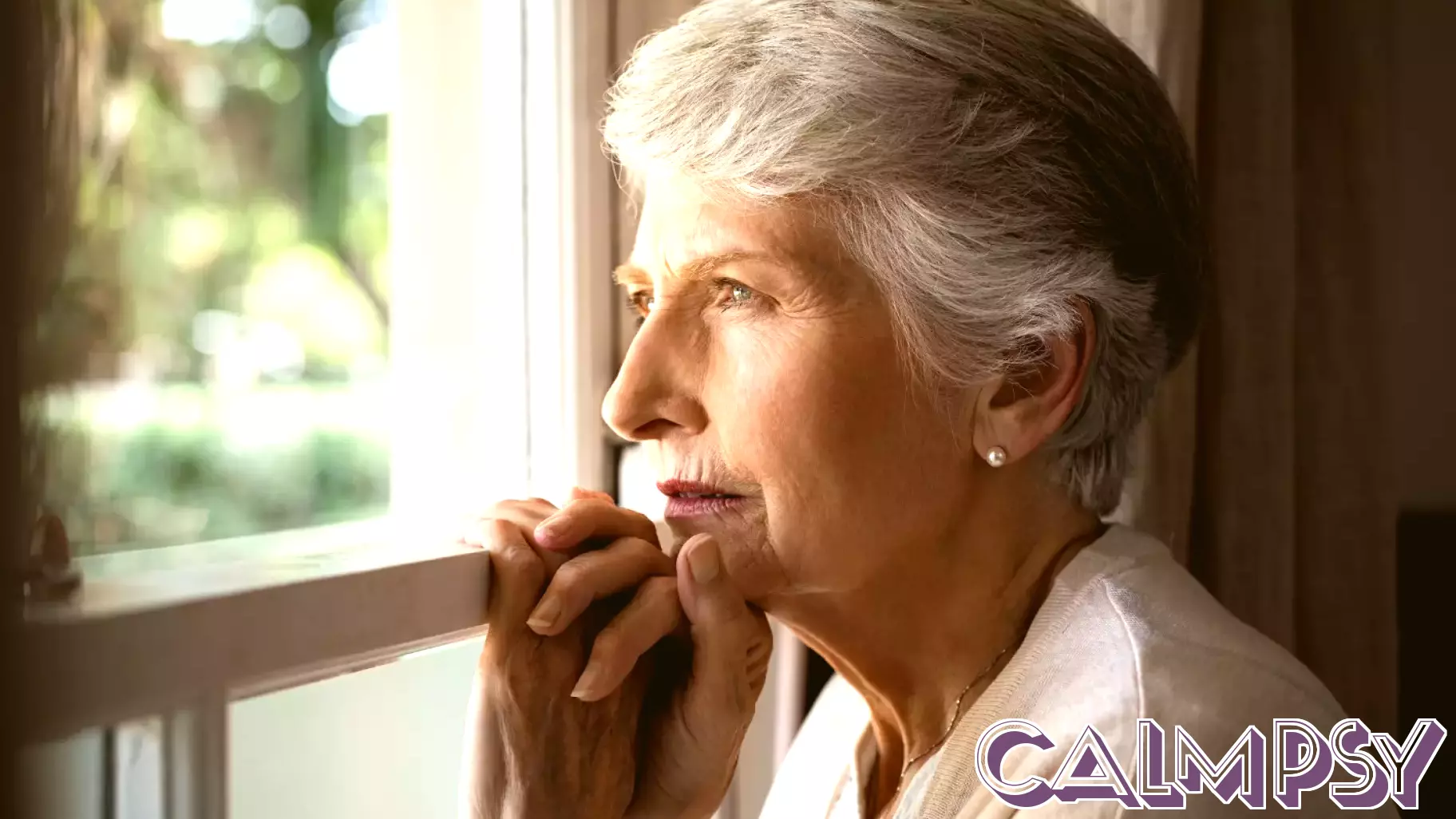
A common assumption about aging and isolation is that people simply become less sociable or likable over time. However, psychological insights reveal a more structural cause. The growing sense of loneliness many experience later in life is less about personality and more about the silent removal of the two fundamental pillars of most adult friendship: proximity and shared obligation.
For decades, our social worlds are often built unconsciously through the framework of work and active parenting. These environments provide consistent proximity to the same people and a web of shared goals, deadlines, and responsibilities. Connections are forged not just in meetings, but in the casual coffee run, the shared complaint about a project, or the collaborative solve of a daily problem. This creates a steady, low-effort stream of social interaction.
Retirement, while a celebrated milestone, subtly dismantles this entire structure. It removes the built-in community and the daily purposes that naturally bring people together. The shared obligations vanish, and with them, the convenient proximity. Individuals are then left to build connection entirely through deliberate choice and effort—a skill that the previous decades may not have required them to hone. The challenge isn't a lack of friends, but the sudden absence of the very stage upon which those friendships were formed. Recognizing this shift is the first step toward intentionally building new social architectures founded on chosen interests and communities, rather than circumstantial necessity.
MORE NEWS

October 5, 2026 - 17:14
Psychologists Say People Who Get Along With Everyone Share These 8 Phrases — Are You Using Them Yet?You know that person at the rooftop launch who drifts from the PR girl to the CFO to the DJ and somehow has a real conversation with every single one. She is not necessarily the funniest, or in...

October 5, 2026 - 07:00
Why Your Ghost Still Watches Your StoriesYou posted a photo of your coffee. Within an hour, there it is: the name of the person who stopped replying to your texts three weeks ago, sitting quietly in your story viewers list. No message...

October 4, 2026 - 22:51
Why the Most Tender-Hearted People Go Completely Silent When You Hurt Them, According to PsychologyYou know that moment when someone you care about just disappears? Not physically, but emotionally. One second you were mid conversation, maybe mid argument, and now there is nothing. No yelling, no...
October 4, 2026 - 06:43
Why Some Children Restart Drawings Until They Look RightA child sits down with a sheet of paper and starts drawing. The first attempt does not look quite the way they imagined it. So they flip the page and begin again. Then again. To a parent watching...