Understanding Team Dynamics in the Tour de France
July 16, 2025 - 18:02

The Tour de France is not just a test of physical endurance; it is also a complex interplay of group psychology and strategic maneuvering. Each team is composed of various roles, including domestiques, sprinters, hill climbers, and general classification (GC) contenders, all working together to achieve a common goal.
Domestiques play a crucial role by supporting their team leaders, often sacrificing their own chances for victory to ensure the success of their teammates. This selflessness fosters a strong team dynamic, where trust and communication are vital. Meanwhile, sprinters and hill climbers utilize their unique strengths to navigate different stages of the race, creating a multifaceted approach to competition.
Psychological tactics come into play as teams anticipate the moves of their rivals, much like a game of chess. Riders must remain vigilant, adapting their strategies based on the actions of others, while also managing their energy and resources. This intricate balance of teamwork and individual prowess is what makes the Tour de France not only a physical challenge but also a cerebral battle among elite athletes.
MORE NEWS

October 16, 2026 - 00:08
Sensitivity Trait Linked More to Social Cues Than Physical SurroundingsNew research suggests that the personality trait commonly called environmental sensitivity may be poorly named. While the term implies that highly sensitive people are primarily affected by their...

October 15, 2026 - 11:40
Why Financially Secure People Still Feel Guilty at Expensive RestaurantsMany people who can comfortably afford a high-end meal still feel a knot of discomfort when the bill arrives. Psychology offers some explanations for this contradiction, and they often trace back...
October 14, 2026 - 18:30
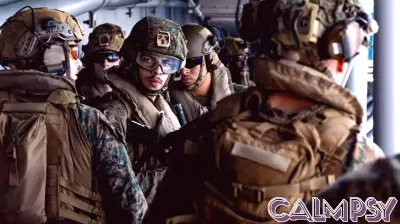
US Military Denies Iranian Allegations of Psychological Pressure on Civilian SailorsThe United States military has pushed back against claims made by an Iranian official who alleged that American forces are subjecting civilian sailors to serious stress and psychological pressure...

October 14, 2026 - 14:18
How Russia Uses Information and Psychological Operations Against UkraineRussia continues to wage a parallel war against Ukraine in the information space, relying on psychological operations designed to intimidate citizens, discredit the authorities, and erode trust in...