Nobel economist explains the dark psychology behind Trump’s inner circle
August 31, 2026 - 22:02
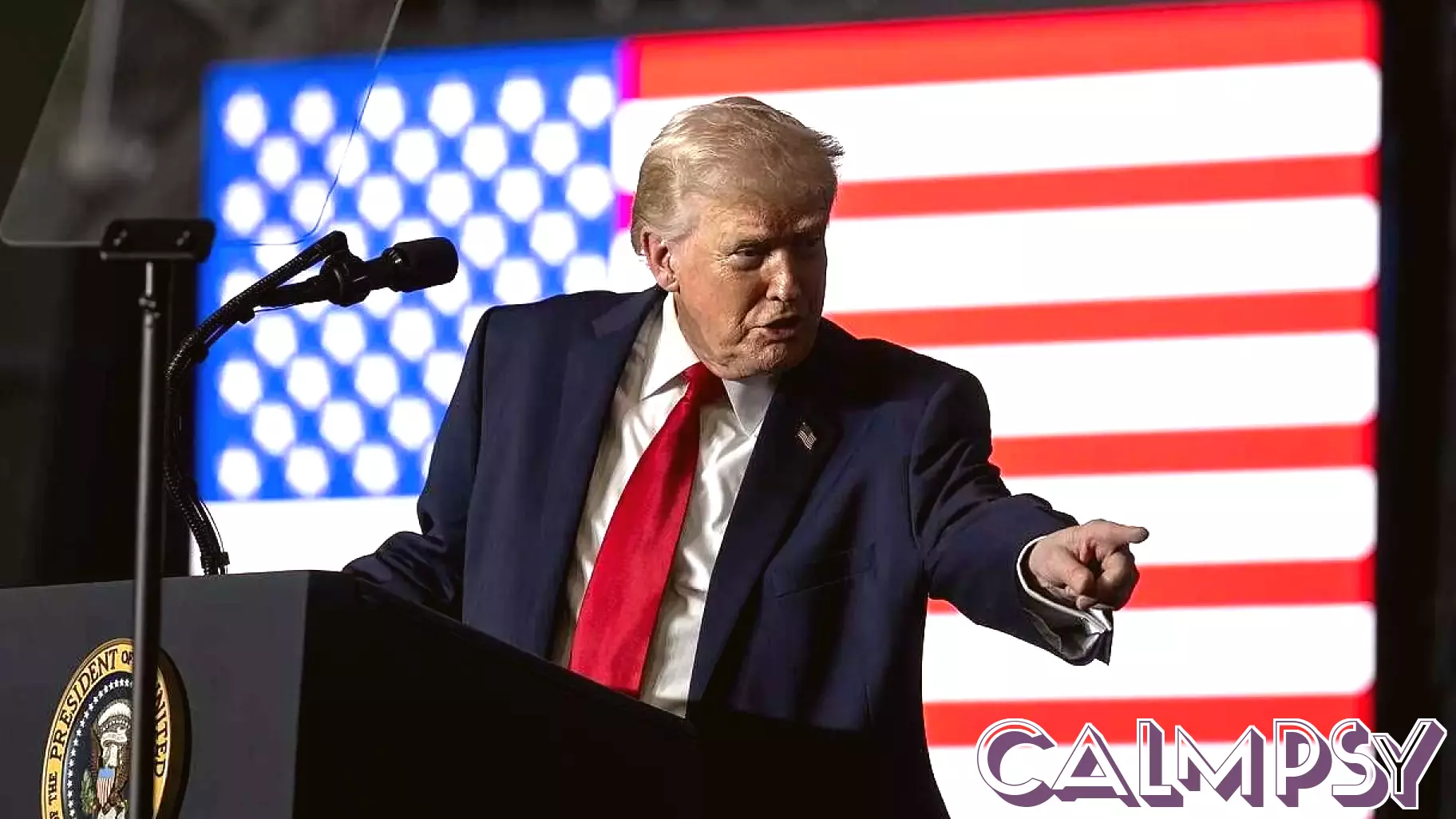
Paul Krugman, the Nobel Prize-winning economist, has offered a blunt psychological reading of Donald Trump's inner circle. In a recent column, Krugman argues that the former president's worldview rests on a simple, grim assumption: every decent motive is a performance. Kindness, compromise, or good faith are never genuine. They are traps.
That lens, Krugman suggests, explains why Trump surrounds himself with people who mirror his own cynicism. Loyalty is not about shared values. It is about who can play the game hardest. Anyone who shows empathy or a willingness to work across the aisle is seen as weak, or worse, as a liar waiting to strike. The result is a closed loop where trust is impossible, and every relationship becomes a transaction.
Krugman points to specific episodes, like the handling of pandemic relief or trade negotiations, where Trump dismissed expert advice as self-serving. In his view, the president projected his own motives onto others. If he would fake concern for political gain, then everyone else must be doing the same. That projection creates a paranoid style of governance, where the loudest accusations often reveal the accuser's own tactics.
The economist is not just talking about personality. He links this mindset to policy failures. When you assume the other side is always faking, you stop listening. You stop gathering information. You double down on your own position, even when evidence mounts against it. That is how you get trade wars that hurt farmers, or pandemic responses that ignore public health experts.
Krugman's core point is that this is not simply rudeness or bluster. It is a coherent, if dark, theory of human nature. And it has real consequences. If you believe everyone is corrupt, you feel justified in being corrupt yourself. If you think every offer is a trap, you never accept a handshake. The inner circle becomes a mirror of that suspicion, and the country pays the price.
MORE NEWS

October 16, 2026 - 00:08
Sensitivity Trait Linked More to Social Cues Than Physical SurroundingsNew research suggests that the personality trait commonly called environmental sensitivity may be poorly named. While the term implies that highly sensitive people are primarily affected by their...
October 15, 2026 - 11:40
Why Financially Secure People Still Feel Guilty at Expensive RestaurantsMany people who can comfortably afford a high-end meal still feel a knot of discomfort when the bill arrives. Psychology offers some explanations for this contradiction, and they often trace back...

October 14, 2026 - 18:30
US Military Denies Iranian Allegations of Psychological Pressure on Civilian SailorsThe United States military has pushed back against claims made by an Iranian official who alleged that American forces are subjecting civilian sailors to serious stress and psychological pressure...
October 14, 2026 - 14:18
How Russia Uses Information and Psychological Operations Against UkraineRussia continues to wage a parallel war against Ukraine in the information space, relying on psychological operations designed to intimidate citizens, discredit the authorities, and erode trust in...