The Universal Drive to Preserve Cultural Heritage
June 13, 2025 - 21:22
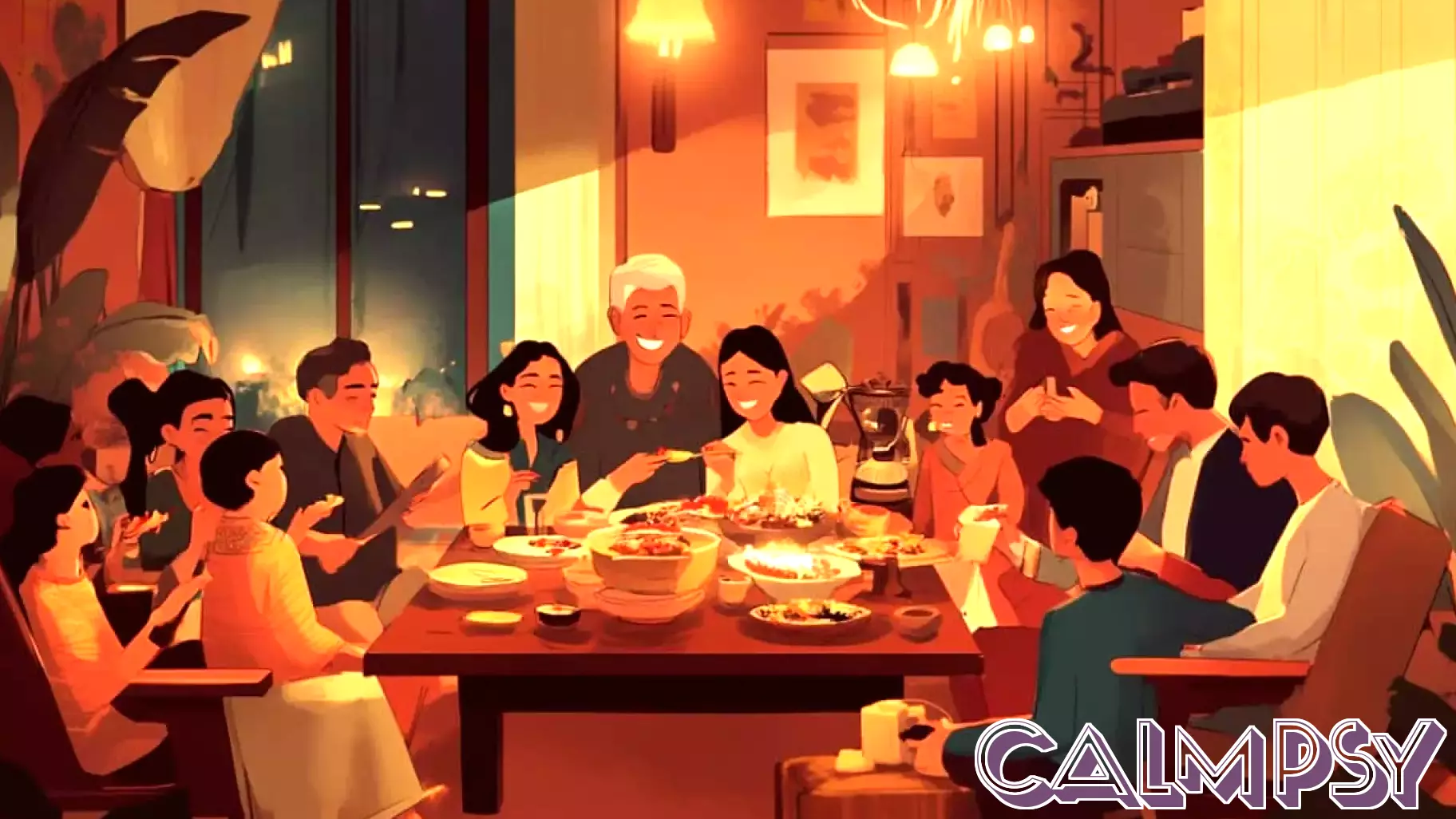
A recent study introduces the cultural continuity hypothesis, which posits that humans possess an innate desire to maintain and transmit vital elements of their culture through generations. This hypothesis suggests that cultural preservation is not merely a choice but rather a fundamental human instinct.
Researchers argue that this drive manifests in various forms, including language, traditions, rituals, and art, all of which serve as vehicles for cultural identity. The study highlights how different societies prioritize the transmission of their cultural heritage, emphasizing the role of storytelling and communal practices in fostering a sense of belonging and continuity.
Furthermore, the findings indicate that this cultural preservation is essential for social cohesion and resilience, particularly in times of change or crisis. By holding onto their cultural roots, communities can navigate challenges while reinforcing their identity and values. As globalization continues to influence cultural landscapes, understanding this intrinsic motivation becomes increasingly important in efforts to protect and celebrate diverse cultural expressions around the world.
MORE NEWS

October 4, 2026 - 22:51
Why the Most Tender-Hearted People Go Completely Silent When You Hurt Them, According to PsychologyYou know that moment when someone you care about just disappears? Not physically, but emotionally. One second you were mid conversation, maybe mid argument, and now there is nothing. No yelling, no...
October 4, 2026 - 06:43
Why Some Children Restart Drawings Until They Look RightA child sits down with a sheet of paper and starts drawing. The first attempt does not look quite the way they imagined it. So they flip the page and begin again. Then again. To a parent watching...
October 3, 2026 - 20:42
Trump's 'stroke' pathways are now 'crossing the brain': psychologistA widely cited psychologist raised concerns on Friday evening about a series of unusual behaviors displayed by President Donald Trump. Dr. John Garrision pointed to what he described as strange and...
October 3, 2026 - 09:31
Psychology says children who turn household objects into toys may have stronger imaginations than parents realiseA banana held to the ear. A saucepan worn as a helmet. A cardboard box turned into a rocket ship. Children everywhere transform ordinary household objects into toys, and parents often brush it off...