The Unequal Impact of Deepfake Abuse on Victims
December 28, 2025 - 23:22
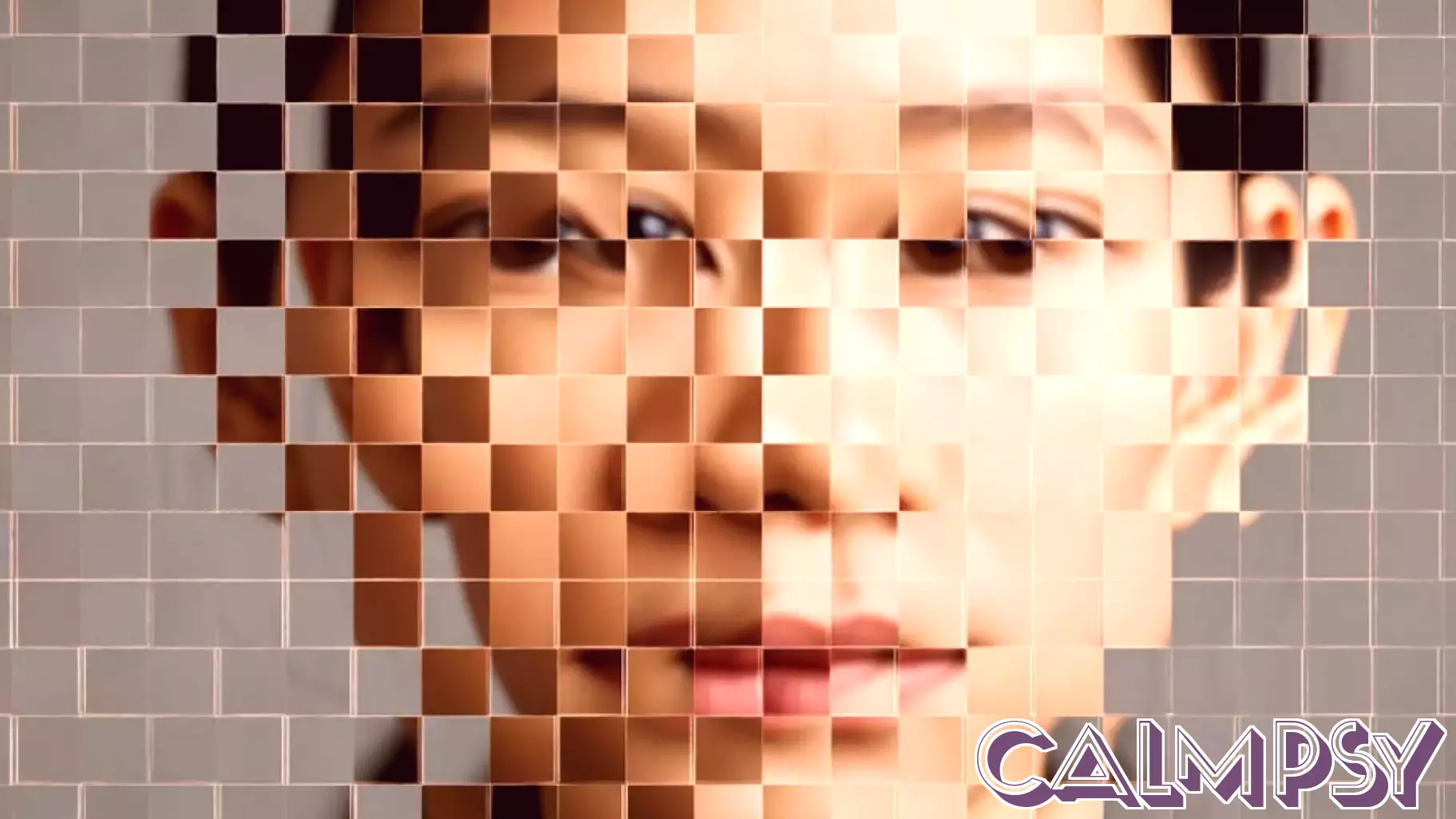
The same abuse can be judged very differently depending on who the victim is. Recent discussions highlight how psychological biases significantly influence our reactions to sexualized deepfake abuse. As technology advances, the creation of deepfake content has become more accessible, leading to an alarming rise in its misuse. Victims of this form of digital harassment often face not only the emotional toll but also societal skepticism regarding their experiences.
Research indicates that societal perceptions can vary widely based on the victim's identity, including their gender, race, and social status. Women, particularly, are disproportionately affected by sexualized deepfakes, yet their experiences are frequently trivialized or dismissed. This disparity raises critical questions about empathy and the societal frameworks that shape our responses to such violations.
The psychological biases at play can lead to victim-blaming and a lack of accountability for perpetrators. As awareness grows, it is essential to foster a more compassionate understanding of the harm caused by deepfakes, ensuring that all victims receive the seriousness and support they deserve.
MORE NEWS

October 4, 2026 - 22:51
Why the Most Tender-Hearted People Go Completely Silent When You Hurt Them, According to PsychologyYou know that moment when someone you care about just disappears? Not physically, but emotionally. One second you were mid conversation, maybe mid argument, and now there is nothing. No yelling, no...
October 4, 2026 - 06:43
Why Some Children Restart Drawings Until They Look RightA child sits down with a sheet of paper and starts drawing. The first attempt does not look quite the way they imagined it. So they flip the page and begin again. Then again. To a parent watching...

October 3, 2026 - 20:42
Trump's 'stroke' pathways are now 'crossing the brain': psychologistA widely cited psychologist raised concerns on Friday evening about a series of unusual behaviors displayed by President Donald Trump. Dr. John Garrision pointed to what he described as strange and...
October 3, 2026 - 09:31
Psychology says children who turn household objects into toys may have stronger imaginations than parents realiseA banana held to the ear. A saucepan worn as a helmet. A cardboard box turned into a rocket ship. Children everywhere transform ordinary household objects into toys, and parents often brush it off...