The Surprising Connection Between Human Stress and Rats' Attraction to Cannabis
December 30, 2025 - 01:04
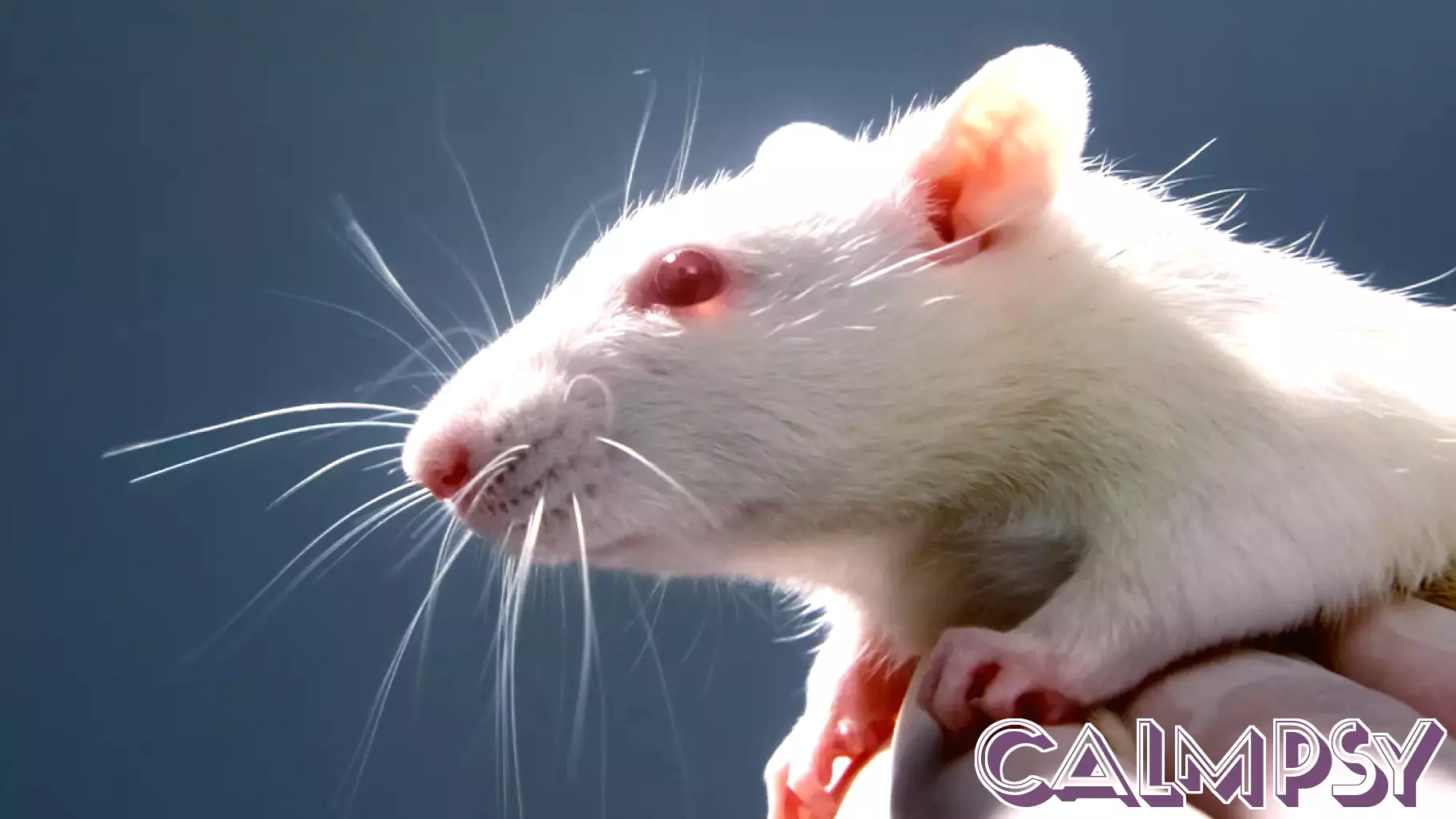
Rats: they’re just like us. Recent research has unveiled a fascinating parallel between human stress responses and the behavior of rats, particularly regarding their attraction to cannabis. Scientists have discovered that when exposed to stressful situations, these rodents show an increased desire to seek out substances that provide relief, including cannabis.
This behavior mirrors the way humans often turn to various coping mechanisms, such as alcohol or recreational drugs, to alleviate stress. The study highlights how both species share similar neurobiological pathways that respond to stress, leading to the search for comfort in psychoactive substances.
The implications of this research extend beyond understanding animal behavior; it raises important questions about the effects of stress on mental health and substance use in humans. By examining the parallels between rats and humans, researchers hope to gain deeper insights into addiction and stress management, ultimately contributing to better therapeutic strategies for both species.
MORE NEWS

October 4, 2026 - 22:51
Why the Most Tender-Hearted People Go Completely Silent When You Hurt Them, According to PsychologyYou know that moment when someone you care about just disappears? Not physically, but emotionally. One second you were mid conversation, maybe mid argument, and now there is nothing. No yelling, no...
October 4, 2026 - 06:43
Why Some Children Restart Drawings Until They Look RightA child sits down with a sheet of paper and starts drawing. The first attempt does not look quite the way they imagined it. So they flip the page and begin again. Then again. To a parent watching...

October 3, 2026 - 20:42
Trump's 'stroke' pathways are now 'crossing the brain': psychologistA widely cited psychologist raised concerns on Friday evening about a series of unusual behaviors displayed by President Donald Trump. Dr. John Garrision pointed to what he described as strange and...
October 3, 2026 - 09:31
Psychology says children who turn household objects into toys may have stronger imaginations than parents realiseA banana held to the ear. A saucepan worn as a helmet. A cardboard box turned into a rocket ship. Children everywhere transform ordinary household objects into toys, and parents often brush it off...