The Secret to Aging Gracefully: Embracing Small Daily Habits
November 17, 2025 - 03:10

Most individuals believe that aging well necessitates significant lifestyle changes, but recent findings reveal that it is the small, consistent habits that truly make a difference. A new survey highlights the importance of daily routines over monumental shifts, suggesting that simple actions can lead to more sustainable and effective aging.
To age gracefully, it’s essential to break down barriers that often discourage people from making changes. Simplifying choices in daily life can lead to better health outcomes and increased well-being. Small adjustments, such as incorporating short walks, practicing mindfulness, or maintaining a balanced diet, can significantly impact overall health.
Moreover, building resilience through these minor habits fosters a positive mindset, which is crucial as one navigates the challenges of aging. By focusing on incremental improvements rather than overwhelming transformations, individuals can cultivate a lifestyle that promotes longevity and vitality, ultimately leading to a more fulfilling life as they age.
MORE NEWS

October 4, 2026 - 22:51
Why the Most Tender-Hearted People Go Completely Silent When You Hurt Them, According to PsychologyYou know that moment when someone you care about just disappears? Not physically, but emotionally. One second you were mid conversation, maybe mid argument, and now there is nothing. No yelling, no...
October 4, 2026 - 06:43
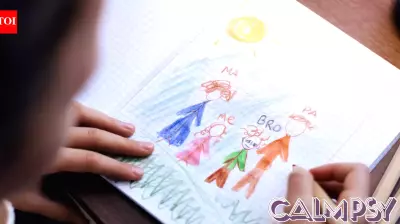
Why Some Children Restart Drawings Until They Look RightA child sits down with a sheet of paper and starts drawing. The first attempt does not look quite the way they imagined it. So they flip the page and begin again. Then again. To a parent watching...

October 3, 2026 - 20:42
Trump's 'stroke' pathways are now 'crossing the brain': psychologistA widely cited psychologist raised concerns on Friday evening about a series of unusual behaviors displayed by President Donald Trump. Dr. John Garrision pointed to what he described as strange and...
October 3, 2026 - 09:31
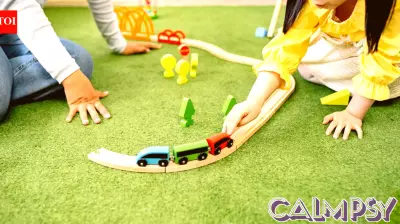
Psychology says children who turn household objects into toys may have stronger imaginations than parents realiseA banana held to the ear. A saucepan worn as a helmet. A cardboard box turned into a rocket ship. Children everywhere transform ordinary household objects into toys, and parents often brush it off...