The Rise of Emotional Bonds Between Humans and AI
April 12, 2025 - 14:05
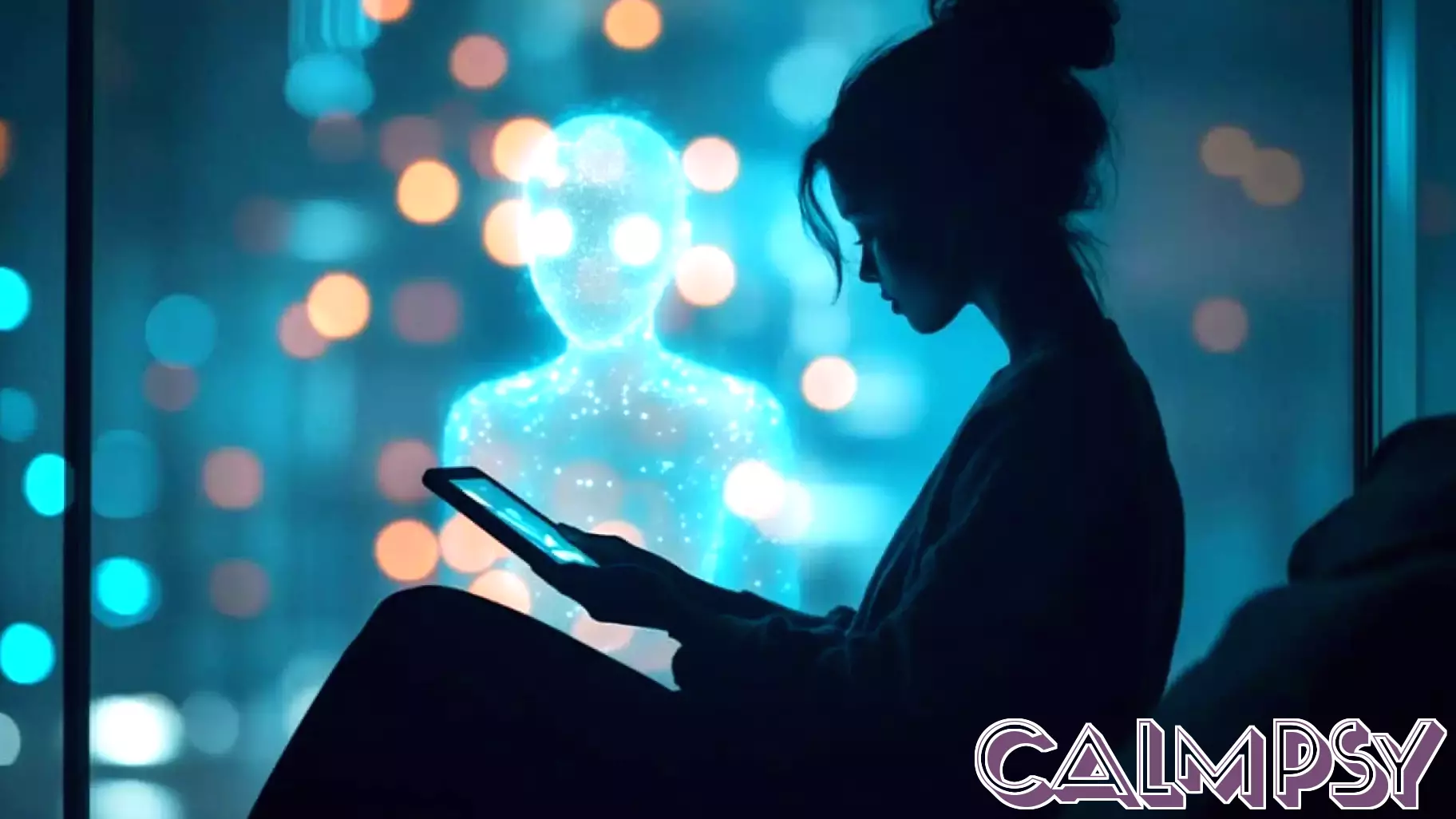
As AI technologies grow more human-like, some individuals are forging deep, long-term emotional connections with them, even entering into non-legally binding marriages. This phenomenon raises significant ethical questions about the nature of love, companionship, and the boundaries of technology in our personal lives.
Proponents argue that these relationships can provide emotional support and companionship, particularly for those who may struggle with traditional human relationships. They highlight the potential for AI to understand and respond to human emotions in ways that can be comforting and fulfilling.
However, critics express concern over the implications of such bonds. They question whether AI can genuinely reciprocate feelings or if these relationships are merely projections of human desires. Additionally, there are worries about the potential for dependency on AI for emotional fulfillment, which could affect social interactions and mental health.
As society navigates this complex landscape, it will be crucial to establish ethical guidelines that address the implications of human-AI relationships and ensure that technology enhances rather than detracts from genuine human connections.
MORE NEWS

October 4, 2026 - 22:51
Why the Most Tender-Hearted People Go Completely Silent When You Hurt Them, According to PsychologyYou know that moment when someone you care about just disappears? Not physically, but emotionally. One second you were mid conversation, maybe mid argument, and now there is nothing. No yelling, no...
October 4, 2026 - 06:43
Why Some Children Restart Drawings Until They Look RightA child sits down with a sheet of paper and starts drawing. The first attempt does not look quite the way they imagined it. So they flip the page and begin again. Then again. To a parent watching...

October 3, 2026 - 20:42
Trump's 'stroke' pathways are now 'crossing the brain': psychologistA widely cited psychologist raised concerns on Friday evening about a series of unusual behaviors displayed by President Donald Trump. Dr. John Garrision pointed to what he described as strange and...
October 3, 2026 - 09:31
Psychology says children who turn household objects into toys may have stronger imaginations than parents realiseA banana held to the ear. A saucepan worn as a helmet. A cardboard box turned into a rocket ship. Children everywhere transform ordinary household objects into toys, and parents often brush it off...