The Psychology of Writing a Serial Killer
March 24, 2026 - 04:46
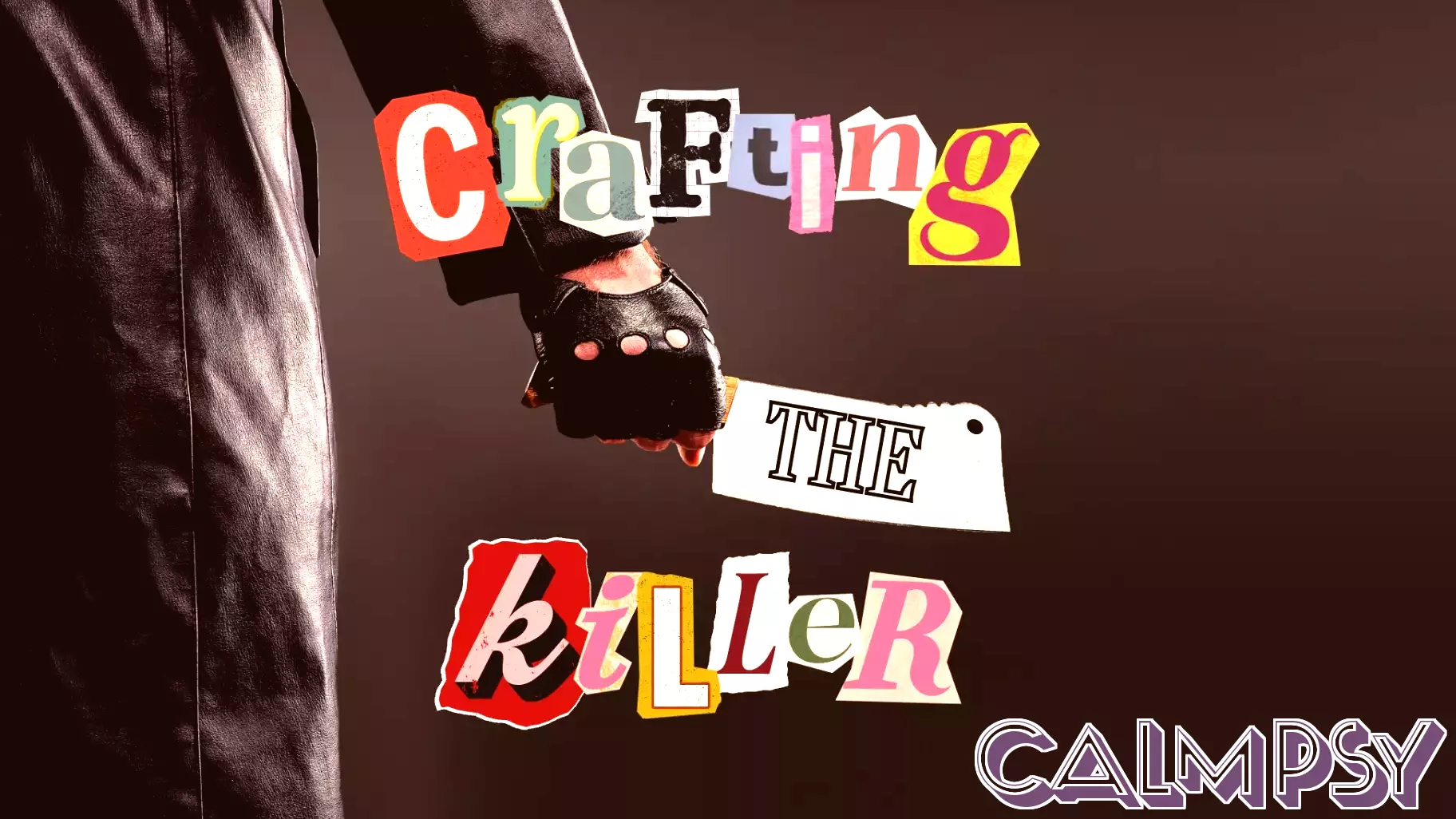
To write convincingly from the perspective of a serial killer, you must spend time inside a mindset most people instinctively avoid. That profound discomfort, however, reveals fundamental truths about how people justify their actions, even the most horrific ones. When I began writing my own narrative, shock value was never the goal. I wasn't interested in crafting a story defined by graphic violence alone.
The true challenge lies in understanding the internal logic, the warped worldview that allows a character to compartmentalize their humanity. This exploration forces a writer to ask difficult questions about nature versus nurture, the fragility of empathy, and the societal shadows that create monsters. It's a study in contradiction—how charm can mask predation, and how a person can function in daylight while harboring profound darkness.
This process is less about glorification and more about psychological excavation. By tracing the pathways of a fictional killer's thoughts, we inadvertently map the boundaries of our own morality. The exercise compels us to consider what breaks inside a person, and what societal failures might allow such brokenness to fester and turn lethal. The result aims not to terrify with gore, but to unsettle with recognition—the chilling fact that these minds are built from the same materials as our own, just assembled in a tragically different order.
MORE NEWS

November 5, 2026 - 05:42
The Psychological Appeal of Reality TV DramaReality TV drama has captivated audiences for years, but what makes us so drawn to it? A therapist sheds light on this phenomenon, explaining that our fascination often stems from a desire for...

November 4, 2026 - 04:07
Remembering Estelle Jasnoff-Chunn: A Passionate Psychologist and Lifelong LearnerLong before sunrise, the lights would be on as Estelle Jasnoff-Chunn studied and wrote papers. Her dedication to psychology was evident from an early age. At Temple University, she not only pursued...

November 3, 2026 - 10:54
Rethinking the Marshmallow Test: Home Environment May Matter More Than WillpowerImagine placing one marshmallow in front of a four-year-old and telling them they can eat it now or wait until an adult returns to receive a second one. Some children wait patiently. Others grab...

November 2, 2026 - 23:27
Walking With Hands Behind Your Back: What Psychology Actually SaysA recent viral claim suggests that people who walk with their hands clasped behind their back are not acting out of habit but are deliberately promoting reflection and calmness. The posts frame the...