The psychology of preventing crime through environmental design
August 6, 2026 - 06:10
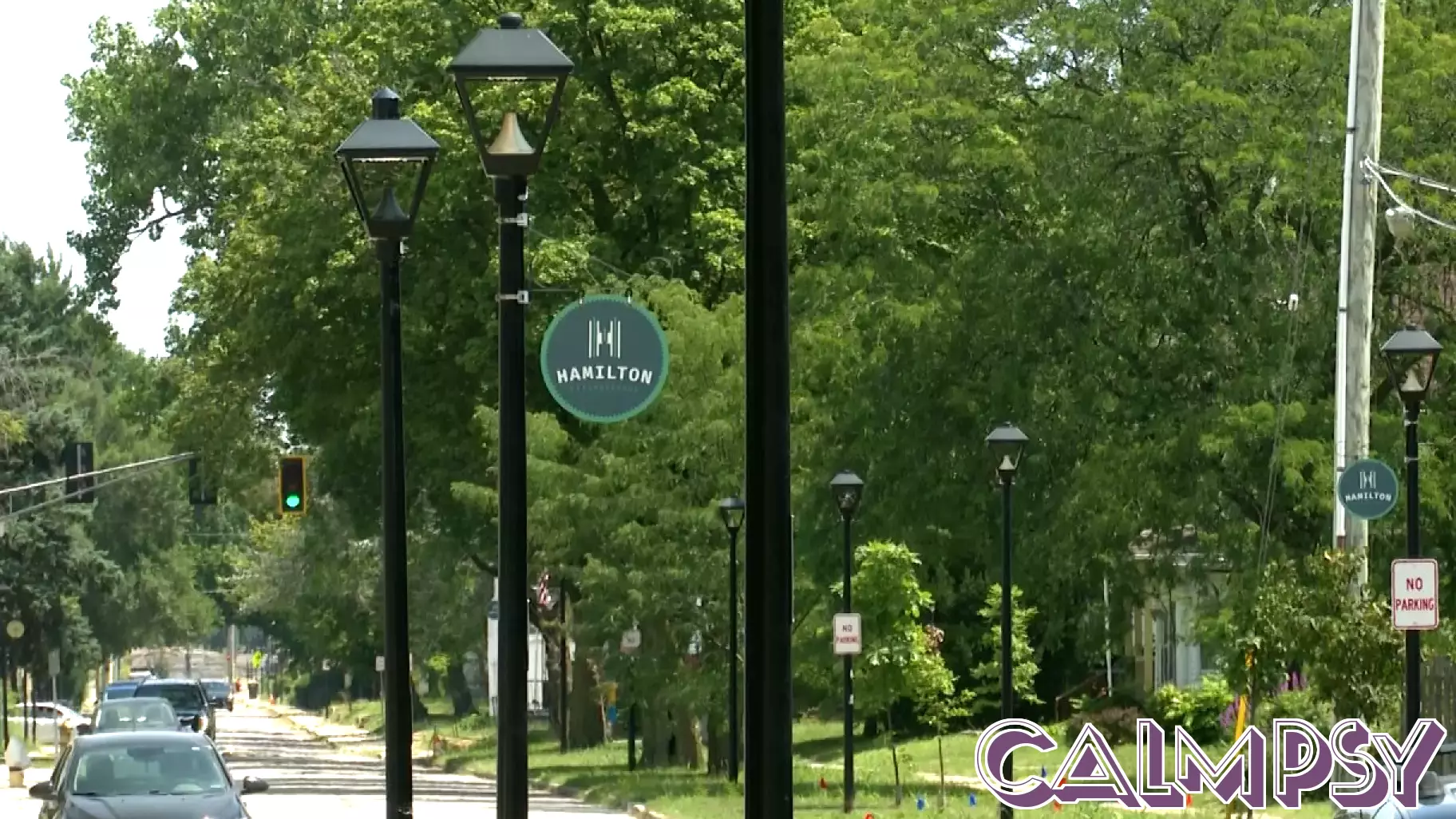
Cities are not just collections of buildings and streets. They are psychological landscapes that shape how people feel, act, and interact. This idea sits at the core of a growing movement in urban planning: using environmental design to prevent crime before it happens. The concept is simple yet profound. The physical environment influences our behavior, often in ways we do not consciously notice.
The approach, sometimes called Crime Prevention Through Environmental Design, or CPTED, is not about adding more police or cameras. Instead, it focuses on how spaces are laid out. A well-lit path with clear sightlines discourages lurking. A park with open views and active entrances invites use during the day, which naturally reduces the chance of trouble at night. A building with visible windows facing the street creates a sense of natural surveillance. People are less likely to commit crimes when they feel they are being watched, even if no one is actually looking at that exact moment.
This is not just about lighting or fences. It is about creating a sense of ownership and territoriality. When a space feels cared for, with maintained gardens, clean sidewalks, and clear boundaries between public and private areas, it sends a message. It says that someone is paying attention, that this place matters. That simple signal can change the calculus of a potential offender.
The design also works on a deeper level. Narrow alleys, hidden corners, and confusing layouts create anonymity and fear. They make people feel vulnerable, so they avoid those areas. That avoidance leaves the space even more empty and unsupervised, which makes it more attractive for illegal activity. It becomes a downward spiral. Good design flips this. It creates a sense of safety that draws people in. More foot traffic means more eyes on the street, which means fewer opportunities for crime.
Of course, design is not a magic bullet. It cannot solve deep social problems like poverty or inequality. But it is a powerful tool that has been proven to work in many cities. Planners are now looking at everything from the height of hedges to the placement of bus stops with this lens. The goal is not to build fortresses, but to build neighborhoods that feel natural and safe. When a city pays attention to these small details, it is not just designing buildings. It is designing trust. And trust, it turns out, is one of the best crime deterrents we have.
MORE NEWS

September 20, 2026 - 04:34
A Simple Morning and Evening Habit That Can Lead to Happier DaysA psychologist has highlighted a straightforward daily routine that may help people experience more satisfying and joyful days. The habit centers on two brief moments of reflection, one in the...

September 19, 2026 - 15:46
Psychology explains why people turn down the music when looking for an address and how the brain respondsDrivers often reach for the volume knob when they are searching for an unfamiliar address, turning the music down even though the sound has nothing to do with reading street signs. Psychology...

September 18, 2026 - 22:57
Psychology says parents who continue their own parents’ traditions with their children may be passing downFamily rituals can give everyday life a reassuring sense of continuity. A birthday might always begin with the same special breakfast, Friday evenings may revolve around a favorite meal, and every...

September 18, 2026 - 04:47
Why You Shed Years the Moment You Walk Into Your Parents' HouseYou drive hours to visit family, step through the front door, and within minutes something shifts. Your posture changes. Your voice takes on an old cadence. You argue about chores, roll your eyes...