The psychology of climate change
April 28, 2026 - 03:43
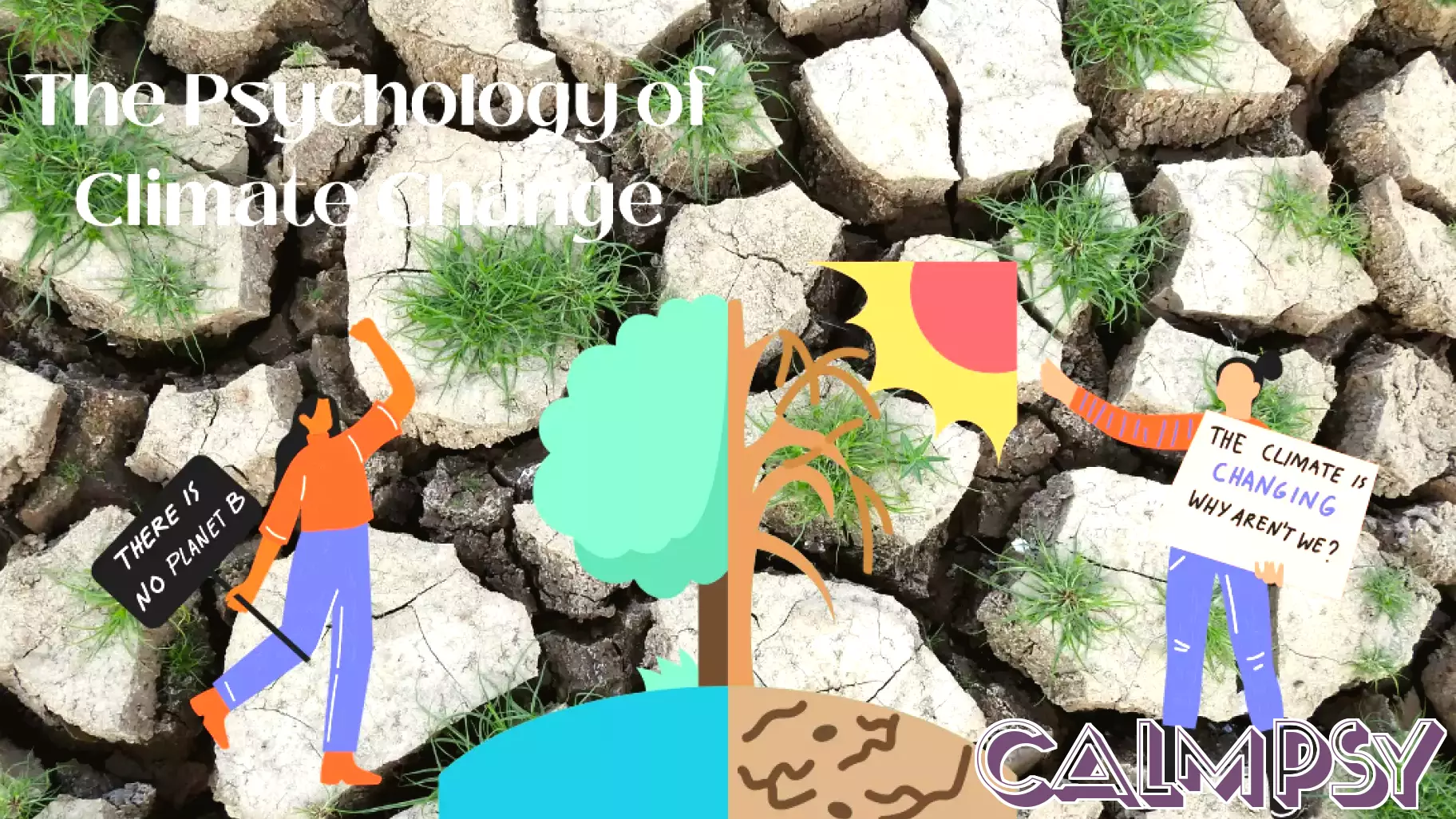
For decades, climate change has been framed as a colossal, nearly insurmountable challenge—a modern-day David-versus-Goliath struggle requiring heroic sacrifice to overcome. Yet, to the dismay of scientists and activists, simply repeating dire warnings of an impending climate doomsday has proven remarkably ineffective. The strategy of scaring the public into action has largely fallen short, failing to steer the majority toward sustainable behaviors or support for necessary policies.
This failure points to a profound psychological disconnect. There exists a huge cognitive and emotional gap between the abstract, long-term threat of global warming and the immediate, tangible concerns of daily life. The human brain is wired to prioritize immediate threats—a growling predator, a looming deadline—over distant, diffuse ones. Climate change, with its slow-moving, statistical nature, fails to trigger our primal fight-or-flight response. Furthermore, the sheer scale of the problem can induce a sense of helplessness. When individuals feel their personal actions are insignificant compared to global emissions, they are more likely to disengage entirely, a phenomenon known as "learned helplessness."
Another critical factor is the role of identity and social norms. People often filter information through the lens of their cultural or political group. Accepting the urgency of climate action can feel like a betrayal of one’s social identity, leading to motivated reasoning and denial. To bridge this gap, experts suggest shifting the narrative away from fear and guilt. Instead, focusing on immediate co-benefits—such as cleaner air, energy savings, and community resilience—can make the issue feel relevant and actionable. By understanding these deep-seated psychological barriers, we can move beyond simply repeating the problem and start crafting messages that genuinely resonate with how people think and feel.
MORE NEWS

October 24, 2026 - 22:21
How Fan Psychology Drives Taylor Swift's Billion-Dollar SuccessThe intense, one-sided connections fans feel toward Taylor Swift and their fear of missing out strongly predict whether they will attend her concerts and movies, highlighting how the psychological...

October 24, 2026 - 07:08
Psychology says people who always arrive early may have a distinct way of dealing with uncertainty; what punctuality reveals about control, responsibility and stressThere is always someone who reaches the airport hours before departure, arrives at a restaurant before the rest of the group or leaves home early enough to account for traffic, parking and an...

October 23, 2026 - 22:50
Halloween means scary fun. But what's the psychology behind the joy of fearA USF psychology doctoral student is researching how fear can bring people together, using haunted houses as a key part of her studies. Tara Perreault studies the way shared scary experiences...

October 23, 2026 - 15:25
Psychology says parents who read bedtime stories every night may be building more than a love of books, language skills and healthy routinesFor many families, bedtime follows a familiar pattern. Teeth are brushed, a favourite book comes out, and a child settles beside a parent to hear a story they may already know by heart. According...