The Psychological Implications of Assisting Waitstaff with Table Cleaning
September 23, 2025 - 20:28
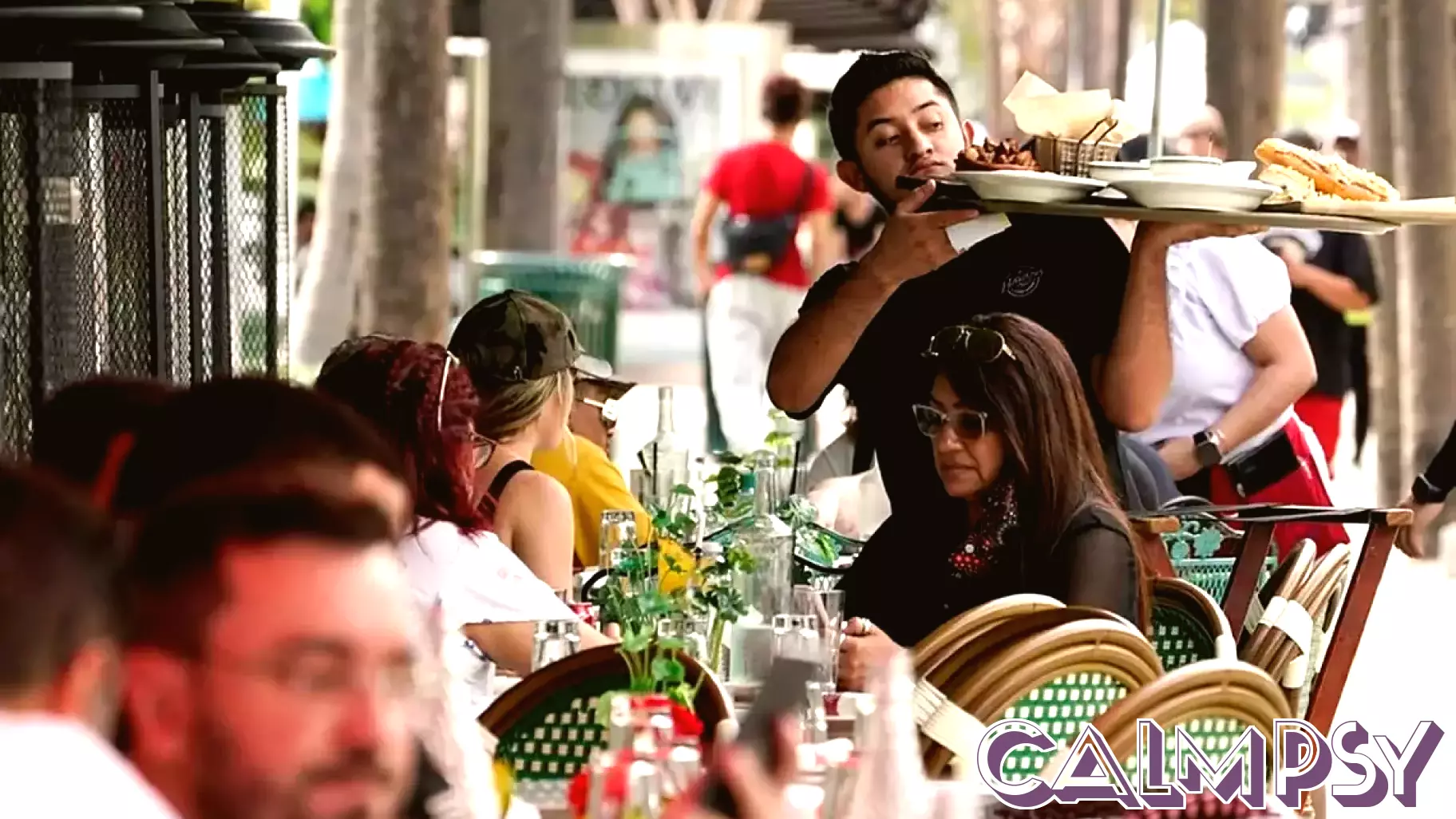
Although not everyone does it, it is common to see someone at the table pick up napkins, stack plates, or gather cutlery to make the waiter's job easier. At first glance, this behavior may seem like a simple act of kindness or courtesy, but psychology suggests that it carries deeper meanings.
Assisting waitstaff can reflect an individual's social awareness and empathy, showcasing a desire to alleviate the burdens of others. This behavior may also stem from cultural norms where helping others is encouraged, fostering a sense of community and cooperation. Additionally, it can signify a person's understanding of social roles, as they recognize the demands placed on service workers and choose to lighten their load.
Moreover, this act can enhance the diner's own experience, as it may create a positive atmosphere and improve interactions with the waitstaff. Ultimately, helping with table cleaning is not just about practicality; it is a complex interplay of social dynamics, empathy, and shared responsibility in communal dining experiences.
MORE NEWS

October 4, 2026 - 22:51
Why the Most Tender-Hearted People Go Completely Silent When You Hurt Them, According to PsychologyYou know that moment when someone you care about just disappears? Not physically, but emotionally. One second you were mid conversation, maybe mid argument, and now there is nothing. No yelling, no...
October 4, 2026 - 06:43
Why Some Children Restart Drawings Until They Look RightA child sits down with a sheet of paper and starts drawing. The first attempt does not look quite the way they imagined it. So they flip the page and begin again. Then again. To a parent watching...

October 3, 2026 - 20:42
Trump's 'stroke' pathways are now 'crossing the brain': psychologistA widely cited psychologist raised concerns on Friday evening about a series of unusual behaviors displayed by President Donald Trump. Dr. John Garrision pointed to what he described as strange and...
October 3, 2026 - 09:31
Psychology says children who turn household objects into toys may have stronger imaginations than parents realiseA banana held to the ear. A saucepan worn as a helmet. A cardboard box turned into a rocket ship. Children everywhere transform ordinary household objects into toys, and parents often brush it off...