The Psychological Impact of Silence in Conflict Situations
August 11, 2025 - 04:31

In many interpersonal situations, individuals often choose silence over confrontation, a behavior that can have profound psychological implications. According to experts, consistently opting for quietness to avoid conflict may stem from a learned response, often developed in childhood or through past experiences. While this approach might seem like a way to maintain peace, it can lead to feelings of resentment, frustration, and a diminished sense of self-worth.
Individuals who habitually remain silent during disagreements may find it challenging to express their needs and desires. This pattern can create an imbalance in relationships, where one party feels unheard and the other feels compelled to suppress their own opinions. Over time, this can erode trust and intimacy, leading to deeper issues in personal and professional connections.
The encouraging aspect is that this behavior is not set in stone. With self-awareness and practice, individuals can learn to assert themselves more effectively, fostering healthier communication and more fulfilling relationships. Embracing open dialogue can ultimately lead to greater emotional resilience and stronger connections with others.
MORE NEWS

October 4, 2026 - 22:51
Why the Most Tender-Hearted People Go Completely Silent When You Hurt Them, According to PsychologyYou know that moment when someone you care about just disappears? Not physically, but emotionally. One second you were mid conversation, maybe mid argument, and now there is nothing. No yelling, no...
October 4, 2026 - 06:43
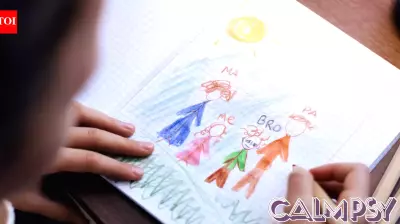
Why Some Children Restart Drawings Until They Look RightA child sits down with a sheet of paper and starts drawing. The first attempt does not look quite the way they imagined it. So they flip the page and begin again. Then again. To a parent watching...

October 3, 2026 - 20:42
Trump's 'stroke' pathways are now 'crossing the brain': psychologistA widely cited psychologist raised concerns on Friday evening about a series of unusual behaviors displayed by President Donald Trump. Dr. John Garrision pointed to what he described as strange and...
October 3, 2026 - 09:31
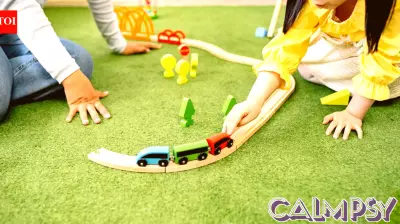
Psychology says children who turn household objects into toys may have stronger imaginations than parents realiseA banana held to the ear. A saucepan worn as a helmet. A cardboard box turned into a rocket ship. Children everywhere transform ordinary household objects into toys, and parents often brush it off...