The One Phrase That Explains Trump's Twisted Psychology
April 2, 2026 - 17:50
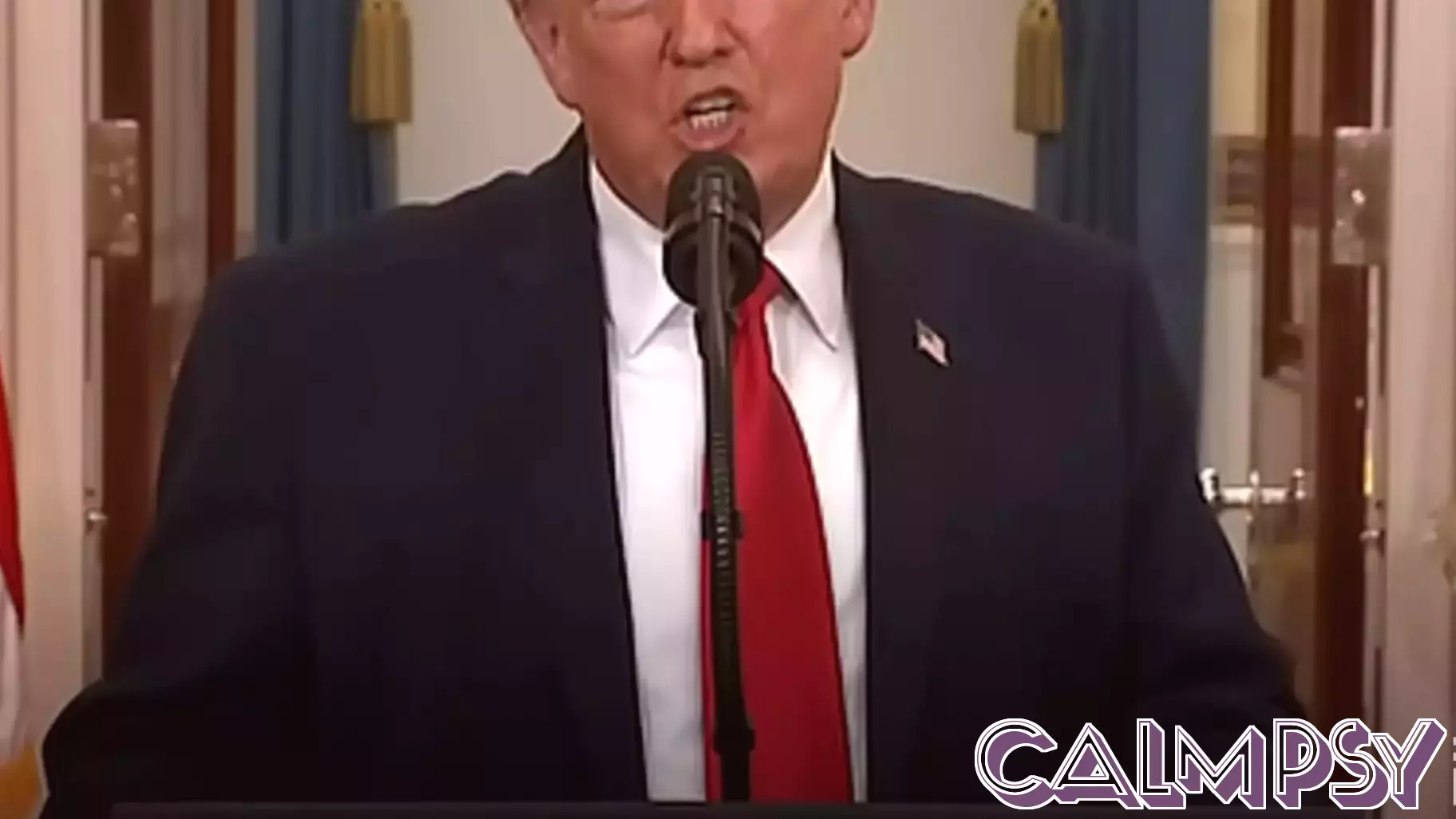
A recent analysis delves into the psychological drivers behind a particular leader's decision-making, suggesting a profound inability to view the world through any lens but his own. The critique centers not on a simple lack of empathy, but on a specific and distorted worldview where all other people exist solely as an audience.
This perspective is characterized by an obsessive focus on the gaze of the crowd. The ultimate measure of any action, in this view, is whether it is seen and by how many. The highest praise becomes the declaration that "we've never seen anything like it before." This mantra peppers ad-libbed speeches, where victories, military operations, and policy outcomes are consistently framed as unprecedented spectacles that leave the world in awe.
The picture painted is one where entire nations and the global community are perpetual spectators, slack-jawed at the unfolding drama. It is the perspective of an individual for whom existence is validated only by observation, and for whom quality is measured by spectacle. This mindset is seen as a toxic byproduct of a lifelong, all-consuming pursuit of fame and admiration, elevated to a terrifying political extreme.
Beneath the relentless bravado, analysts detect a deep well of insecurity, often manifested in a preoccupation with being mocked or laughed at. The fear of ridicule appears to be a powerful motivator, underscoring a fragility that demands constant reinforcement through claims of universal admiration. The result is a leadership style perpetually performing for an imagined audience of awestruck onlookers, a need that fundamentally shapes both rhetoric and action. The world is indeed watching, but often with concern rather than the wonder he insists upon.
MORE NEWS

October 2, 2026 - 19:11
Small Daily Practice May Improve Wellbeing in SecondsPsychologist Eli Susman researched different techniques for improving wellbeing and discovered it doesn`t take long to feel better. His findings suggest that a brief daily practice, sometimes...

October 2, 2026 - 07:01
'Deeply sorry': Psychology groups apologise for racism towards MāoriTwo professional psychology organisations have issued a formal apology to Maori for the harm caused by racism within the discipline of psychology. The statement acknowledges decades of practices...

October 1, 2026 - 22:44
Maria Abbott Sets Ambitious Goals for Her FutureMaria Abbott has always been a planner. As far back as the sixth grade, she began charting her university education and career, committing her big dreams to a notebook that became a map for her...

October 1, 2026 - 01:52
Women Exit Psychology Research at Higher Rates Than Men, Study FindsWomen enter academic psychology in greater numbers than men, yet they leave research at notably higher rates, especially during the early stages of their careers. This pattern emerges from new...