How Psychology Helped Me Recover From the Worst Year of My Life
May 19, 2026 - 02:17
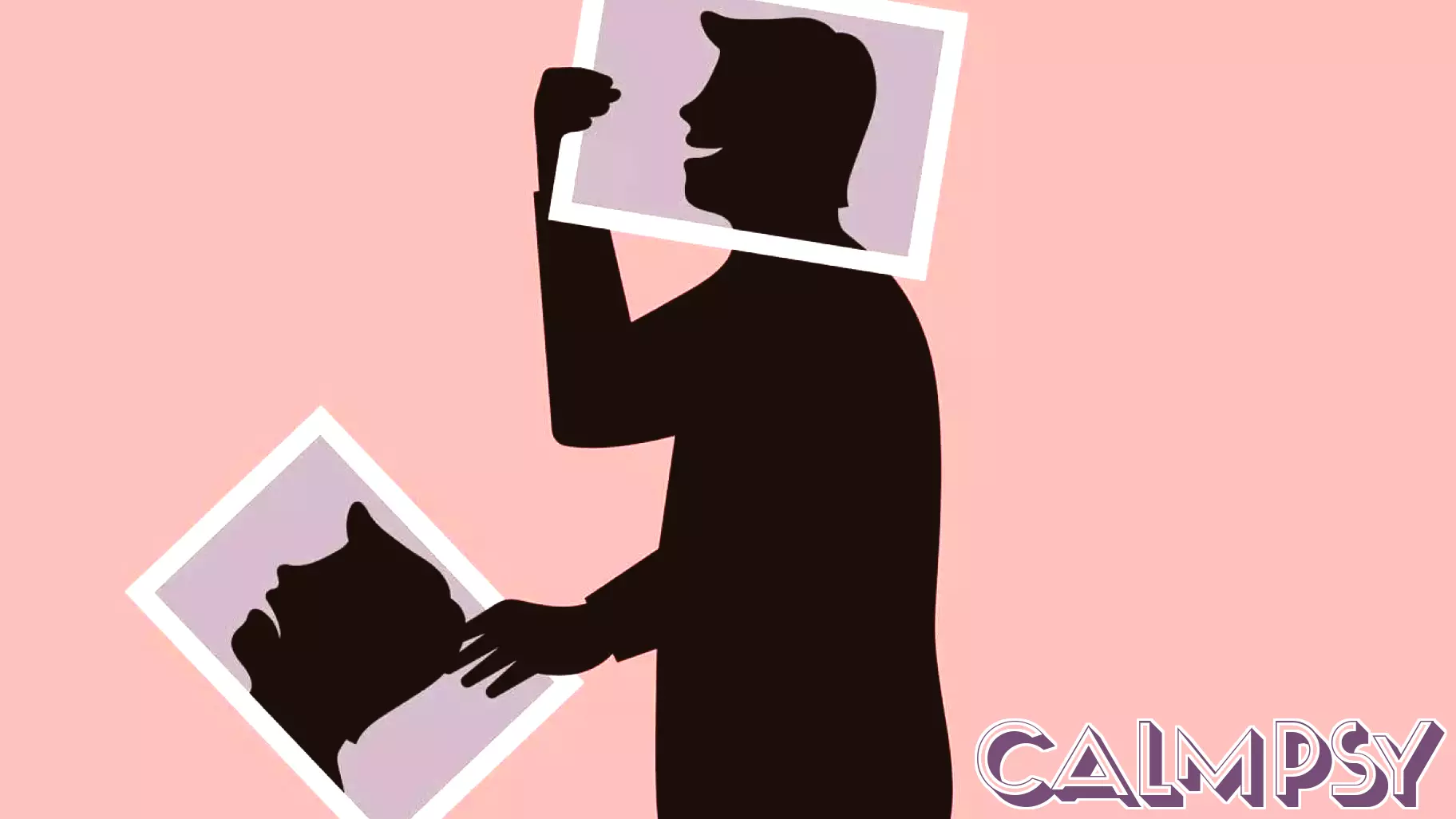
Work problems, serious illness, divorce. Life throws stressors at us that we cannot control. For many people, these events pile up and create a sense of hopelessness. But recent research in psychology is uncovering new ways to face these challenges and find hope instead of despair.
I learned this the hard way. Last year, I lost my job, went through a painful separation, and watched a close family member struggle with a health crisis. Each day felt heavier than the last. I stopped sleeping well. I stopped answering calls from friends. I felt like I was drowning.
Then I started applying some basic psychological principles that I had read about years ago but never truly used. The first was cognitive reframing. Instead of telling myself that everything was falling apart, I forced myself to look for small things I could control. I made my bed every morning. I took a ten minute walk. I wrote down one thing I was grateful for, even if it felt fake at first.
The second principle was behavioral activation. Depression makes you want to withdraw, but withdrawal makes depression worse. So I made myself do things even when I did not feel like it. I called one friend per week. I went to a coffee shop and sat there for twenty minutes. Slowly, the action came before the motivation, not the other way around.
The third thing was social connection. I had isolated myself because I felt ashamed of my situation. But research shows that sharing your struggles with trusted people reduces the intensity of pain. I told a few close friends exactly what was happening. They did not try to fix me. They just listened. That alone made a difference.
None of this happened overnight. There were setbacks. Some days I still felt terrible. But over time, the small habits built up. I started to see that my worst year did not have to define me. Psychology did not erase my problems. It gave me tools to carry them differently. And that made all the difference.
MORE NEWS

October 1, 2026 - 01:52
Women Exit Psychology Research at Higher Rates Than Men, Study FindsWomen enter academic psychology in greater numbers than men, yet they leave research at notably higher rates, especially during the early stages of their careers. This pattern emerges from new...

September 30, 2026 - 05:20
The Mental Habit Behind Wiping the Kitchen Slab Right After CookingIn many Indian homes, the day ends in the kitchen. The last roti is served, the gas is turned off, and then comes a small ritual: using a damp cloth, a few firm strokes across the slab, and a final...

September 29, 2026 - 20:44
The psychology behind 'dopamine sites'Digital platforms known as dopamine sites allow users to mimic the experience of purchasing high-end fashion, ordering midnight snacks, or even taking a virtual cigarette break, all without any...
September 29, 2026 - 07:23
Psychology Assistant Role Plan Dropped After BacklashThe Australian Health Practitioner Regulation Agency has confirmed it will not move forward with a proposed psychology assistant workforce role, at least for the time being. The decision follows...