The Importance of Validation in Resolving Conflicts Among Couples
January 16, 2025 - 05:03

Validation is often misunderstood as mere praise or approval; however, it goes much deeper. At its core, validation involves recognizing and acknowledging the feelings and experiences of another person as legitimate and real. This concept is particularly vital in the context of relationships, where conflicts are inevitable.
According to experts, successful couples utilize validation as a powerful tool to navigate disagreements. By validating each other's emotions, partners create an environment of trust and understanding. This practice fosters open communication, allowing both individuals to express their feelings without fear of being dismissed or judged.
When couples prioritize validation, they can diffuse tension and promote empathy. Instead of focusing on winning an argument, they learn to appreciate each other's perspectives. This shift not only helps in resolving conflicts but also strengthens the emotional bond between partners. Ultimately, embracing validation can lead to healthier, more resilient relationships, making it an essential skill for couples to cultivate.
MORE NEWS

October 4, 2026 - 22:51
Why the Most Tender-Hearted People Go Completely Silent When You Hurt Them, According to PsychologyYou know that moment when someone you care about just disappears? Not physically, but emotionally. One second you were mid conversation, maybe mid argument, and now there is nothing. No yelling, no...
October 4, 2026 - 06:43
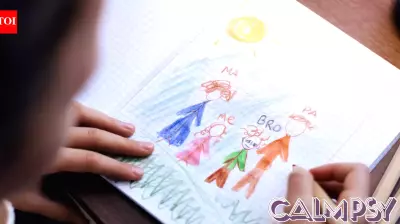
Why Some Children Restart Drawings Until They Look RightA child sits down with a sheet of paper and starts drawing. The first attempt does not look quite the way they imagined it. So they flip the page and begin again. Then again. To a parent watching...

October 3, 2026 - 20:42
Trump's 'stroke' pathways are now 'crossing the brain': psychologistA widely cited psychologist raised concerns on Friday evening about a series of unusual behaviors displayed by President Donald Trump. Dr. John Garrision pointed to what he described as strange and...
October 3, 2026 - 09:31
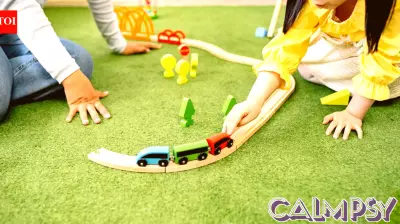
Psychology says children who turn household objects into toys may have stronger imaginations than parents realiseA banana held to the ear. A saucepan worn as a helmet. A cardboard box turned into a rocket ship. Children everywhere transform ordinary household objects into toys, and parents often brush it off...