The Impact of Peak Moments and Conclusions on Love
December 8, 2024 - 14:37

Does a happy ending make everything perfect and a bad one make everything terrible? The concept of the "Peak-End Rule" suggests that our memories of experiences, including romantic relationships, are heavily influenced by their most intense moments and their conclusions. This psychological principle posits that individuals tend to judge an entire experience based on how it felt at its peak and at its end, rather than considering the entirety of the experience.
In the realm of love, this means that a relationship filled with joyful highs but marred by a painful breakup may be remembered more negatively than it deserves. Conversely, a relationship that ends on a high note, despite having its share of low moments, might be recalled fondly. This cognitive bias can lead people to overlook the nuances of their relationships, focusing instead on these pivotal moments that shape their overall perceptions. Understanding this phenomenon can provide valuable insights into how we evaluate our romantic experiences and the importance of fostering positive memories throughout the relationship journey.
MORE NEWS

October 4, 2026 - 22:51
Why the Most Tender-Hearted People Go Completely Silent When You Hurt Them, According to PsychologyYou know that moment when someone you care about just disappears? Not physically, but emotionally. One second you were mid conversation, maybe mid argument, and now there is nothing. No yelling, no...
October 4, 2026 - 06:43
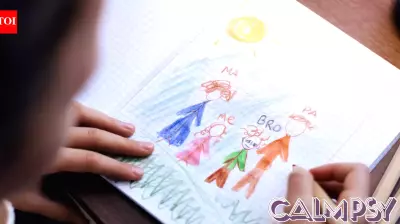
Why Some Children Restart Drawings Until They Look RightA child sits down with a sheet of paper and starts drawing. The first attempt does not look quite the way they imagined it. So they flip the page and begin again. Then again. To a parent watching...

October 3, 2026 - 20:42
Trump's 'stroke' pathways are now 'crossing the brain': psychologistA widely cited psychologist raised concerns on Friday evening about a series of unusual behaviors displayed by President Donald Trump. Dr. John Garrision pointed to what he described as strange and...
October 3, 2026 - 09:31
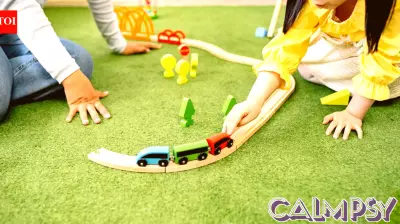
Psychology says children who turn household objects into toys may have stronger imaginations than parents realiseA banana held to the ear. A saucepan worn as a helmet. A cardboard box turned into a rocket ship. Children everywhere transform ordinary household objects into toys, and parents often brush it off...