The Impact of Architectural Design on Public Trust and Civic Pride
January 29, 2025 - 09:42

Samuvel Benhursha, a prominent architectural designer and thought leader, recently shared insights on the influence of building design on human psychology and civic pride. In a conversation with Jack Bradley, he addressed President Donald Trump’s executive order aimed at enhancing the aesthetic appeal of federal civil architecture. Benhursha emphasized that the design of public buildings plays a crucial role in shaping citizens' perceptions of their government and institutions.
He argued that well-designed architecture not only beautifies the environment but also fosters a sense of pride among the populace. By respecting and incorporating elements of the United States' classical architectural heritage, Benhursha believes that public institutions can strengthen trust and engagement with citizens. The conversation highlighted the importance of thoughtful architectural practices in promoting a positive relationship between the public and their government, ultimately reinforcing the value of civic identity and community pride.
MORE NEWS

October 4, 2026 - 22:51
Why the Most Tender-Hearted People Go Completely Silent When You Hurt Them, According to PsychologyYou know that moment when someone you care about just disappears? Not physically, but emotionally. One second you were mid conversation, maybe mid argument, and now there is nothing. No yelling, no...
October 4, 2026 - 06:43
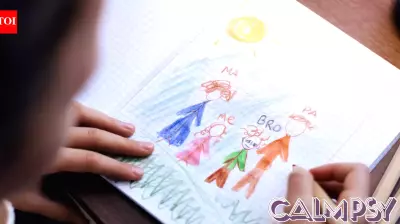
Why Some Children Restart Drawings Until They Look RightA child sits down with a sheet of paper and starts drawing. The first attempt does not look quite the way they imagined it. So they flip the page and begin again. Then again. To a parent watching...

October 3, 2026 - 20:42
Trump's 'stroke' pathways are now 'crossing the brain': psychologistA widely cited psychologist raised concerns on Friday evening about a series of unusual behaviors displayed by President Donald Trump. Dr. John Garrision pointed to what he described as strange and...
October 3, 2026 - 09:31
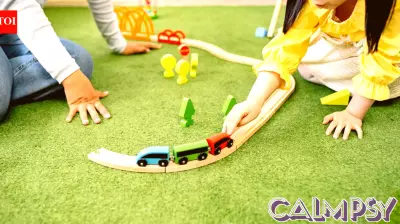
Psychology says children who turn household objects into toys may have stronger imaginations than parents realiseA banana held to the ear. A saucepan worn as a helmet. A cardboard box turned into a rocket ship. Children everywhere transform ordinary household objects into toys, and parents often brush it off...