The Hidden Psychology Behind Your Grocery Bill
March 17, 2026 - 02:46
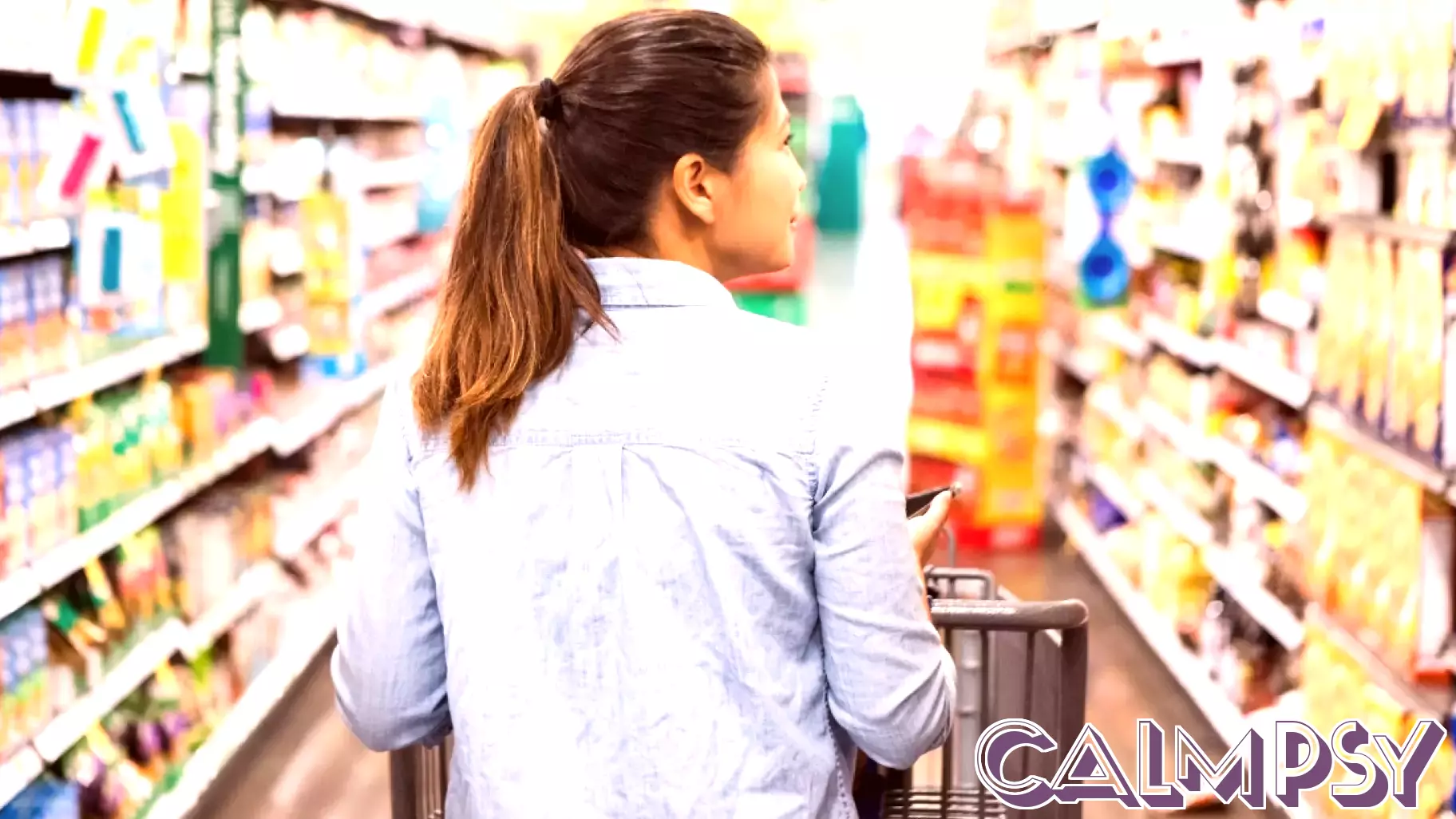
You walk into a grocery store for one or two items, and somehow leave with a cart full of things you never planned to buy. The budget slips, and the one item you needed sometimes gets forgotten. This common experience is no accident; it’s the result of deliberate store design rooted in psychological principles.
Stores are meticulously crafted to maximize spending. The staple items like milk and bread are often placed at the back, forcing you to navigate a maze of enticing products. This strategic layout, known as the "Gruen Effect," is designed to create a state of mild disorientation, lowering your resistance to impulse purchases.
Color psychology is also at play. Vibrant red and yellow tags signal value and urgency, prompting quick decisions. Meanwhile, the produce section greets you first with its fresh scents and colorful displays, putting you in a positive, "health-conscious" mindset that can justify later indulgences.
Product placement is a subtle art. Essential goods are often at eye level, while higher-margin items occupy prime real estate. Smaller, tempting treats line the checkout aisles, capitalizing on decision fatigue as you wait. Even the shopping cart size encourages filling empty space, making a half-full large cart feel inadequate.
By understanding these hidden tactics—from scent marketing to strategic pricing—shoppers can reclaim control. The key is to shop with a list, stick to it, and be aware that every detail in the store environment is quietly guiding your choices.
MORE NEWS

September 14, 2026 - 01:10
Three Quiet Signs of Rare Intelligence, According to a PsychologistTalking more makes you look smarter, but the habits behind real judgment often look like hesitation. A psychologist explains three quiet signs of a strong mind. The first sign is comfort with...

September 13, 2026 - 13:56
A Barber's Hands and the Mind They HoldThe young man sitting in my chair has a mind I cannot see, though his head rests squarely in my palms. He is a psychologist, or something close to it. He studied a degree called Health Psychology,...

September 12, 2026 - 20:29
Psychology says people who prefer joint families may value belonging more than independenceFor some people, living in a joint family may offer psychological benefits that they value more than the independence of having a separate home. A stronger sense of connection, shared...
September 12, 2026 - 17:39
Psychology says people who feel awkward replying to birthday messages in office WhatsApp groups may be doiFeeling awkward about responding to birthday messages in an office WhatsApp group does not automatically indicate introversion, insecurity or poor relationships with colleagues. Sometimes it simply...