Street psychology: Keeping people safer by changing how drivers think
February 6, 2026 - 07:50
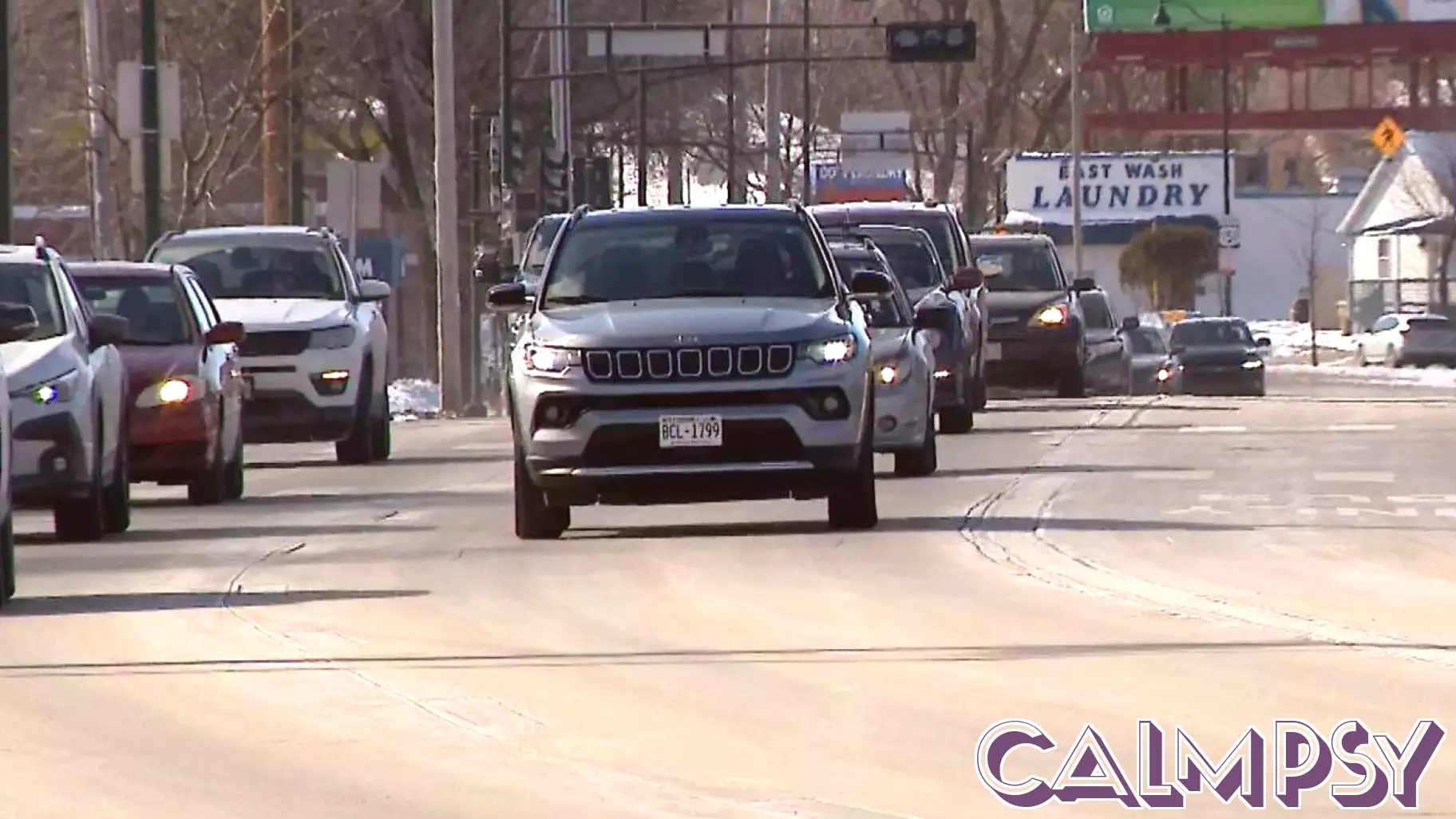
Urban planners and traffic engineers are increasingly focusing on the psychological relationship between drivers and the road environment to enhance safety. The strategy moves beyond traditional enforcement, aiming to subconsciously influence driver behavior through deliberate design changes.
This approach, often termed "street psychology" or behavioral design, involves altering the physical roadway to create a perception of risk and encourage slower, more attentive driving. Key tactics include implementing narrower traffic lanes, adding protected bike lanes, extending curbs at intersections, and using prominent crosswalk markings. The presence of more cyclists and pedestrians itself, fostered by better infrastructure, naturally signals to drivers that they are in a shared space requiring caution.
The core principle is that the design of a street communicates expected behavior. A wide, open road with minimal visual complexity subconsciously encourages higher speeds. Conversely, a roadway with visual cues, clear demarcations for different users, and physical elements that define the space prompts drivers to slow down and be more aware.
Cities adopting these measures report a dual benefit: not only does traffic speed decrease, reducing the severity of potential crashes, but the environment also becomes more inviting and safer for everyone outside of a vehicle. This paradigm shift represents a fundamental rethinking of street design, where the primary goal is the safe and efficient movement of people, not just cars, by thoughtfully shaping the driver's experience and mindset.
MORE NEWS

September 20, 2026 - 04:34
A Simple Morning and Evening Habit That Can Lead to Happier DaysA psychologist has highlighted a straightforward daily routine that may help people experience more satisfying and joyful days. The habit centers on two brief moments of reflection, one in the...
September 19, 2026 - 15:46
Psychology explains why people turn down the music when looking for an address and how the brain respondsDrivers often reach for the volume knob when they are searching for an unfamiliar address, turning the music down even though the sound has nothing to do with reading street signs. Psychology...

September 18, 2026 - 22:57
Psychology says parents who continue their own parents’ traditions with their children may be passing downFamily rituals can give everyday life a reassuring sense of continuity. A birthday might always begin with the same special breakfast, Friday evenings may revolve around a favorite meal, and every...

September 18, 2026 - 04:47
Why You Shed Years the Moment You Walk Into Your Parents' HouseYou drive hours to visit family, step through the front door, and within minutes something shifts. Your posture changes. Your voice takes on an old cadence. You argue about chores, roll your eyes...