Spousal Psychiatric Disorders Increase Risk for Family Members
September 17, 2025 - 18:34

Recent research reveals a striking correlation between the diagnosis of major psychiatric disorders in one spouse and an increased likelihood of similar conditions in their partner and children. The study highlights that when one individual in a marriage is diagnosed with a psychiatric disorder, the other spouse faces a significantly higher risk of developing comparable mental health issues.
This phenomenon extends beyond the immediate couple, as children of affected parents also show a heightened susceptibility to psychiatric disorders. The findings suggest that familial and environmental factors play a crucial role in the transmission of these conditions.
Experts emphasize the importance of early intervention and support for families dealing with mental health challenges. Understanding the dynamics of how psychiatric disorders can affect family members is essential for developing effective treatment strategies. This research underscores the need for comprehensive mental health care that takes into account the entire family unit, rather than focusing solely on the individual diagnosis.
MORE NEWS

October 4, 2026 - 22:51
Why the Most Tender-Hearted People Go Completely Silent When You Hurt Them, According to PsychologyYou know that moment when someone you care about just disappears? Not physically, but emotionally. One second you were mid conversation, maybe mid argument, and now there is nothing. No yelling, no...
October 4, 2026 - 06:43
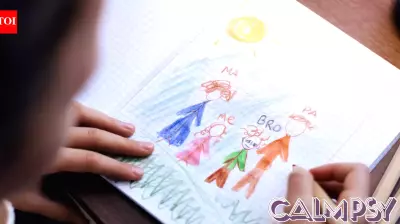
Why Some Children Restart Drawings Until They Look RightA child sits down with a sheet of paper and starts drawing. The first attempt does not look quite the way they imagined it. So they flip the page and begin again. Then again. To a parent watching...

October 3, 2026 - 20:42
Trump's 'stroke' pathways are now 'crossing the brain': psychologistA widely cited psychologist raised concerns on Friday evening about a series of unusual behaviors displayed by President Donald Trump. Dr. John Garrision pointed to what he described as strange and...
October 3, 2026 - 09:31
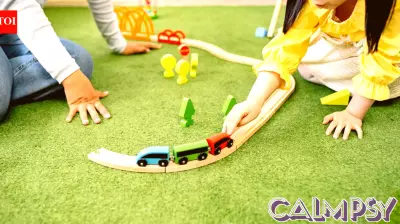
Psychology says children who turn household objects into toys may have stronger imaginations than parents realiseA banana held to the ear. A saucepan worn as a helmet. A cardboard box turned into a rocket ship. Children everywhere transform ordinary household objects into toys, and parents often brush it off...