Rising Consumer Losses: Understanding the Psychology of Online Scammers
March 27, 2025 - 13:39
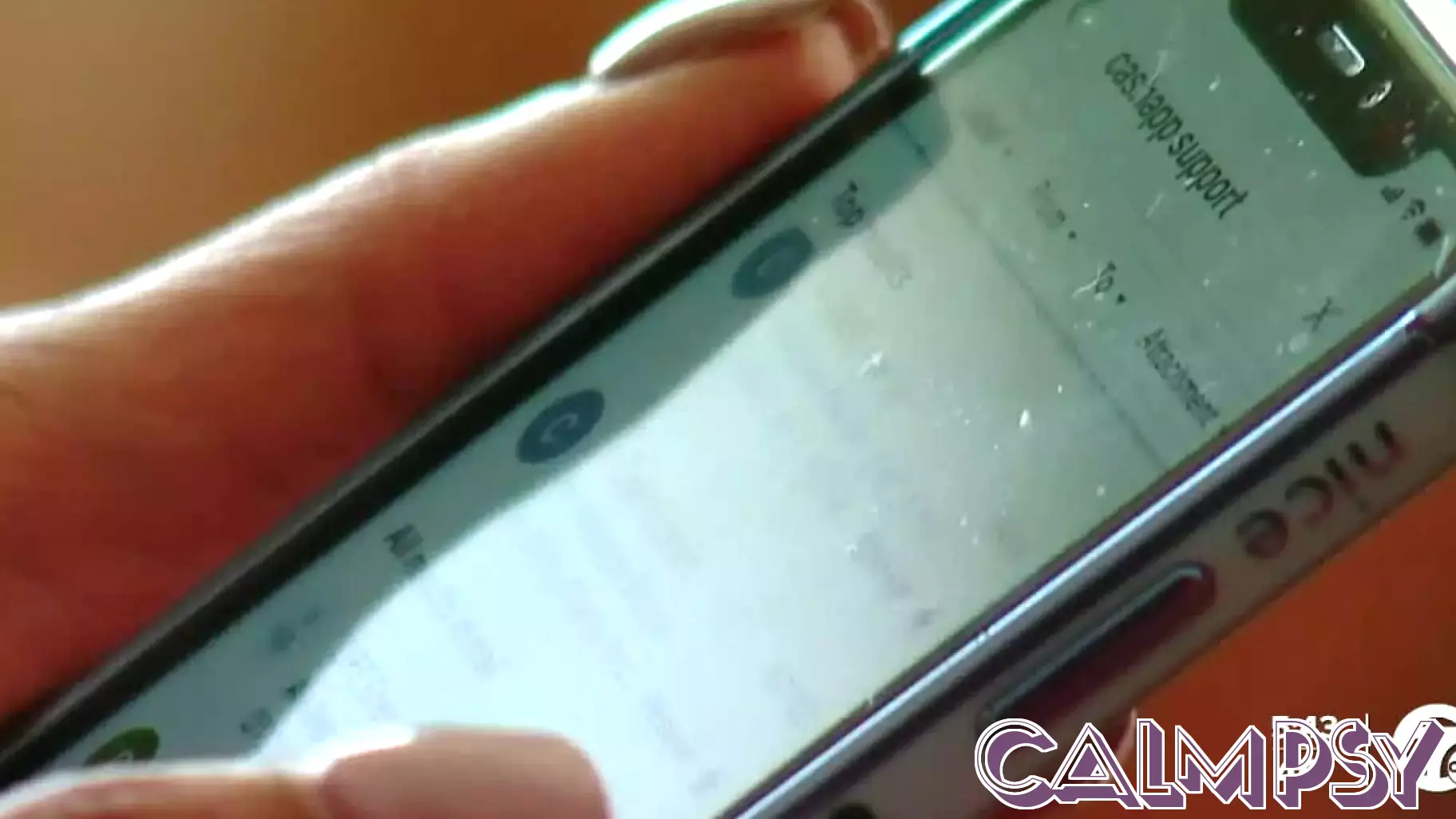
Targeted herself, Tanjai Green expressed her concern about the increasing prevalence of online scamming. In recent reports, it has been revealed that consumer losses due to fraud have surged by 25%. This alarming trend indicates that scammers are becoming more sophisticated, employing psychological tactics to manipulate their victims effectively.
Experts suggest that the rise in online scams can be attributed to various factors, including the growing reliance on digital platforms for transactions and communication. Scammers are leveraging social engineering techniques, exploiting human emotions such as fear, trust, and urgency to deceive unsuspecting individuals.
Green's experience highlights a crucial aspect of this issue: the need for heightened awareness and education about online fraud. As more people fall victim to these schemes, it becomes imperative for consumers to stay informed about the tactics used by scammers. By understanding the psychology behind these fraudulent activities, individuals can better protect themselves and their finances in an increasingly digital world.
MORE NEWS

October 4, 2026 - 22:51
Why the Most Tender-Hearted People Go Completely Silent When You Hurt Them, According to PsychologyYou know that moment when someone you care about just disappears? Not physically, but emotionally. One second you were mid conversation, maybe mid argument, and now there is nothing. No yelling, no...
October 4, 2026 - 06:43
Why Some Children Restart Drawings Until They Look RightA child sits down with a sheet of paper and starts drawing. The first attempt does not look quite the way they imagined it. So they flip the page and begin again. Then again. To a parent watching...

October 3, 2026 - 20:42
Trump's 'stroke' pathways are now 'crossing the brain': psychologistA widely cited psychologist raised concerns on Friday evening about a series of unusual behaviors displayed by President Donald Trump. Dr. John Garrision pointed to what he described as strange and...

October 3, 2026 - 09:31
Psychology says children who turn household objects into toys may have stronger imaginations than parents realiseA banana held to the ear. A saucepan worn as a helmet. A cardboard box turned into a rocket ship. Children everywhere transform ordinary household objects into toys, and parents often brush it off...