Redefining Patience: A Psychological Exploration
December 20, 2024 - 14:30
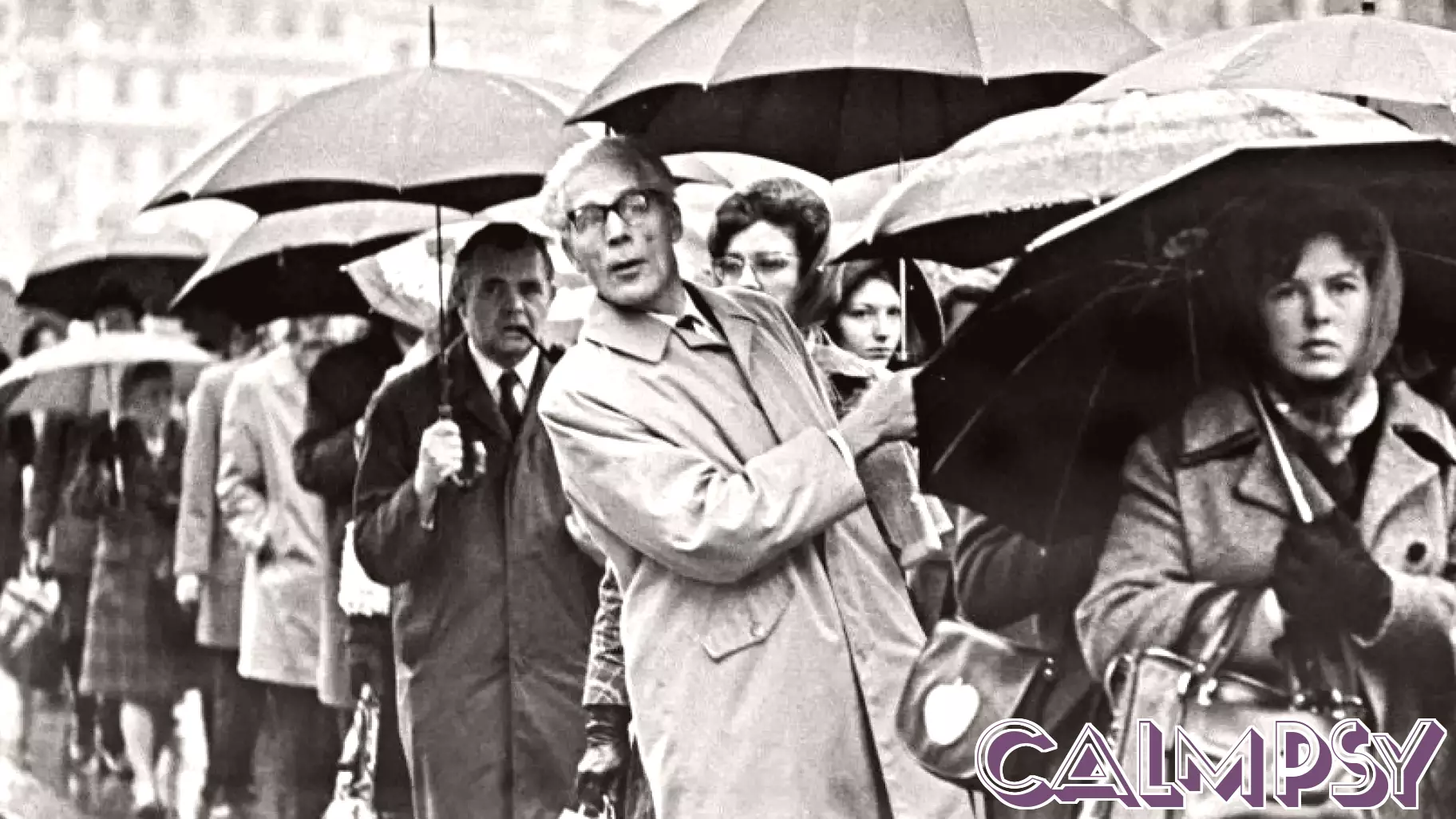
Patience, often considered a virtue, has long been a concept that eludes clear definition. UC Riverside psychology researcher Kate Sweeny has taken a closer look at this intriguing trait, questioning its traditional associations. While philosophers and religious scholars extol patience as a moral quality, Sweeny notes a common sentiment among individuals who identify more with impatience. This discrepancy prompted her to investigate whether patience is truly linked to moral character or if it is more about our coping mechanisms in the face of everyday frustrations.
In her research, Sweeny aims to delineate the characteristics of both patience and impatience, exploring the underlying factors that influence these behaviors. By examining how people respond to delays and obstacles, she hopes to uncover the psychological elements that shape our experiences of waiting and frustration. This inquiry not only seeks to clarify the nature of patience but also challenges the notion of it being an inherent virtue, suggesting instead that it may be more about our responses to life's challenges.
MORE NEWS

September 19, 2026 - 15:46
Psychology explains why people turn down the music when looking for an address and how the brain respondsDrivers often reach for the volume knob when they are searching for an unfamiliar address, turning the music down even though the sound has nothing to do with reading street signs. Psychology...

September 18, 2026 - 22:57
Psychology says parents who continue their own parents’ traditions with their children may be passing downFamily rituals can give everyday life a reassuring sense of continuity. A birthday might always begin with the same special breakfast, Friday evenings may revolve around a favorite meal, and every...

September 18, 2026 - 04:47
Why You Shed Years the Moment You Walk Into Your Parents' HouseYou drive hours to visit family, step through the front door, and within minutes something shifts. Your posture changes. Your voice takes on an old cadence. You argue about chores, roll your eyes...

September 17, 2026 - 12:31
Revisiting Power and Cruelty: The Stanford Prison Experiment Under New ScrutinyIn 1971, a basement corridor at Stanford University became the stage for one of psychology`s most infamous studies. Researchers divided male students into two groups: guards and prisoners. Within...