Recognizing the Silent Signs of Your Partner's Discontent
September 27, 2025 - 19:40

Your partner’s unhappiness can quietly grow under the radar even when things seem “fine.” Spotting the subtle cues before emotional distance takes over your relationship is crucial for maintaining a healthy connection.
One of the first signs to look for is a change in communication patterns. If your partner has become less open or engaged in conversations, it may indicate underlying issues. Pay attention to their willingness to share thoughts and feelings; a sudden withdrawal could signal discontent.
Another clue is a shift in emotional responsiveness. If your partner seems less empathetic or emotionally available, it might be a sign that they are struggling internally. This emotional distance can create a barrier that makes it difficult for both partners to connect.
Lastly, observe their body language. Uncharacteristic behaviors, such as avoiding eye contact or closed-off postures, can indicate discomfort or unhappiness. Recognizing these subtle signs early on can help you address concerns together, fostering a stronger and more supportive relationship.
MORE NEWS

October 4, 2026 - 22:51
Why the Most Tender-Hearted People Go Completely Silent When You Hurt Them, According to PsychologyYou know that moment when someone you care about just disappears? Not physically, but emotionally. One second you were mid conversation, maybe mid argument, and now there is nothing. No yelling, no...
October 4, 2026 - 06:43
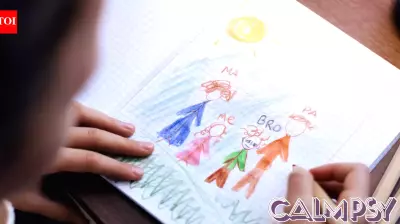
Why Some Children Restart Drawings Until They Look RightA child sits down with a sheet of paper and starts drawing. The first attempt does not look quite the way they imagined it. So they flip the page and begin again. Then again. To a parent watching...

October 3, 2026 - 20:42
Trump's 'stroke' pathways are now 'crossing the brain': psychologistA widely cited psychologist raised concerns on Friday evening about a series of unusual behaviors displayed by President Donald Trump. Dr. John Garrision pointed to what he described as strange and...
October 3, 2026 - 09:31
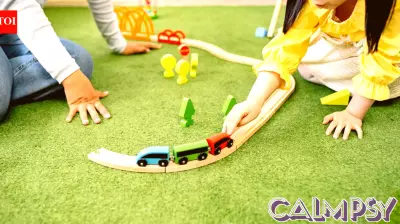
Psychology says children who turn household objects into toys may have stronger imaginations than parents realiseA banana held to the ear. A saucepan worn as a helmet. A cardboard box turned into a rocket ship. Children everywhere transform ordinary household objects into toys, and parents often brush it off...