Quincy University Psychology Professor Publishes New Book
April 12, 2025 - 02:07
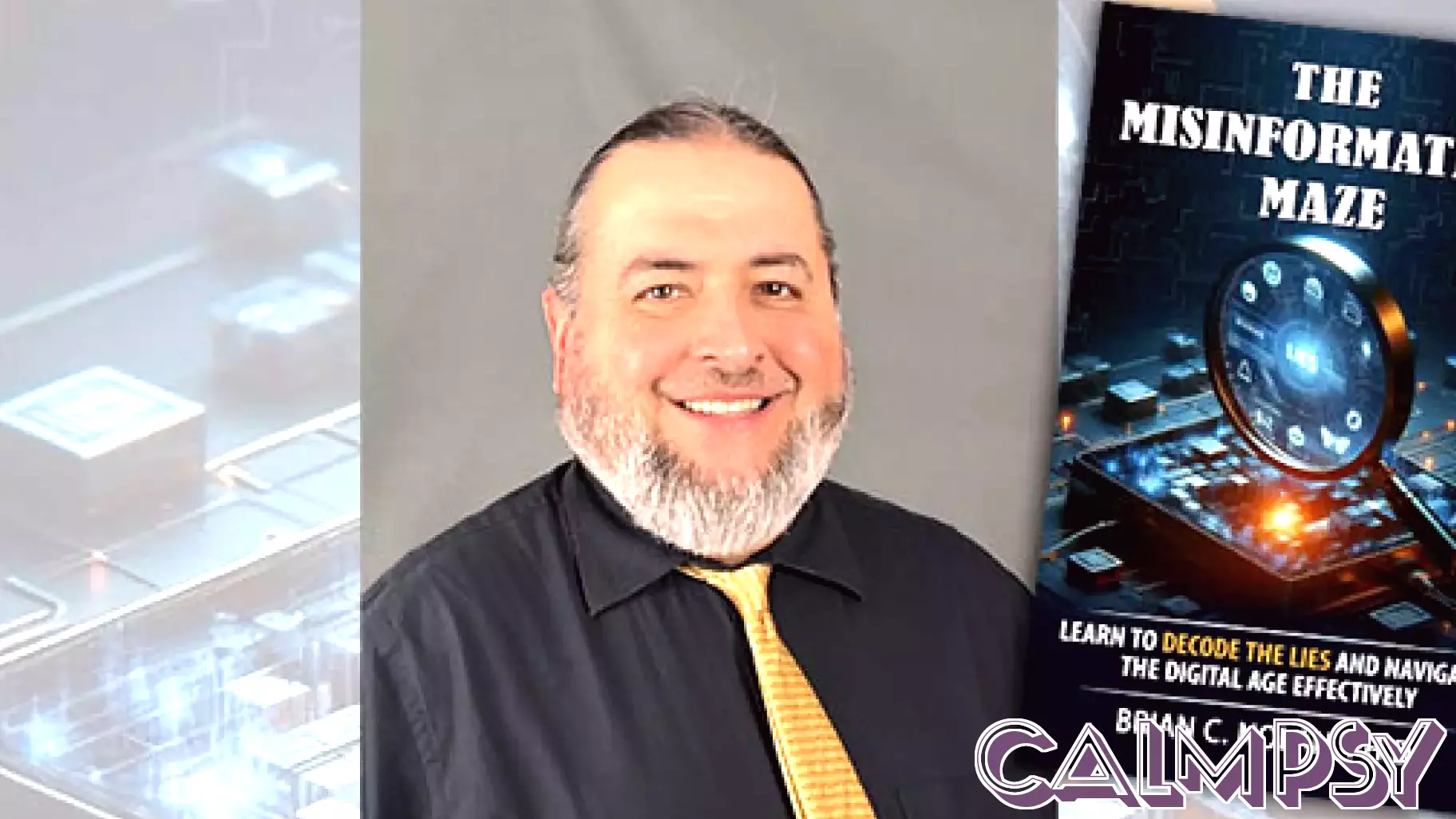
Quincy University’s own Brian Nolan, PhD, a professor of psychology, has released his inaugural book, which is now available for purchase in both eBook and paperback formats. Titled The Misinformation Maze: Learn to Decode the Lies and Navigate the Digital Age Effectively, this publication addresses the pervasive issue of misinformation in today’s digital landscape.
In his book, Nolan explores the psychological mechanisms that contribute to the spread of false information and offers readers practical strategies for identifying and combating misleading narratives. Drawing on his expertise in psychology, he provides insights into how individuals can better navigate the complexities of information consumption in an era dominated by social media and rapid news cycles.
Nolan’s work aims to empower readers with the tools necessary to critically evaluate the information they encounter, fostering a more informed and discerning public. This timely publication is expected to resonate with anyone seeking to enhance their understanding of misinformation and its implications in modern society.
MORE NEWS

October 4, 2026 - 22:51
Why the Most Tender-Hearted People Go Completely Silent When You Hurt Them, According to PsychologyYou know that moment when someone you care about just disappears? Not physically, but emotionally. One second you were mid conversation, maybe mid argument, and now there is nothing. No yelling, no...
October 4, 2026 - 06:43
Why Some Children Restart Drawings Until They Look RightA child sits down with a sheet of paper and starts drawing. The first attempt does not look quite the way they imagined it. So they flip the page and begin again. Then again. To a parent watching...

October 3, 2026 - 20:42
Trump's 'stroke' pathways are now 'crossing the brain': psychologistA widely cited psychologist raised concerns on Friday evening about a series of unusual behaviors displayed by President Donald Trump. Dr. John Garrision pointed to what he described as strange and...
October 3, 2026 - 09:31
Psychology says children who turn household objects into toys may have stronger imaginations than parents realiseA banana held to the ear. A saucepan worn as a helmet. A cardboard box turned into a rocket ship. Children everywhere transform ordinary household objects into toys, and parents often brush it off...