Psychology suggests that people who fear AI are often not only afraid of the technology itself — they’re afraid of what it threatens to erase: the status, competence, identity, and sense of usefulness they spent years building.
June 22, 2026 - 17:26
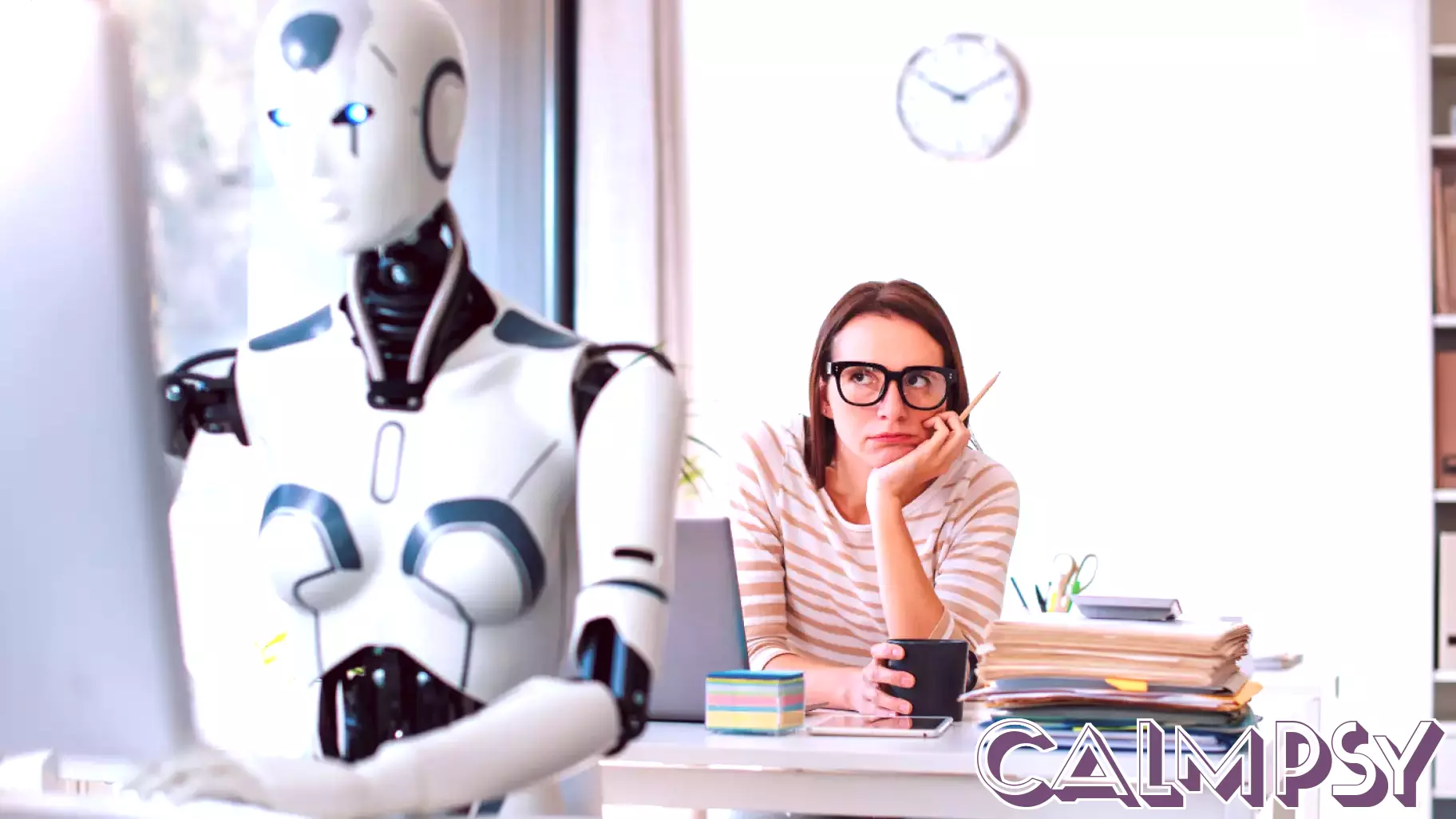
In late 2024, the Pew Research Center surveyed more than 5,000 employed Americans and found that 52 percent were worried about how AI might be used in their workplaces. That number alone is striking, but psychology suggests the real source of that worry goes deeper than the technology itself. People who fear AI are often not just afraid of machines or algorithms. They are afraid of what AI threatens to erase: the status, competence, identity, and sense of usefulness they spent years building.
For many workers, a job is not just a paycheck. It is a source of pride, a marker of expertise, and a way to prove their worth to themselves and others. When AI starts performing tasks that once required years of training, it can feel like an attack on that identity. A radiologist might worry not only about being replaced, but about what it means if a machine reads scans more accurately. A writer might fear that their craft is being reduced to a prompt. A manager might sense that their decision-making authority is being quietly handed over to a dashboard.
This fear is not irrational. It reflects a deep human need to feel necessary. When that need is threatened, the response is often resistance, denial, or anger. But understanding the real fear can help shift the conversation. The goal is not to stop AI, but to figure out what human value looks like in a world where machines can do more. That means rethinking how we define competence and status, and finding new ways to feel useful that do not depend on being the only one who can do the job.
MORE NEWS

September 21, 2026 - 00:20
8 Signs Your Child Is Growing Into a Resilient, Emotionally Mature PersonA psychologist has outlined eight signs that suggest a child is developing resilience and emotional maturity. According to Lindsay C. Gibson, these traits shape how children grow into adults. `They...
September 20, 2026 - 19:41
Why Silent Hill 2 Remains the Peak of Psychological HorrorSilent Hill 2 turned guilt into a whole town. Here is why Team Silent`s 2001 classic is still the greatest psychological horror game ever made, remake included. Most horror games try to scare you...
September 20, 2026 - 04:34
A Simple Morning and Evening Habit That Can Lead to Happier DaysA psychologist has highlighted a straightforward daily routine that may help people experience more satisfying and joyful days. The habit centers on two brief moments of reflection, one in the...
September 19, 2026 - 15:46
Psychology explains why people turn down the music when looking for an address and how the brain respondsDrivers often reach for the volume knob when they are searching for an unfamiliar address, turning the music down even though the sound has nothing to do with reading street signs. Psychology...