Psychology explains why some people hate phone calls but can text for hours
September 9, 2026 - 06:00
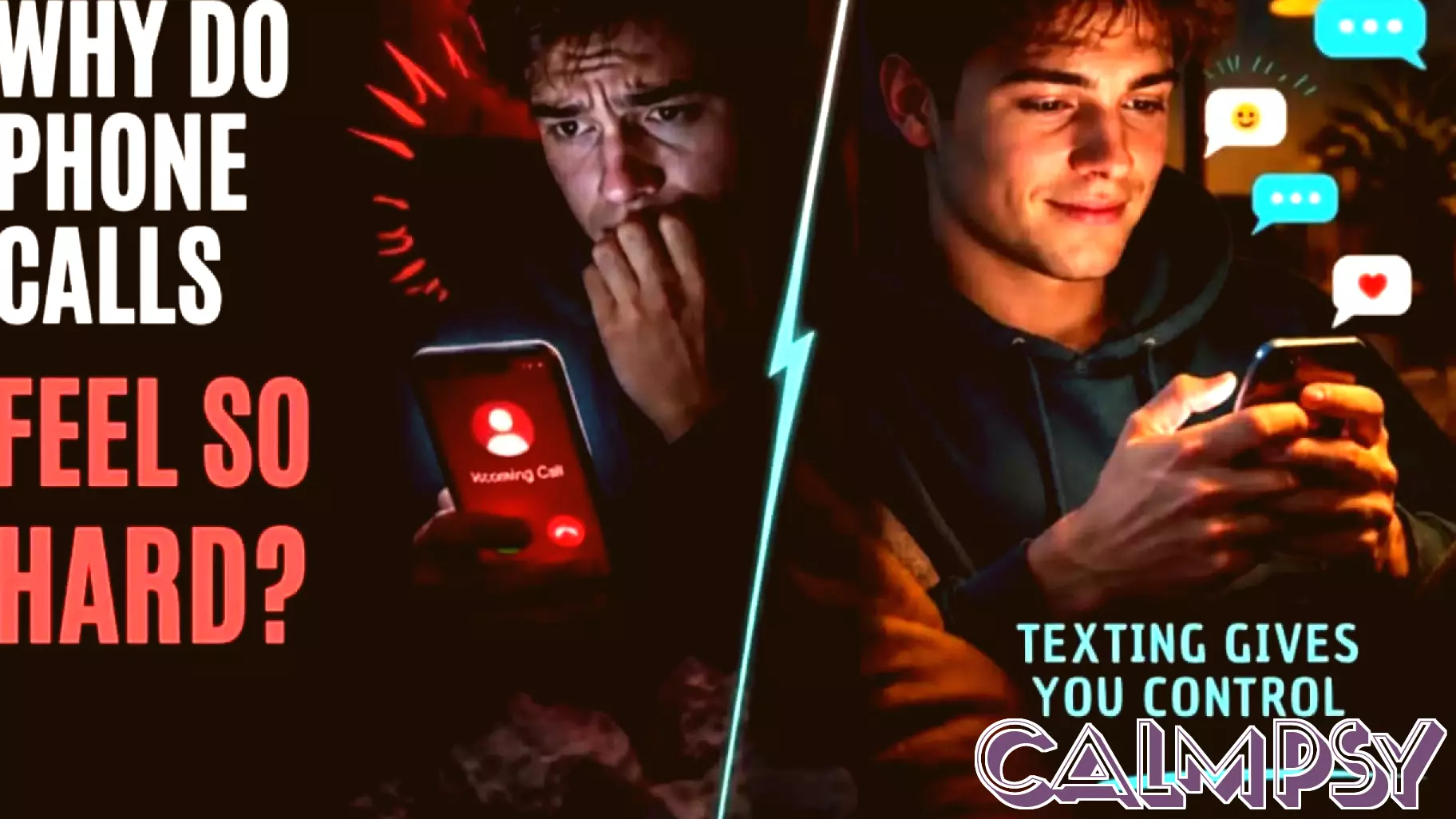
For many people, the sound of a ringing phone still triggers a small spike of dread. They will let it go to voicemail, then send a text saying, "Can't talk right now, what's up?" Meanwhile, they can spend hours typing out long, detailed messages without a second thought. This split in behavior is not about being antisocial or lazy. Psychologists point to a few clear reasons why texting feels manageable while a live conversation feels overwhelming.
The biggest factor is control. When you text, you decide when to reply. You can pause, delete a sentence, or rethink your wording before hitting send. A phone call removes that buffer. You have to listen, process, and respond in real time, with no chance to edit a clumsy phrase or take a breath without awkward silence. For people who are prone to social anxiety or perfectionism, that pressure can feel like a performance test.
Texting also lowers the emotional stakes. You do not have to manage your tone of voice, facial expressions, or the fear of interrupting someone. You can be funny, serious, or vague without worrying about how you sound out loud. And if a conversation gets too heavy, you can simply stop replying for a few minutes to collect your thoughts. That kind of escape hatch does not exist on a call.
Another factor is the history of the medium. Many people grew up with texting as a primary way to socialize, so it feels natural and low effort. Phone calls, by contrast, carry an older, more formal weight. They demand immediate attention and often feel like an interruption, even when the caller is a close friend.
None of this means phone haters are broken. It just means they have found a communication style that fits how their brain works. The next time a call comes in and you send a text instead, remember that you are not avoiding the person. You are just choosing a channel where you can be your best self. And that is a perfectly valid choice.
MORE NEWS
October 24, 2026 - 07:08
Psychology says people who always arrive early may have a distinct way of dealing with uncertainty; what punctuality reveals about control, responsibility and stressThere is always someone who reaches the airport hours before departure, arrives at a restaurant before the rest of the group or leaves home early enough to account for traffic, parking and an...

October 23, 2026 - 22:50
Halloween means scary fun. But what's the psychology behind the joy of fearA USF psychology doctoral student is researching how fear can bring people together, using haunted houses as a key part of her studies. Tara Perreault studies the way shared scary experiences...

October 23, 2026 - 15:25
Psychology says parents who read bedtime stories every night may be building more than a love of books, language skills and healthy routinesFor many families, bedtime follows a familiar pattern. Teeth are brushed, a favourite book comes out, and a child settles beside a parent to hear a story they may already know by heart. According...

October 22, 2026 - 19:28
Three Psychological Thrillers to Stream on Netflix This WeekendIf you want a weekend that gets under your skin, Netflix has a solid lineup of psychological thrillers that trade jump scares for slow-building dread. These films focus on twisted minds, unsettling...