Psychology explains why people turn down the music when looking for an address and how the brain responds
September 19, 2026 - 15:46
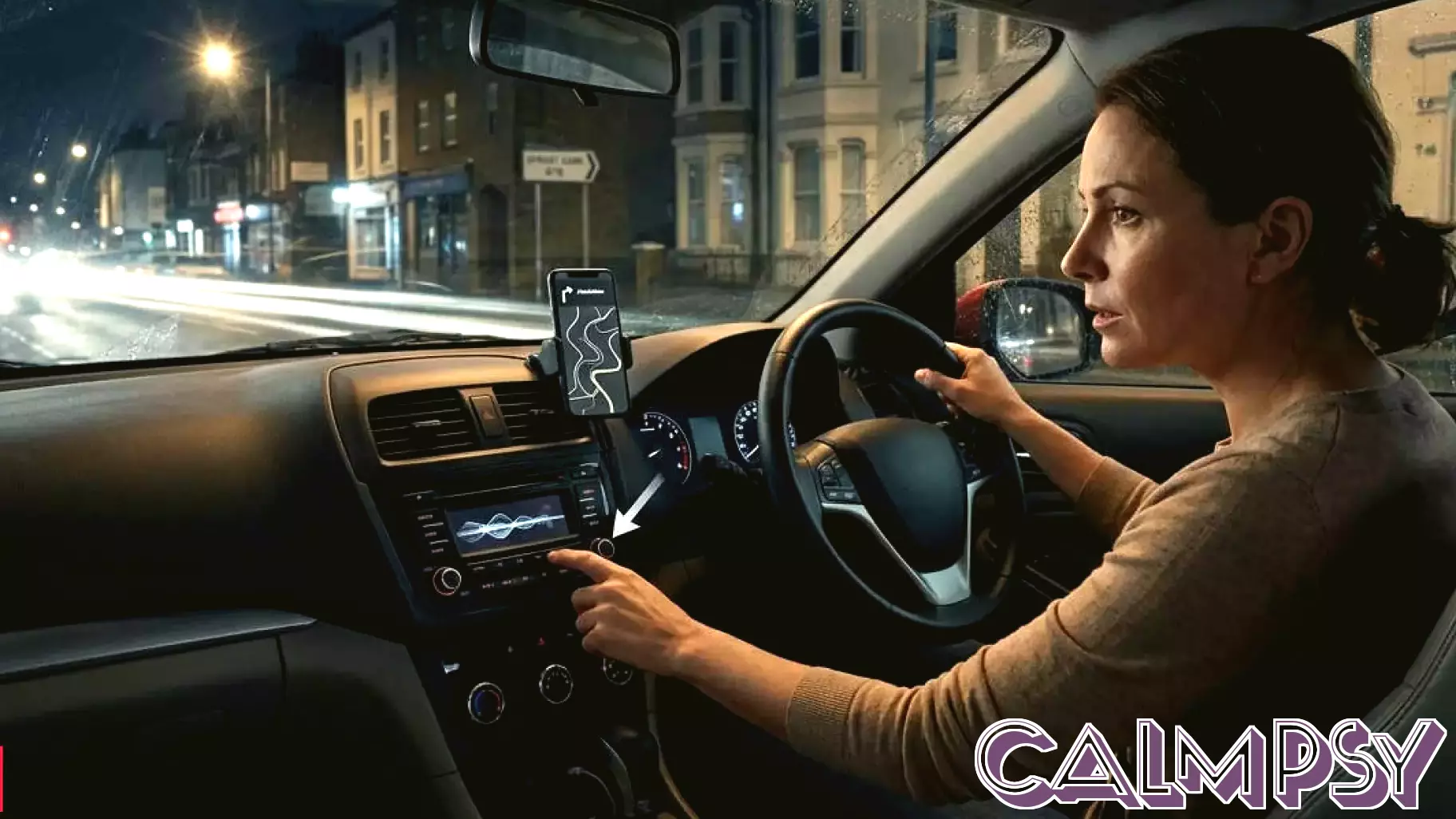
Drivers often reach for the volume knob when they are searching for an unfamiliar address, turning the music down even though the sound has nothing to do with reading street signs. Psychology offers a straightforward explanation for this habit. The brain has a limited supply of attention, and when a task becomes demanding, it pulls resources away from anything that seems less important. Listening to music, even music a person enjoys, competes for those same mental resources. Lowering the volume reduces that competition and frees up capacity for navigation.
Research on cognitive load supports this idea. As a task grows harder, the brain becomes more selective about what it lets in. It filters out sounds that could interfere with the job at hand, which is why people instinctively quiet the radio before making a tricky turn or scanning for a house number. The response is not really about hearing the music less. It is about giving the visual and spatial parts of the brain more room to work.
This automatic adjustment shows how flexible attention can be. The brain constantly decides what deserves focus, and something as simple as turning down a song reveals that process in action. Drivers may not realize they are managing their own mental energy, but their hands on the dial tell the story.
MORE NEWS

September 18, 2026 - 22:57
Psychology says parents who continue their own parents’ traditions with their children may be passing downFamily rituals can give everyday life a reassuring sense of continuity. A birthday might always begin with the same special breakfast, Friday evenings may revolve around a favorite meal, and every...

September 18, 2026 - 04:47
Why You Shed Years the Moment You Walk Into Your Parents' HouseYou drive hours to visit family, step through the front door, and within minutes something shifts. Your posture changes. Your voice takes on an old cadence. You argue about chores, roll your eyes...

September 17, 2026 - 12:31
Revisiting Power and Cruelty: The Stanford Prison Experiment Under New ScrutinyIn 1971, a basement corridor at Stanford University became the stage for one of psychology`s most infamous studies. Researchers divided male students into two groups: guards and prisoners. Within...

September 16, 2026 - 22:21
Study Links Extreme Celebrity Obsession to Narcissism and Criminal ThinkingNew research into the psychology of celebrity worship has identified a clear dividing line between harmless fandom and genuinely troubling behavior. The study suggests that an intense,...