Psychology explains why people raised in the 1960s and 1970s handle crises differently — they weren't taught to process feelings, they were taught to outlast circumstances
April 1, 2026 - 21:38
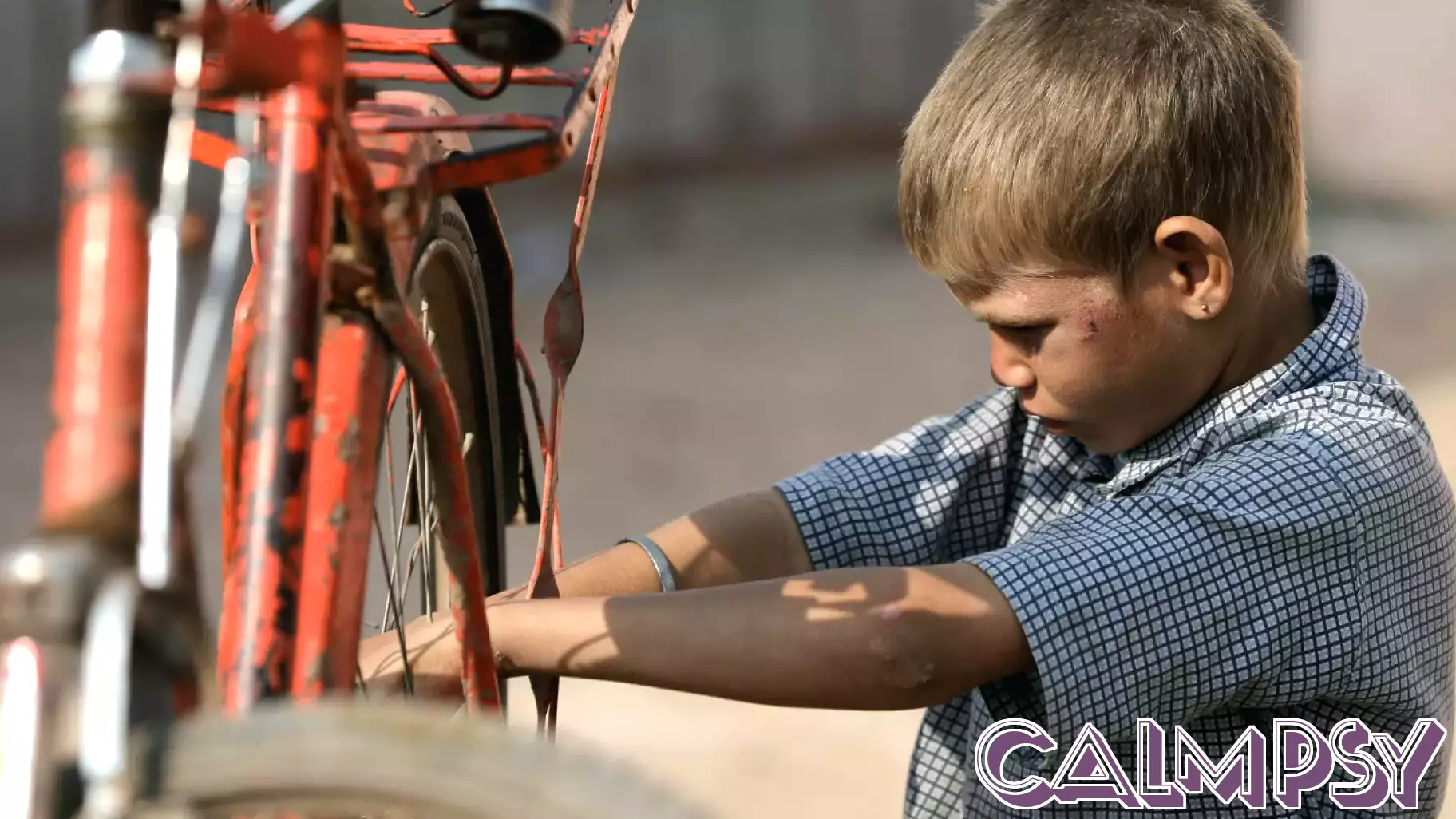
A unique emotional blueprint defines many individuals who came of age in the 1960s and 1970s. Their characteristic resilience in the face of turmoil—a steadfast ability to simply endure—is now understood by psychologists not as an inherent strength, but as a learned survival tactic with significant long-term consequences.
This generation was largely raised with a pragmatic, action-oriented philosophy. The prevailing cultural message emphasized stoicism and forward motion. Children were implicitly and explicitly taught to "tough it out," to suppress emotional displays, and to measure their worth by their ability to outlast difficult circumstances. Feelings were often viewed as inconvenient obstacles to be overcome, not signals to be processed.
While this fostered a formidable capacity for perseverance, it often came at the expense of emotional literacy. Many were not equipped with the vocabulary or the permission to acknowledge fear, grief, or vulnerability. Instead of building bridges to navigate their internal landscape, they constructed emotional bunkers, sealing difficult feelings away in order to function.
Now, decades later, the legacy of this conditioning is becoming clear. That very survival strategy of gritting one's teeth and pushing through is being re-examined. Therapists note that unprocessed emotions from past crises don't disappear; they remain, influencing health, relationships, and well-being. The generation renowned for weathering external storms is now, in many cases, learning to finally calm the internal ones, discovering that true resilience isn't about outlasting feelings, but about understanding them.
MORE NEWS

September 29, 2026 - 07:23
Psychology Assistant Role Plan Dropped After BacklashThe Australian Health Practitioner Regulation Agency has confirmed it will not move forward with a proposed psychology assistant workforce role, at least for the time being. The decision follows...

September 28, 2026 - 21:51
Psychology says people who carry a charger everywhere may hate one feeling more than a dead phoneA dead phone can create problems that barely existed a few decades ago. Smartphones now help people find their way around and stay connected to work. Many also keep tickets and payment apps on...

September 28, 2026 - 11:01
Why Children Thrive With Clear Boundaries Instead of Endless FreedomA child asks for one more episode before bed. The parent says yes. Then comes another request, and another, until the evening dissolves into a negotiation that nobody wins. Moments like this are...
September 27, 2026 - 20:59
Eight Netflix Psychological Thrillers That Never Drop the BallFinding a psychological thriller that stays compelling from the first episode to the last is harder than it sounds. Plenty of shows launch with a gripping hook, then lose their way somewhere in the...