Ohio Supreme Court Revisits Worker’s Permanent Total Disability Request
December 13, 2024 - 08:19

In a significant ruling, the Ohio Supreme Court has ordered a closer examination of a worker's request for Permanent Total Disability (PTD) benefits after new psychological evidence was presented. The case centers around a worker who demonstrated that his psychological condition had deteriorated, prompting the court to challenge the previous decision made by a Staff Hearing Officer (SHO). The SHO had initially dismissed the request too quickly without adequately considering the updated medical evidence.
This ruling underscores the importance of thoroughly reviewing all relevant evidence in PTD cases, particularly when psychological factors are involved. The court's decision highlights the evolving understanding of mental health issues in the workplace and the need for a comprehensive evaluation of a worker's condition. As more cases like this emerge, it may lead to a broader reassessment of how psychological conditions are factored into disability claims, ensuring that workers receive the benefits they rightfully deserve.
MORE NEWS

October 4, 2026 - 22:51
Why the Most Tender-Hearted People Go Completely Silent When You Hurt Them, According to PsychologyYou know that moment when someone you care about just disappears? Not physically, but emotionally. One second you were mid conversation, maybe mid argument, and now there is nothing. No yelling, no...
October 4, 2026 - 06:43
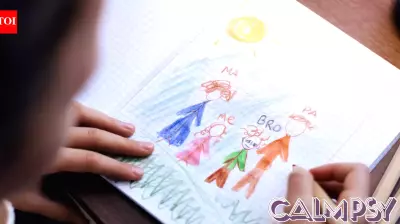
Why Some Children Restart Drawings Until They Look RightA child sits down with a sheet of paper and starts drawing. The first attempt does not look quite the way they imagined it. So they flip the page and begin again. Then again. To a parent watching...

October 3, 2026 - 20:42
Trump's 'stroke' pathways are now 'crossing the brain': psychologistA widely cited psychologist raised concerns on Friday evening about a series of unusual behaviors displayed by President Donald Trump. Dr. John Garrision pointed to what he described as strange and...

October 3, 2026 - 09:31
Psychology says children who turn household objects into toys may have stronger imaginations than parents realiseA banana held to the ear. A saucepan worn as a helmet. A cardboard box turned into a rocket ship. Children everywhere transform ordinary household objects into toys, and parents often brush it off...