Nine recent studies that reveal the hidden psychology of American politics
July 12, 2026 - 18:45
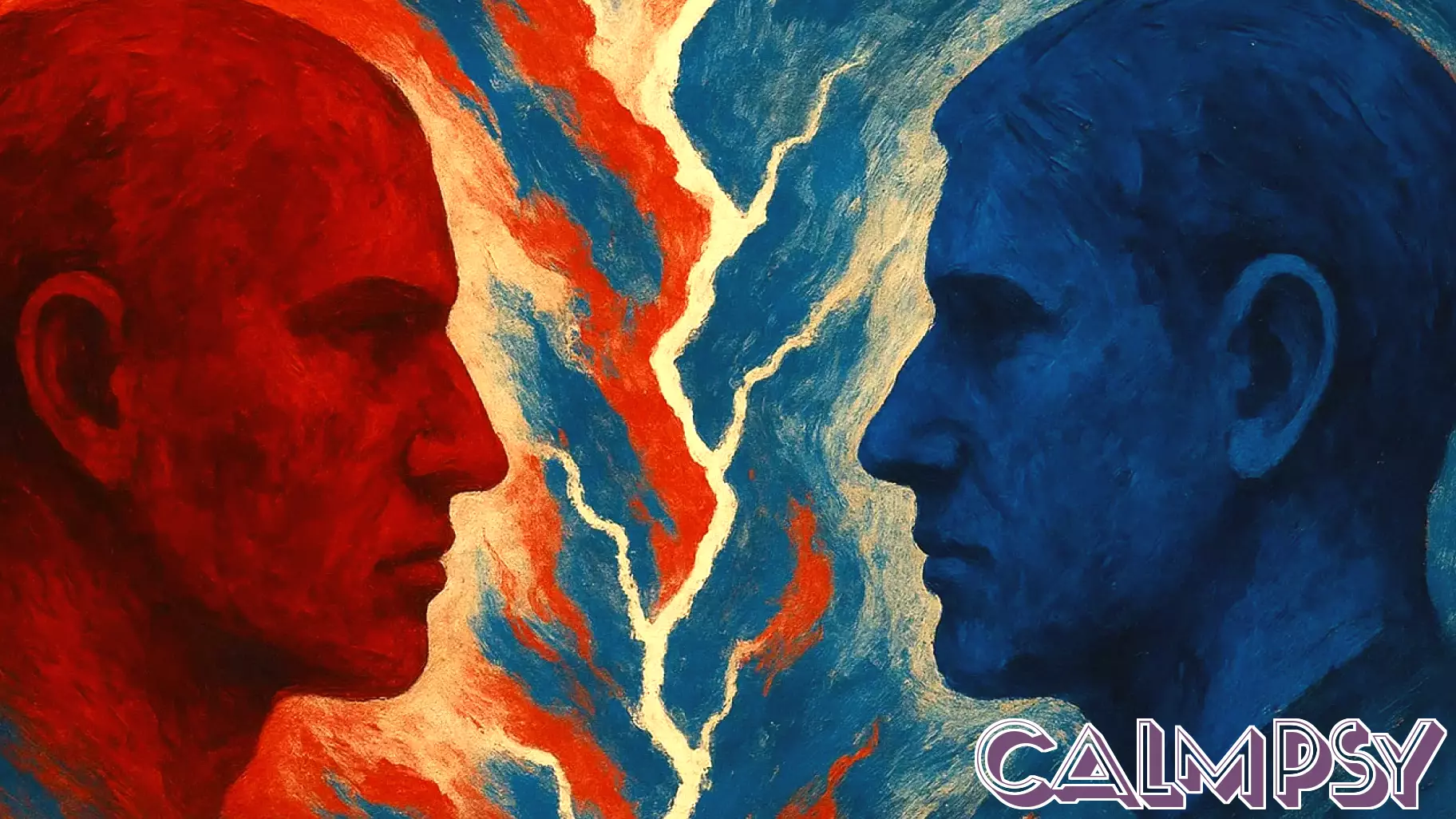
Political beliefs now dictate more than just voting habits. Recent research reveals that our partisan identities actively shape how we interpret smiles, manage our moral boundaries, and even decide how many children to have. A collection of nine new studies digs into the unconscious forces driving the American political divide, and the findings are unsettling.
One study found that Democrats and Republicans literally see facial expressions differently. When shown a neutral face, partisans on each side were more likely to perceive it as hostile if they believed the person belonged to the opposing party. Another paper explored moral flexibility: people are far more willing to excuse unethical behavior from their own political allies than from opponents, suggesting that loyalty to the tribe overrides core ethical instincts.
The research also touches on life decisions. One study linked political affiliation to fertility choices, finding that conservatives tend to desire larger families, while liberals are more likely to delay or forgo having children. This is not just about policy views on family leave or abortion. It appears to be a deeper, psychological preference for order versus novelty.
Other studies examined how people process threat. Conservatives, on average, show a stronger startle response to sudden noises and are more attentive to potential dangers in their environment. Liberals, meanwhile, are more sensitive to social threats like exclusion or unfairness. These differences are not learned. They appear to be rooted in basic temperament.
The takeaway from this body of work is that political polarization is not just about arguments over taxes or healthcare. It is embedded in how our brains process the world. Understanding this hidden psychology may be the first step toward bridging a divide that feels increasingly unbridgeable.
MORE NEWS

October 13, 2026 - 04:32
Mapping the Psychological Web Behind Suicidal ThoughtsSuicidal ideation rarely stems from a single cause. It often emerges from a tangle of interconnected psychological processes, where one struggle feeds into another. A new study from researchers at...

October 12, 2026 - 16:27
Why Kelly Clarkson's Shopping Story Hits a Nerve About Feeling JudgedKelly Clarkson recently described a shopping trip where she felt ignored and judged by staff. Her story spread quickly, and not because she is famous. It spread because almost everyone has stood in...

October 12, 2026 - 06:19
The Case for Taking Getting Dressed More SeriouslyMost people treat clothing as an afterthought. You wake up, grab whatever is clean, and head out the door. But the way we dress deserves more attention than that. What you wear shapes how you move...

October 11, 2026 - 20:25
Why a Small Circle Often Signals a Preference for Depth, Not Antisocial BehaviorSome people move through life with a wide network of acquaintances, while others keep a tight group of trusted individuals close by. Psychology suggests this difference is not a sign of antisocial...