New Insights into the Perception of Time as We Age
January 9, 2025 - 05:25

Psychologists and neuroscientists have long explored the intricate ways in which our perception of time changes as we grow older. A recent breakthrough study sheds light on why many individuals feel that time seems to accelerate as they age. Researchers suggest that this phenomenon may be linked to the way our brains process memories and experiences.
As we accumulate more life experiences, our brains tend to categorize and compress them, leading to a feeling of time passing more quickly. This compression may be influenced by the novelty of experiences; when we encounter new situations, our brains create more detailed memories, making those periods feel longer in retrospect. Conversely, familiar routines and repetitive events can lead to a sense of time slipping away.
The study highlights the importance of creating new experiences and embracing change in our lives to enrich our perception of time. By doing so, we may enhance our overall sense of fulfillment and connection to the present moment.
MORE NEWS

September 21, 2026 - 00:20
8 Signs Your Child Is Growing Into a Resilient, Emotionally Mature PersonA psychologist has outlined eight signs that suggest a child is developing resilience and emotional maturity. According to Lindsay C. Gibson, these traits shape how children grow into adults. `They...

September 20, 2026 - 19:41
Why Silent Hill 2 Remains the Peak of Psychological HorrorSilent Hill 2 turned guilt into a whole town. Here is why Team Silent`s 2001 classic is still the greatest psychological horror game ever made, remake included. Most horror games try to scare you...

September 20, 2026 - 04:34
A Simple Morning and Evening Habit That Can Lead to Happier DaysA psychologist has highlighted a straightforward daily routine that may help people experience more satisfying and joyful days. The habit centers on two brief moments of reflection, one in the...
September 19, 2026 - 15:46
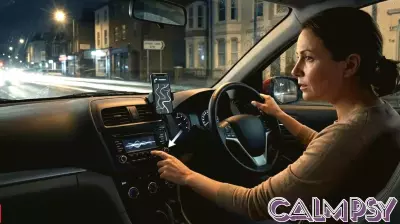
Psychology explains why people turn down the music when looking for an address and how the brain respondsDrivers often reach for the volume knob when they are searching for an unfamiliar address, turning the music down even though the sound has nothing to do with reading street signs. Psychology...