Mahzarin R. Banaji Honored with BBVA Frontiers of Knowledge Award
June 21, 2025 - 08:16
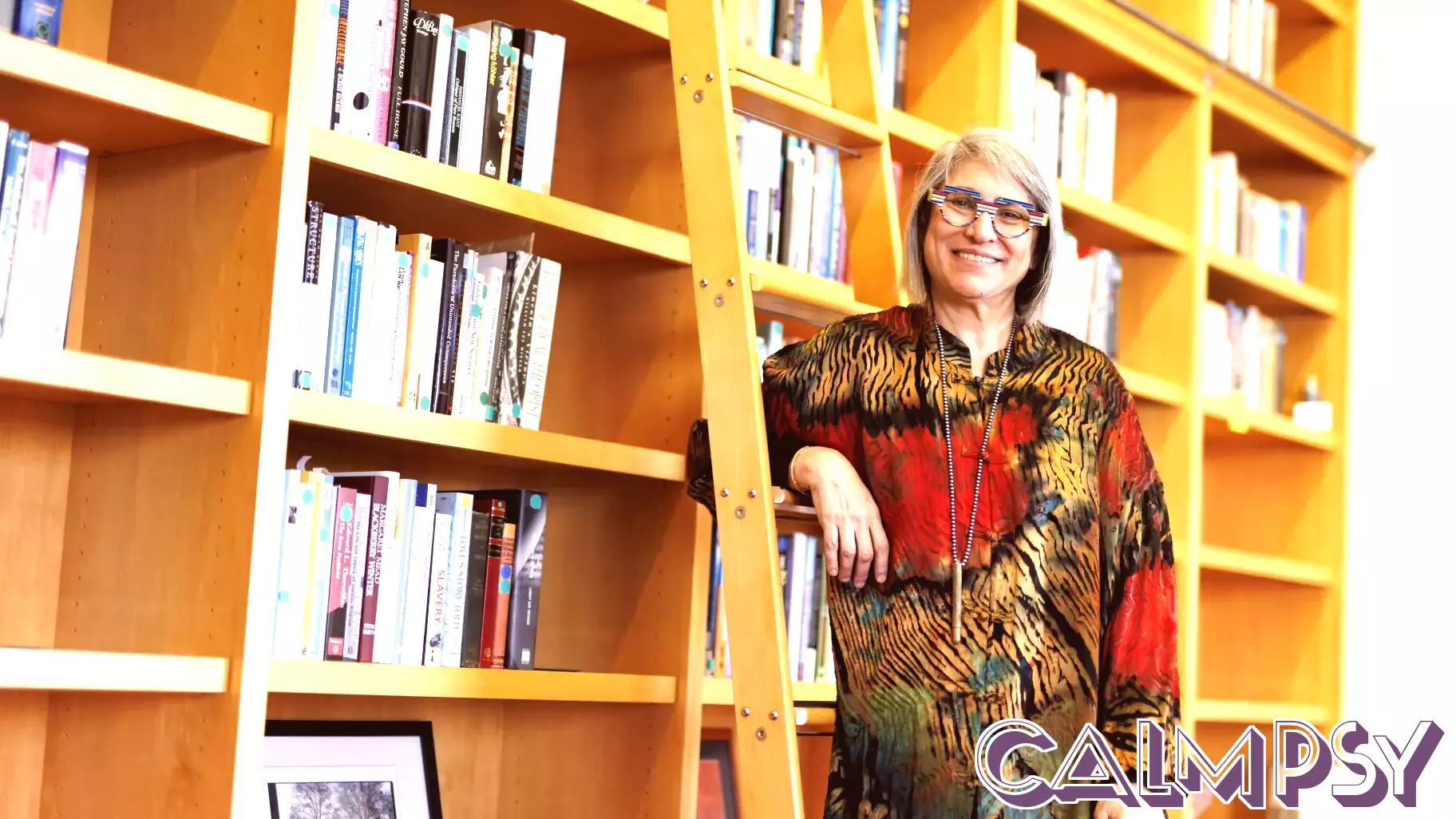
Mahzarin R. Banaji, the Richard Clarke Cabot Professor of Social Ethics in the Department of Psychology, received the esteemed BBVA Frontiers of Knowledge Award in Bilbao, Spain, this week. This recognition highlights her significant contributions to the field of psychology, particularly in understanding implicit bias and social cognition.
Banaji's research has profoundly influenced how we perceive and address biases in various societal contexts. Her work emphasizes the importance of recognizing unconscious attitudes that can affect decision-making and interpersonal interactions. By shedding light on these hidden biases, she has paved the way for more equitable practices in education, employment, and beyond.
The BBVA Frontiers of Knowledge Award celebrates innovative research that fosters a better understanding of the world. Banaji's achievements not only underscore her dedication to advancing psychological science but also her commitment to promoting social justice through her findings. This accolade is a testament to her lasting impact on both academia and society at large.
MORE NEWS

October 4, 2026 - 22:51
Why the Most Tender-Hearted People Go Completely Silent When You Hurt Them, According to PsychologyYou know that moment when someone you care about just disappears? Not physically, but emotionally. One second you were mid conversation, maybe mid argument, and now there is nothing. No yelling, no...
October 4, 2026 - 06:43
Why Some Children Restart Drawings Until They Look RightA child sits down with a sheet of paper and starts drawing. The first attempt does not look quite the way they imagined it. So they flip the page and begin again. Then again. To a parent watching...

October 3, 2026 - 20:42
Trump's 'stroke' pathways are now 'crossing the brain': psychologistA widely cited psychologist raised concerns on Friday evening about a series of unusual behaviors displayed by President Donald Trump. Dr. John Garrision pointed to what he described as strange and...

October 3, 2026 - 09:31
Psychology says children who turn household objects into toys may have stronger imaginations than parents realiseA banana held to the ear. A saucepan worn as a helmet. A cardboard box turned into a rocket ship. Children everywhere transform ordinary household objects into toys, and parents often brush it off...