Innovative Therapy Tackles PTSD in Opioid Use Disorder Treatment
August 2, 2025 - 00:08
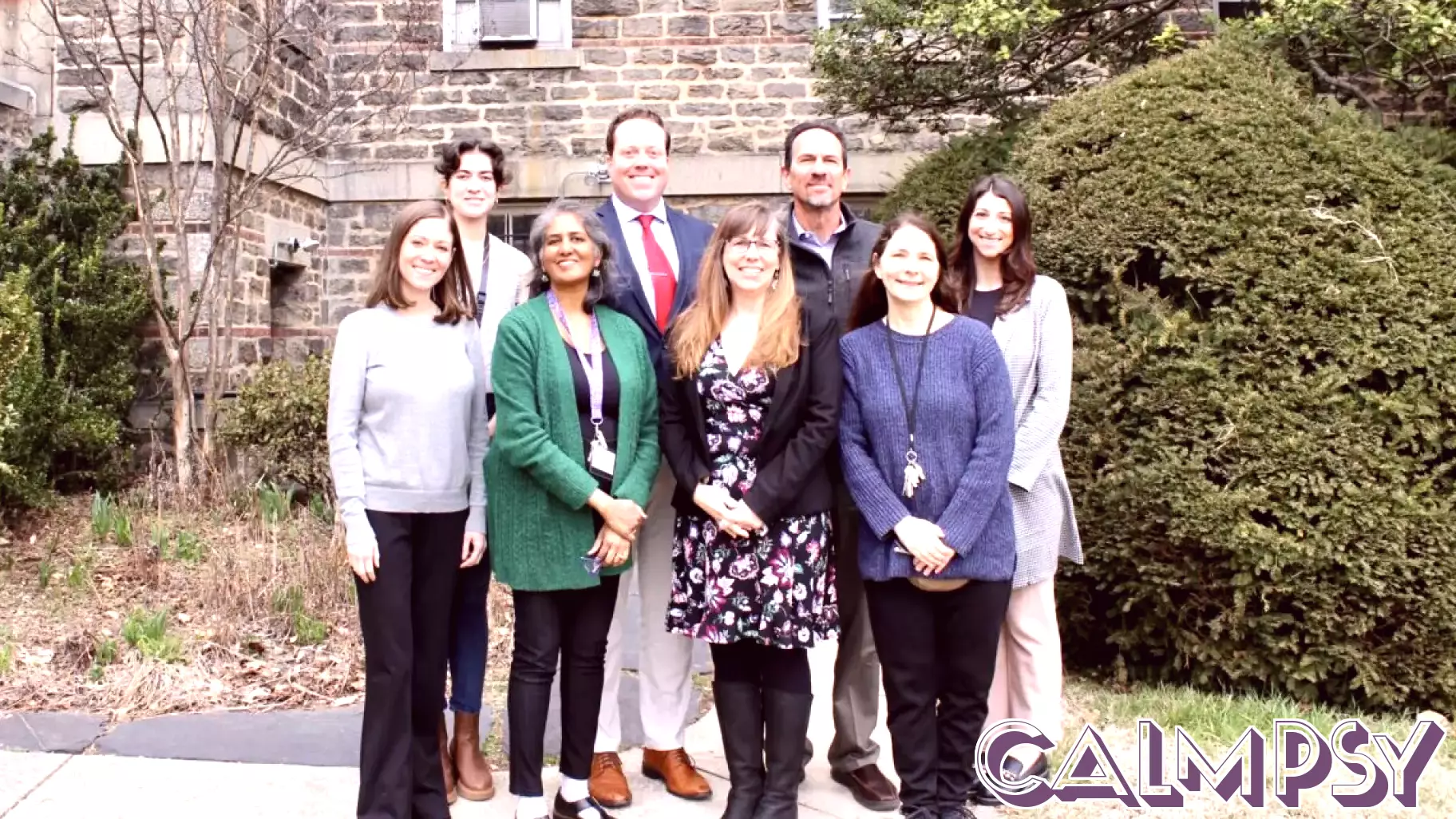
Rebecca Schacht and Kevin Wenzel are pioneering a randomized trial of Written Exposure Therapy (WET) aimed at individuals grappling with post-traumatic stress disorder (PTSD) within residential treatment settings for opioid use disorder (OUD) and substance use disorder (SUD). WET is a structured, evidence-based approach that assists patients in processing their trauma through a comprehensive narrative writing exercise. This therapy spans five sessions, during which participants delve into the details of a specific traumatic event.
The integration of WET into OUD treatment programs highlights a significant step forward in addressing the complex interplay between trauma and substance use. By equipping patients with tools to articulate and confront their traumatic experiences, the therapy not only aids in alleviating PTSD symptoms but also fosters a supportive environment that can enhance overall recovery outcomes. This innovative approach underscores the importance of addressing mental health issues alongside substance use disorders, paving the way for more holistic treatment methodologies in the future.
MORE NEWS

October 4, 2026 - 22:51
Why the Most Tender-Hearted People Go Completely Silent When You Hurt Them, According to PsychologyYou know that moment when someone you care about just disappears? Not physically, but emotionally. One second you were mid conversation, maybe mid argument, and now there is nothing. No yelling, no...
October 4, 2026 - 06:43
Why Some Children Restart Drawings Until They Look RightA child sits down with a sheet of paper and starts drawing. The first attempt does not look quite the way they imagined it. So they flip the page and begin again. Then again. To a parent watching...

October 3, 2026 - 20:42
Trump's 'stroke' pathways are now 'crossing the brain': psychologistA widely cited psychologist raised concerns on Friday evening about a series of unusual behaviors displayed by President Donald Trump. Dr. John Garrision pointed to what he described as strange and...
October 3, 2026 - 09:31
Psychology says children who turn household objects into toys may have stronger imaginations than parents realiseA banana held to the ear. A saucepan worn as a helmet. A cardboard box turned into a rocket ship. Children everywhere transform ordinary household objects into toys, and parents often brush it off...