IndyCar's Nolan Siegel Embraces Sports Psychology Ahead of 2025 Season
February 22, 2025 - 22:45
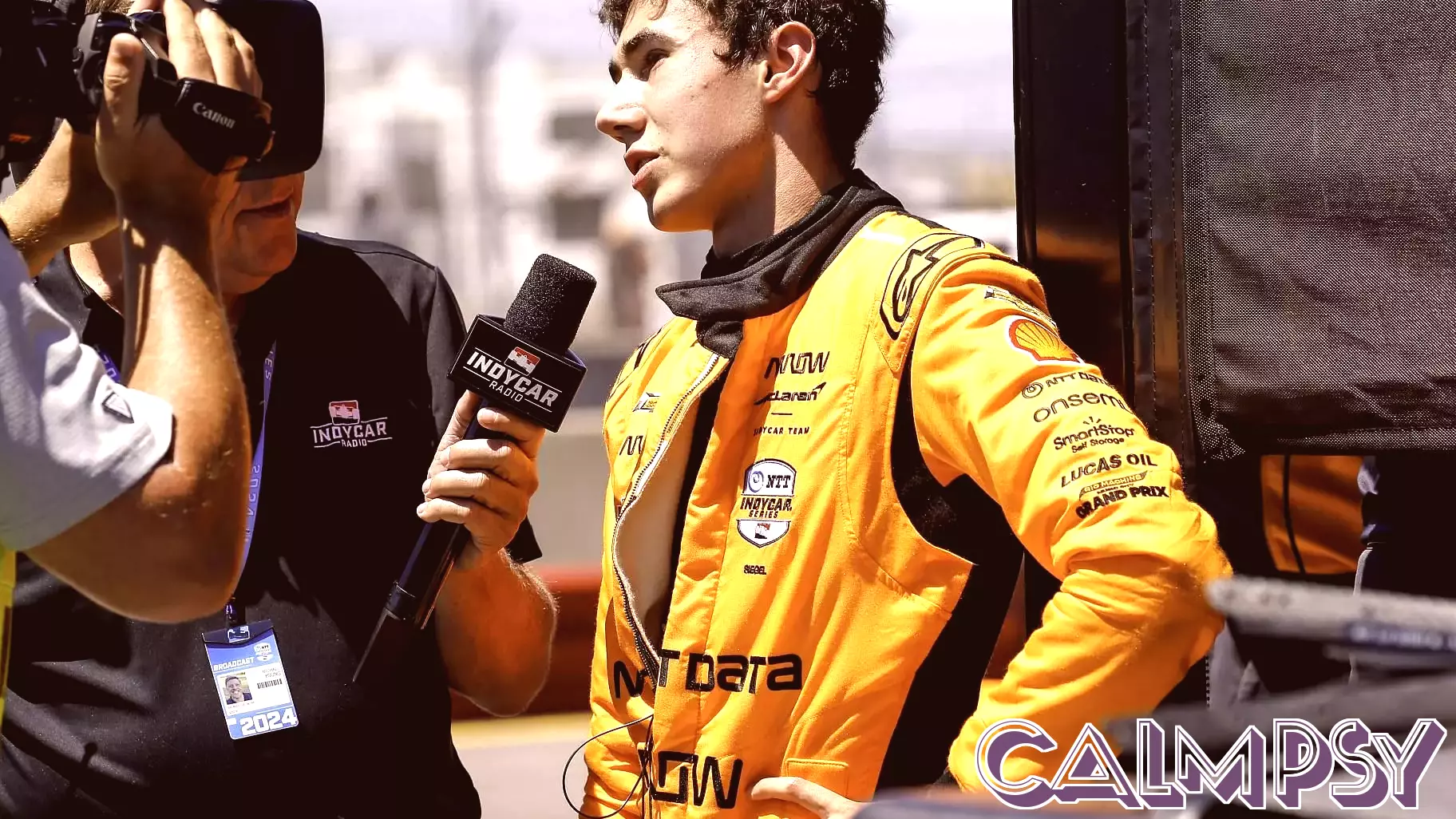
IndyCar driver Nolan Siegel has taken a significant step in his preparation for the upcoming 2025 season by engaging with sports psychology, a practice introduced to him by Arrow McLaren team principal Tony Kanaan. As the competitive landscape of IndyCar continues to intensify, Siegel recognizes the importance of mental resilience in navigating the pressures of the sport.
Kanaan, a veteran in the racing world, understands the challenges that come with public scrutiny and performance expectations. He believes that mental fortitude is just as crucial as physical training for drivers. By incorporating sports psychology into his routine, Siegel aims to develop strategies to combat the "outside negativity" that can affect an athlete's performance and mindset.
This proactive approach not only highlights Siegel's commitment to his craft but also underscores the growing recognition of mental health's role in sports. As he gears up for the new season, Siegel is poised to leverage these insights to enhance his performance on the track.
MORE NEWS

October 4, 2026 - 22:51
Why the Most Tender-Hearted People Go Completely Silent When You Hurt Them, According to PsychologyYou know that moment when someone you care about just disappears? Not physically, but emotionally. One second you were mid conversation, maybe mid argument, and now there is nothing. No yelling, no...
October 4, 2026 - 06:43
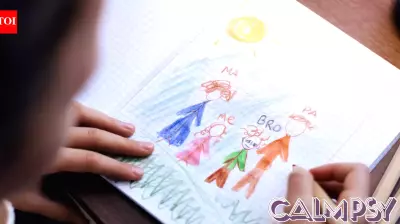
Why Some Children Restart Drawings Until They Look RightA child sits down with a sheet of paper and starts drawing. The first attempt does not look quite the way they imagined it. So they flip the page and begin again. Then again. To a parent watching...

October 3, 2026 - 20:42
Trump's 'stroke' pathways are now 'crossing the brain': psychologistA widely cited psychologist raised concerns on Friday evening about a series of unusual behaviors displayed by President Donald Trump. Dr. John Garrision pointed to what he described as strange and...
October 3, 2026 - 09:31
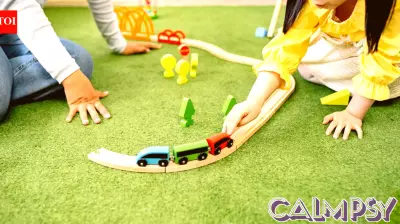
Psychology says children who turn household objects into toys may have stronger imaginations than parents realiseA banana held to the ear. A saucepan worn as a helmet. A cardboard box turned into a rocket ship. Children everywhere transform ordinary household objects into toys, and parents often brush it off...